Why Personalized Makeup Looks Better in Real Life and on Camera
Why Personalized Makeup Looks Better in Real Life and on Camera A customized makeup application begins with a refreshing idea: your face, personal style, and…

A customized makeup application begins with a refreshing idea: your face, personal style, and plans should shape the look, rather than whichever beauty trend happens to be filling your feed.
Makeup trends can be great sources of inspiration. Glazed skin, blurred lips, bold blush, and sculpted eyes have all earned their moments. Still, recreating a popular look exactly as it appears online does not always deliver the same result in person. Products behave differently across skin types, colors can shift with undertones, and techniques that photograph beautifully under studio lighting may feel heavy in daylight.
The most flattering makeup is rarely based on a rigid formula. It is built through thoughtful choices that consider the individual wearing it.
Finding the right foundation shade matters, but customization goes much further. A makeup artist may also consider skin texture, facial proportions, eye shape, coloring, comfort preferences, clothing, lighting, weather, and how long the finished look needs to last.
Even two people with similar complexions may need completely different applications. One might prefer a sheer, luminous base that allows freckles to show, while another may want fuller coverage around areas of redness. Neither approach is automatically better. The right choice is the one that supports the wearer’s goals without making the makeup feel disconnected from the person underneath it.
Dry, oily, combination, sensitive, and acne-prone skin do not respond identically to primers, foundations, or powders. A highly mattifying formula may exaggerate dry areas, while a rich luminous base can become overly shiny on oil-prone skin. Strategic preparation helps create a more even surface without piling on unnecessary layers.
Sensitivity deserves particular attention. The U.S. Food and Drug Administration’s guidance on cosmetic allergens explains that fragrances, preservatives, dyes, metals, and other ingredients can trigger reactions in some people. Anyone with known allergies should share them before products are selected.
If you are introducing a new product before an important event, avoid experimenting at the last minute. The American Academy of Dermatology recommends testing new skin products on a small area before using them more broadly. This is especially useful for people with a history of redness, itching, swelling, or contact dermatitis.
“Special-event makeup” is not one universal style. A daytime garden party, evening gala, professional portrait, and wedding reception create different demands.
Before choosing colors or coverage, it helps to answer a few practical questions:
These details guide decisions such as whether to use traditional or airbrush complexion products, where to place blush, how much eye definition is appropriate, and whether false lashes will enhance the result or feel like too much.
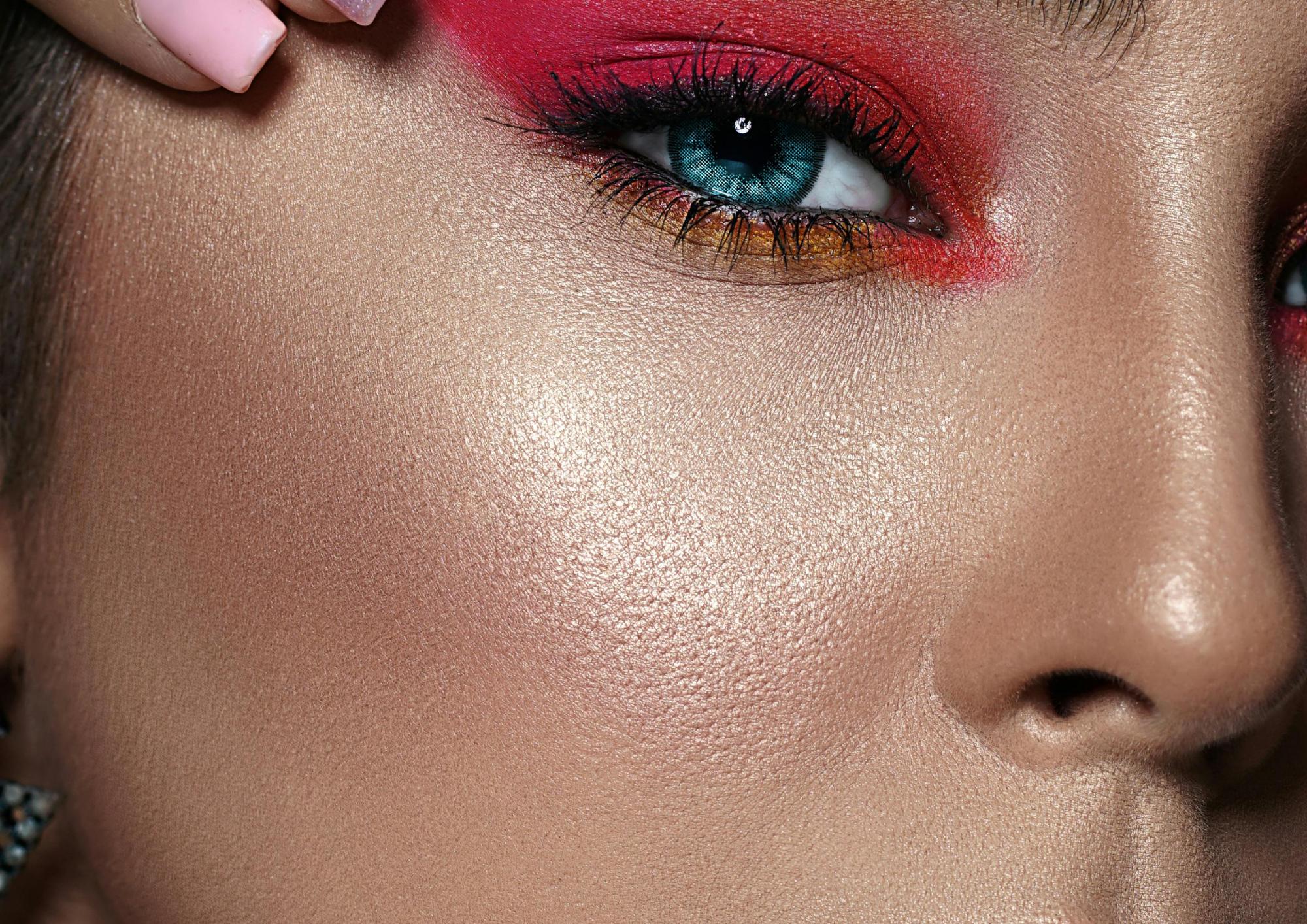
Cameras can soften color and reduce visible definition, which is why photographic makeup often uses slightly more contrast than an everyday routine. That does not mean every feature needs to become intense. Adding definition through the lash line, brows, cheeks, or lips can help the face remain expressive without creating a mask-like finish.
Outdoor events introduce another consideration: sun protection. The American Academy of Dermatology’s sunscreen guidance recommends broad-spectrum, water-resistant sunscreen with an SPF of 30 or higher. The EPA’s UV Index scale can also help people understand the day’s expected ultraviolet exposure.
Makeup containing SPF should not be treated as an automatic replacement for properly applied sunscreen. The Skin Cancer Foundation offers practical advice for combining sunscreen and makeup, including allowing sun protection to settle before applying complexion products.
A trend becomes more flattering when it is translated rather than copied. Consider a popular berry lip. On one person, a cool raspberry may brighten the complexion. On another, a warmer wine or brick-berry shade may create better harmony.
The same principle applies to blush, bronzer, eyeshadow, and highlighter. Undertone is useful, but it should not become a restrictive rule. Personal taste, hair color, clothing, and the desired amount of contrast matter too.
A skilled application may adjust a trend by changing:
This is why reference photos work best as conversation starters. They communicate mood and preferences, but they do not need to function as exact instructions.
Clean technique may not appear in the final photograph, but it is an essential part of professional makeup. Hands, tools, and products can all come into contact with delicate facial areas.
The Centers for Disease Control and Prevention explains why proper handwashing matters when reducing the spread of germs. In a makeup setting, good hygiene may include clean hands, sanitized tools, disposable applicators when appropriate, and avoiding direct double-dipping into products.
Eye products require particular care. The FDA’s eye cosmetic safety recommendations warn against sharing eye cosmetics and encourage the use of clean instruments. The American Academy of Ophthalmology also provides eye makeup safety advice, including guidance for people experiencing irritation or infection.
Clients can support a safer application by mentioning current eye irritation, cold sores, active skin reactions, or known ingredient sensitivities. It is better to adjust the plan than to conceal a condition that could be aggravated by cosmetic products.
Preparation does not need to involve a complicated new skin care routine. In fact, introducing strong exfoliants or unfamiliar treatments immediately before an event can create dryness or irritation.
Different services solve different needs. Traditional makeup can provide flexible coverage and texture options. Airbrush application may appeal to clients looking for a lightweight, even finish. Specialty makeup can introduce more sculpting, eye definition, or drama, while a private lesson focuses on techniques the client can recreate independently.
For Charleston readers comparing those possibilities, Gibson Hair & Makeup lists makeup application, airbrush application, lash application, specialty makeup by request, and one-on-one or two-person lessons. Reviewing service distinctions ahead of time makes it easier to select an option that fits the occasion and desired result.
Useful questions include:
Professional makeup does not have to transform someone into a completely different person. Often, its greatest strength is refinement: evening the complexion while preserving natural dimension, defining the eyes without overwhelming them, and choosing colors that make the wearer appear rested and expressive.
Trends will continue to change, and that is part of the fun. Personalized makeup allows people to enjoy those ideas without becoming controlled by them. The finished look can feel current, photograph well, withstand the occasion, and still look unmistakably like the person wearing it.