Hair Extensions in Greene: More Volume, Your Way
The best hair extensions in Greene, ME should do more than add inches—they should complement your natural texture, support your styling goals, and fit comfortably…

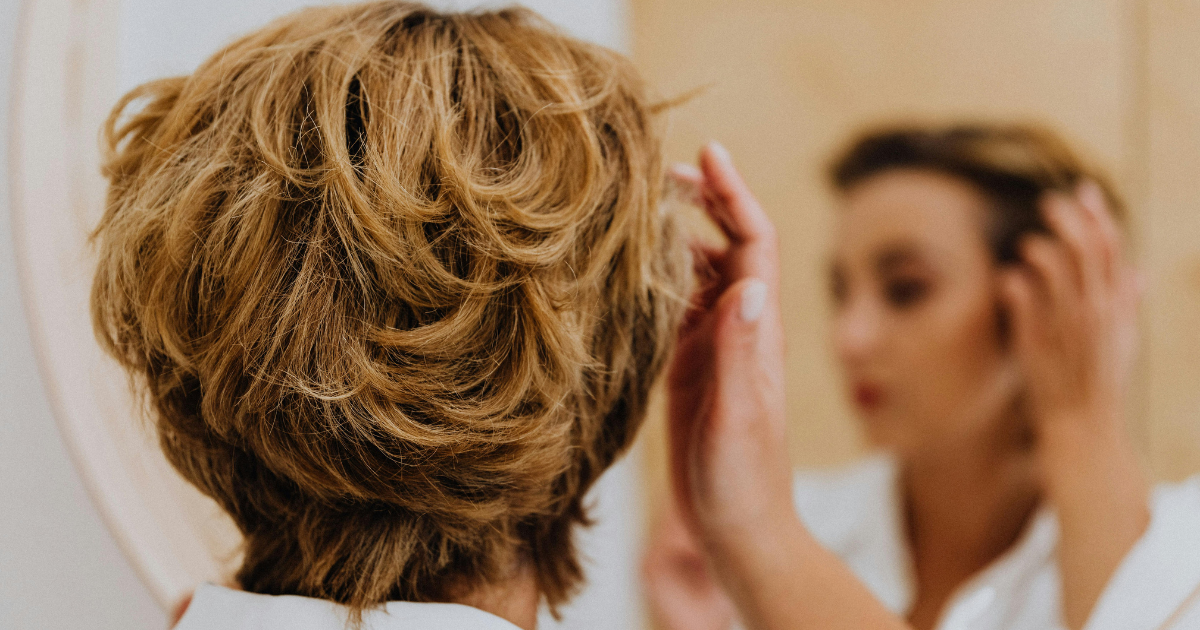
Professional blowouts in Nashville, TN can transform freshly washed hair into a polished style built around your texture, schedule, and personal aesthetic.
A great blowout is not limited to one smooth, high-volume look. It can be airy and romantic, glossy and straight, softly waved, or full of dramatic movement. Think of it as a wardrobe for your hair: different finishes suit different plans, and the right choice can make getting ready much easier.
The secret is knowing what to request. Rather than simply asking for “a blowout,” consider how you want the hair to move, where you prefer volume, and what the finished style needs to handle. A weekday meeting, outdoor celebration, dinner reservation, and formal event may each call for a different approach.
Blowouts sit in the sweet spot between everyday styling and special-event hair. They can look elevated without feeling overly formal, and the finish can be adapted to different lengths, densities, textures, and occasions.
The continued popularity of the service is easy to understand. Clients get to relax while a stylist handles the washing, product selection, sectioning, drying, and finishing work. Instead of coordinating a dryer and round brush at home, they leave with a complete look that can simplify the rest of their beauty routine.
Blowout culture has grown beyond preparation for major occasions. Totally Be’s look at why blowout bars are becoming more popular explores how professionally styled hair has become an accessible form of personal care. A blowout can be part of event preparation, but it can also be a confidence boost before an ordinary week.
The best blowout is not necessarily the biggest or sleekest option. It is the finish that works with your hair and the way you want to feel. Before the appointment, it helps to choose a general style direction.
This is the dependable favorite: smooth lengths, controlled ends, and enough lift to keep the hair from looking flat. It works well for professional settings, lunches, photographs, travel days, and any occasion when you want to look put together without appearing overly styled.
Ask for natural movement rather than rigid hold. The goal is hair that feels touchable and can transition from daytime plans to an evening out.
For a more glamorous finish, request noticeable root lift, rounded ends, and generous movement through the lengths. This style takes inspiration from the full-bodied blowouts associated with classic supermodel hair.
Volume is currently receiving renewed attention in beauty media. A recent Vogue blowout guide highlights how tool placement, root-lifting products, and allowing the shape to set can contribute to a bouncy result. In the salon, a stylist can adapt those principles to the client’s haircut and density rather than applying one method to everyone.
Soft waves create an effortless finish that works especially well for dinners, date nights, parties, and photographs. The movement is looser than traditional curls, giving the hair shape without making it feel too structured.
Bring a reference photo if you have a particular wave pattern in mind. “Beachy,” “brushed out,” and “soft Hollywood” can suggest very different results. A visual example helps the stylist understand the size, direction, and level of polish you prefer.
A sleek blowout focuses on a smooth surface, controlled volume, and a clean silhouette. It can be especially effective with sharp bobs, long layers, or outfits that already have a strong design element.
Sleek does not have to mean flat. A stylist can preserve subtle lift at the crown while keeping the lengths smooth. The balance creates shine and movement without unwanted puffiness.
A successful blowout begins with an honest conversation about texture, density, length, chemical history, and extensions. These details affect how the hair should be sectioned, dried, and finished.
Fine hair may need lightweight products and strategic root lift. Thick hair often requires additional time and careful sectioning so that every area dries evenly. Curly or coarse hair may need a smoothing-focused technique, while extension hair requires attention to attachment points and the recommended care routine.
This is why two appointments that produce a similar final look may involve different processes. Styling should respond to the person in the chair—not force every head of hair through the same routine.
Hair condition also matters. A scientific study examining hair-shaft damage associated with dryer temperature and distance found that drying conditions can affect the hair’s surface. The practical takeaway is not that all blow-drying must be avoided. It is that technique, distance, heat, and exposure time matter.
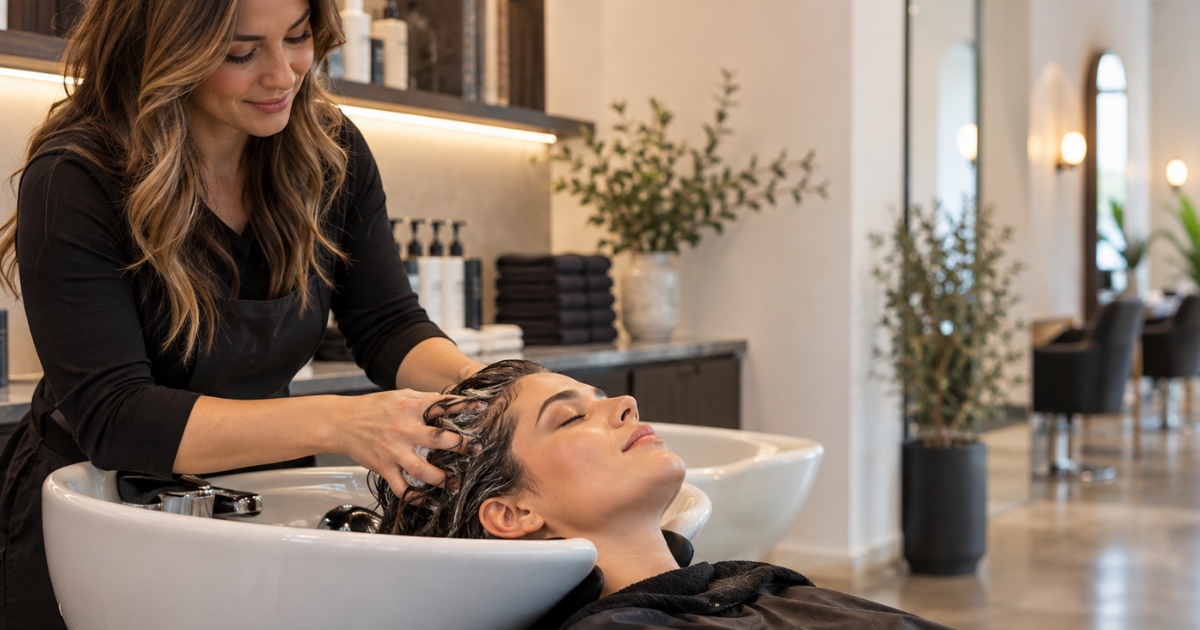
Although every salon has its own process, a blowout generally starts with a shampoo and conditioning step selected for the hair’s needs. The stylist may then apply products intended for heat protection, smoothing, volume, moisture balance, or hold.
Next, the hair is divided into manageable sections. Controlled sectioning helps the stylist create even tension and direct the shape with greater precision. Brush size and placement can influence whether the result is smooth, curved, lifted, or softly waved.
The final stage may include a cool-down period, light brushing, waves, flat-iron detailing, or finishing products. The objective is not to cover the hair in product. It is to use an appropriate amount so that the style has support while still looking natural.
Product choice can affect slip, shine, and manageability. A published review of silicones in hair care, for example, discusses their role in conditioning formulations and how different silicone types interact with hair. In practical salon terms, this helps explain why one smoothing or finishing product may suit a particular texture better than another.
Heat styling should be approached thoughtfully, particularly when hair is lightened, chemically treated, fragile, or already showing breakage. More heat is not automatically better. Skilled styling depends on control and efficiency rather than using the highest possible temperature.
The American Academy of Dermatology’s guidance on styling without damage advises limiting excessive heat and handling wet hair carefully. Its recommendations also note that the safest brushing approach can vary between straight and tightly curled or textured hair.
Additional dermatologist-recommended hair-care habits include using conditioner, avoiding aggressive towel rubbing, selecting lower heat settings, and reducing unnecessary pulling while styling. These principles support a gentler routine between salon visits.
Be open with your stylist about recent blonding, color changes, relaxers, keratin services, extensions, or breakage. That information helps the stylist make more appropriate choices about products, heat, and tension.
The word “blowout” can occasionally cause confusion because it is also used in the names of some chemical smoothing services. A traditional salon blowout is a temporary shampoo-and-style service performed with a dryer and styling tools. It does not permanently alter the hair’s internal structure.
Chemical smoothing treatments are a separate category with different ingredients, procedures, and safety considerations. The U.S. Food and Drug Administration explains potential formaldehyde exposure from certain hair-smoothing products and recommends asking salons about ingredients and reviewing product information. If the service name is unclear, ask the salon exactly what the appointment includes before booking.
Longevity depends on hair texture, activity, weather, and the chosen finish, but a few habits can help preserve the result:
Humidity can soften a sleek finish or change the shape of waves, so Nashville weather may influence which style is most practical. If outdoor plans are involved, tell the stylist. A flexible finish may wear more naturally than a highly precise style when the air is humid.
For anyone attempting a refresh at home, expert-led resources such as Allure’s blow-dry guides can offer useful technique ideas. Keep the process simple and avoid repeatedly applying high heat to sections that are already dry.
A short consultation can make the difference between a blowout that merely looks nice and one that genuinely suits you. Share the occasion, preferred amount of volume, usual part, desired finish, and any areas that tend to frizz or fall flat.
It is also helpful to mention what you dislike. If you do not want curled-under ends, stiff hairspray, extra height, or a perfectly straight finish, say so. Clear preferences give the stylist a better target.
Style House Salon offers classic and premium blowouts at its Nashville salon, along with options that incorporate waves or flat-iron finishing. Premium appointments are designed to provide additional attention for very thick hair, curly or coarse textures, and extensions. The salon also offers customized blowout styling for special occasions.
A blowout works best when it supports the rest of your day instead of competing with it. A soft, movable finish may be ideal for a busy weekend, while polished waves can complete an evening look. Sleek strands can sharpen a professional outfit, and full-bodied volume can make a celebration feel even more special.
The modern blowout is versatile, personal, and surprisingly practical. Once you understand the finish you want and communicate it clearly, the appointment becomes less about copying a trend and more about creating hair that fits your own style wardrobe.