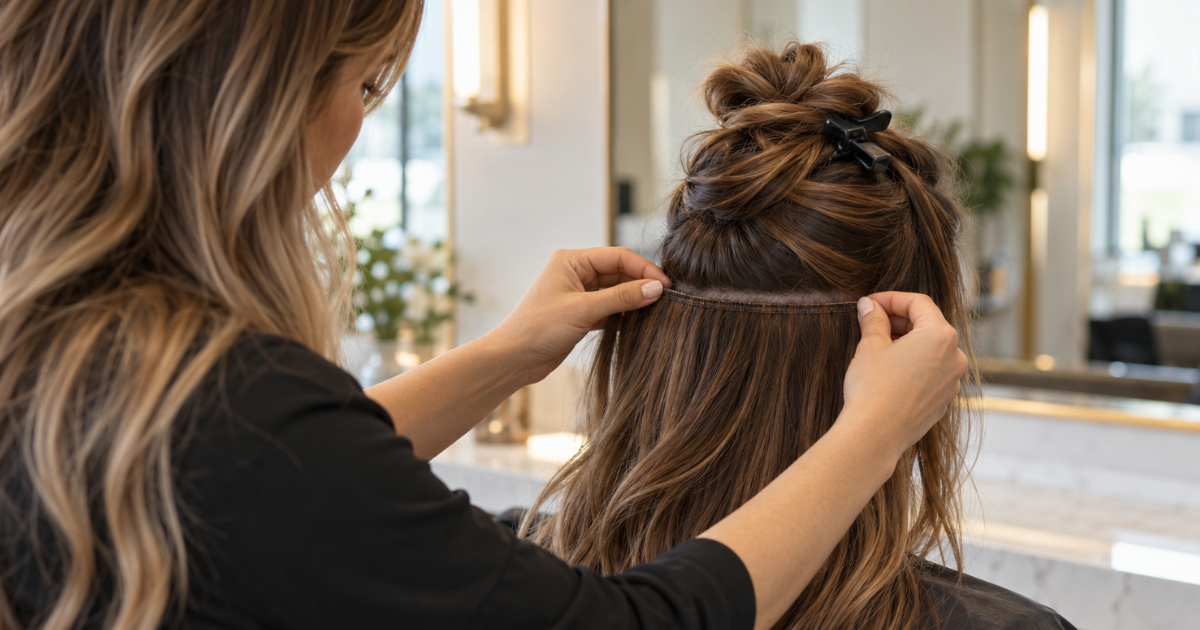
Hair Extensions in Greene: More Volume, Your Way
The best hair extensions in Greene, ME should do more than add inches—they should complement your natural texture, support your styling goals, and fit comfortably…

A trusted hair salon in Arvada, CO can help turn a passing beauty inspiration into a personalized look that works beyond the first day.
Hair trends move quickly. One month is all about glossy brunette shades, and the next is filled with airy layers, dimensional blondes, soft bangs, or dramatic length. Trying something new can be exciting, but the most successful transformations are not created by copying every detail from a photograph. They come from adapting an idea to the person who will actually wear it.
Your natural texture, current hair condition, morning routine, preferred products, and willingness to schedule maintenance all matter. When those details guide the plan, a new cut or color can feel fresh without becoming difficult to manage.
Inspiration photos are useful because they give a stylist a visual starting point. However, it helps to explain what you love about the image. Is it the movement, brightness, shape, softness, or overall mood?
Two people may save the same picture for completely different reasons. One may be drawn to the warm color, while the other likes the volume around the face. Identifying the most important feature allows the stylist to create a version that fits your hair instead of attempting an exact copy that may not translate well.
Before your consultation, consider a few practical questions:
Clear answers give your stylist more useful information than simply saying, “Do whatever you think looks good.” Creative freedom works best when it has thoughtful boundaries.
A haircut creates the foundation for almost every other part of a look. It influences movement, volume, styling time, and how the color is displayed. The right shape should complement the client’s features while also respecting natural texture and density.
For example, layers can create movement, but their placement should be adjusted for fine, thick, straight, wavy, or curly hair. Bangs can completely refresh a style, but they may require regular trims and daily attention. A shorter cut may reduce drying time, although some shapes still need styling to maintain their intended finish.
If you frequently wear a ponytail or bun, tell your stylist before the cut begins. The same applies if you air-dry your hair most days. These details affect decisions about length, face-framing sections, and weight distribution.
Healthy styling habits also support the haircut between appointments. The American Academy of Dermatology recommends choosing care routines based on hair type, applying shampoo primarily to the scalp, conditioning after washing, and handling wet hair gently.
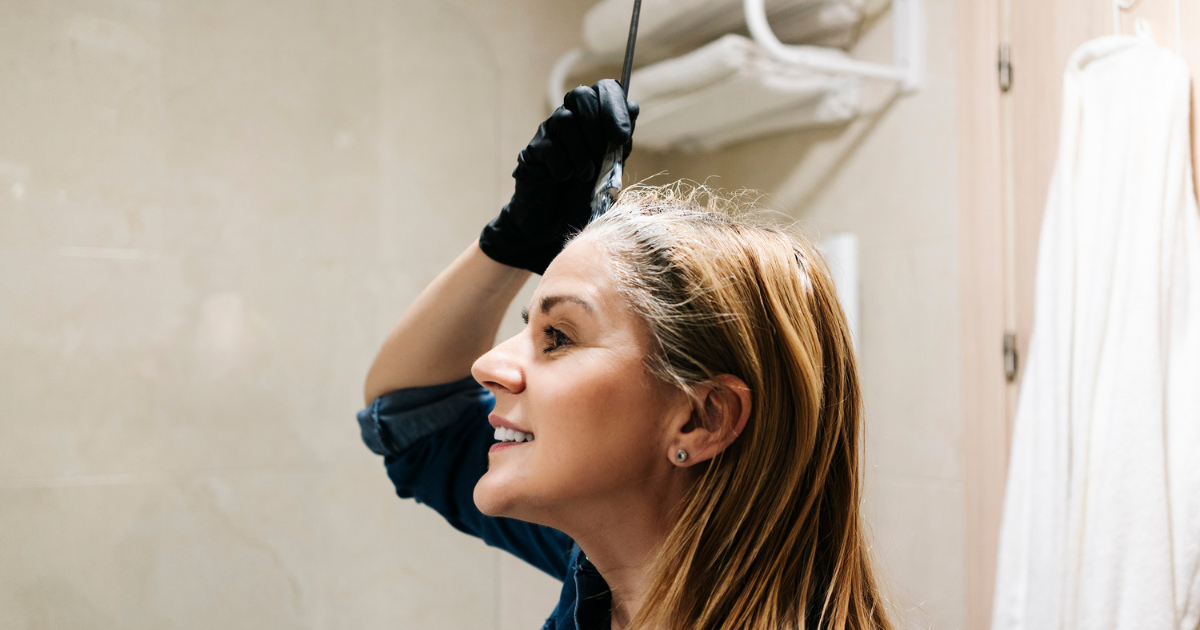
The best color is not always the most dramatic option. It is the one that creates the desired effect while fitting the client’s comfort level, hair history, and maintenance routine.
Someone who enjoys frequent salon visits may love a color that requires regular refinement. A person who prefers more time between appointments may be happier with blended highlights, dimensional color, or a softer transition near the roots. Neither approach is better; they simply serve different lifestyles.
A complete color consultation may include:
Large color changes may take more than one appointment, especially when maintaining the condition of the hair is a priority. The AAD notes that significant lightening can be more demanding on the hair and recommends taking steps to reduce dryness and brittleness after chemical services.
Clients should also mention previous reactions to hair color or known skin sensitivities. The U.S. Food and Drug Administration provides hair-dye safety guidance, including following product warnings and performing appropriate patch testing.
A treatment works best when it is selected for a reason. Hair that feels dry may need something different from hair affected by buildup, environmental exposure, chemical processing, or frequent heat styling.
Rather than choosing a treatment only because it is popular, ask what it is intended to address. Some services focus on softness and manageability, while others support strength, moisture balance, smoothness, or texture goals. A stylist can evaluate how the hair feels and behaves before recommending an appropriate option.
The science of hair products can be surprisingly complex. A published overview of hair cosmetics and conditioning ingredients explains how shampoos, conditioners, and related products interact with the hair shaft. In everyday terms, this means a product that works beautifully for one person may feel too heavy, too light, or simply unnecessary for another.
Treatments can improve how hair looks and feels, but they cannot permanently repair every form of damage. Sometimes the healthiest plan includes trimming compromised ends, reducing heat, or spacing out chemical services.
A trend becomes more wearable when it is edited. Instead of recreating every element, select the feature that will make the biggest difference.
A dramatic layered cut might become subtle face framing. A high-contrast blonde could become a softer dimensional highlight. A vivid fashion shade might appear as a hidden panel instead of an all-over color. Even a major transformation can be adjusted to suit workplace expectations, styling ability, and maintenance preferences.
For more ideas on personalizing popular looks, TotallyBe’s guide to making hair trends work in real life explores why customization is often the secret to wearing a trend confidently.
This approach does not make the result less fashionable. It makes the trend feel intentional and personal—which usually has more staying power than an exact imitation.
A great salon result should come with a realistic home-care plan. That does not necessarily mean filling the bathroom with products or creating a complicated morning routine. A few appropriate products used consistently can be more helpful than an overcrowded shelf.
Your routine may include:
Technique matters as much as product choice. Aggressive towel drying, excessive heat, tight hairstyles, and forceful detangling can contribute to breakage. The AAD identifies several common hair-care habits that may cause damage and recommends gentler drying, brushing, and styling practices.
It is also helpful to ask your stylist to demonstrate how to recreate the finish. Pay attention to the direction of the blow-dryer, the amount of product used, and the size of each section. Small adjustments can make home styling much easier.
Hair goals sometimes need to be adjusted when strands are fragile or the scalp is uncomfortable. Continuing with frequent lightening, high heat, or tightly pulled styles may make an existing concern harder to manage.
Watch for unusual breakage, persistent scalp tenderness, sudden shedding, or noticeable thinning. The AAD outlines several signs that may indicate hair loss rather than routine shedding. A licensed salon professional can help with cosmetic hair care, but unexplained scalp symptoms or hair loss should be evaluated by a qualified medical professional.
Postponing a dramatic service is not a failed appointment. A strategic trim, conditioning treatment, or gentler color plan can be a meaningful step toward the larger goal.
Hair changes over time. Seasons shift, routines become busier, texture evolves, and personal style takes new directions. A productive relationship with a stylist makes it easier to adjust the plan as those changes happen.
Salon Hether’s has provided hair services in Arvada since 1999. Its offerings include customized cuts and styling, color and highlights, hair extensions, hair treatments, waxing, and bridal hair and makeup. New guests can also use a virtual consultation and stylist-matching process to find a professional suited to their goals.
Consistency allows a stylist to understand how the hair responds to color, how quickly a cut grows out, and which recommendations are practical for the client. That history can make future appointments more focused and help transformations unfold at a responsible pace.
A fresh hairstyle can change the way someone feels walking into a room, but it should not require pretending to be a different person. The strongest salon results balance creativity with comfort, maintenance, and healthy hair-care habits.
Bring the inspiration photo. Ask about the exciting color. Consider the layers, extensions, or special-event style. Then work with a professional to shape the idea around your own hair and everyday life. Trends may start the conversation, but personalization is what makes a look worth keeping.