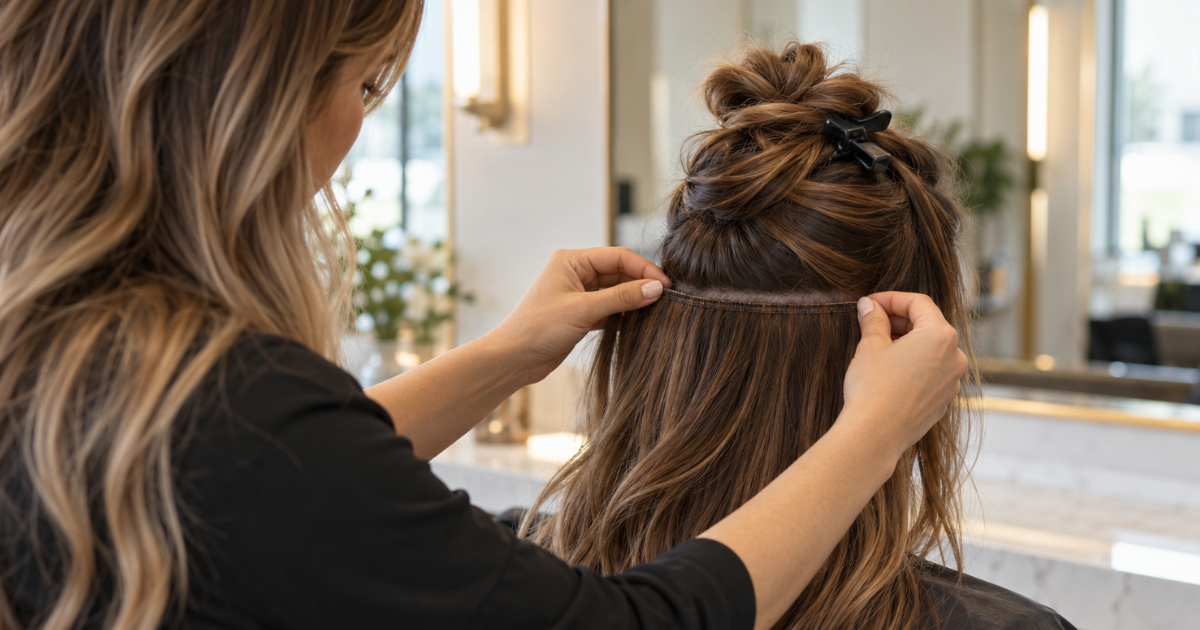
Hair Extensions in Greene: More Volume, Your Way
The best hair extensions in Greene, ME should do more than add inches—they should complement your natural texture, support your styling goals, and fit comfortably…

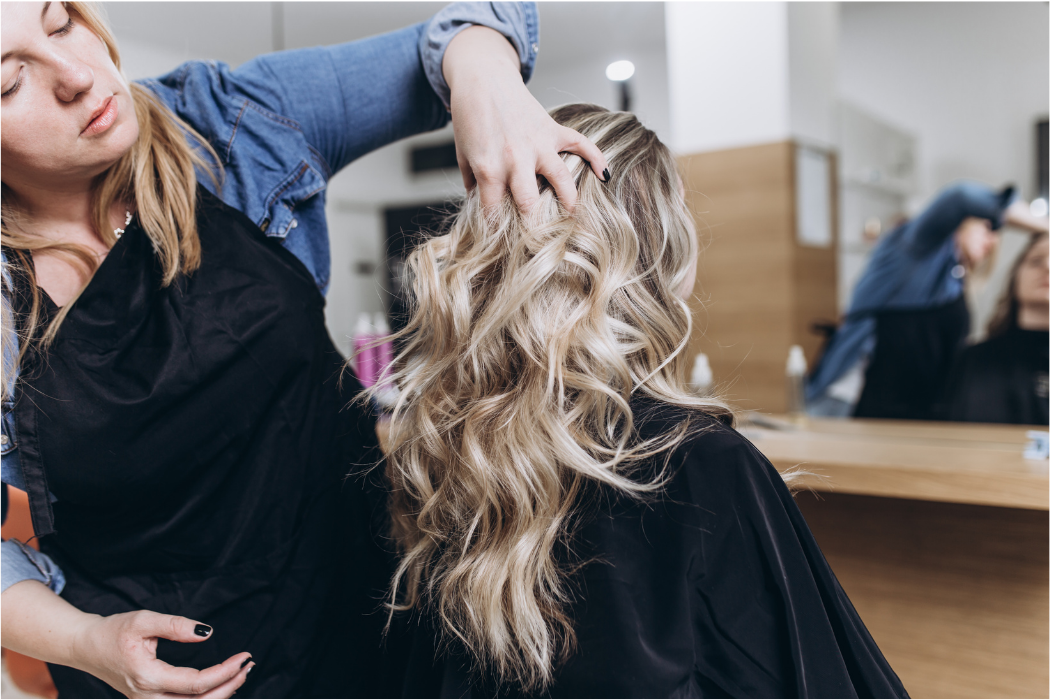
Personalized haircuts and styling should look beautiful when you leave the salon, but the real test comes a few mornings later when you are working with your own hands, tools, and schedule.
It is easy to fall for a flawless reveal photo. The lighting is good, every section has been polished, and not a single strand has encountered a humid parking lot. Yet a truly successful haircut is less about recreating one perfect image and more about building a shape that behaves well in real life.
Hair trends are useful because they give us a visual vocabulary. A bob can be blunt, graduated, airy, tucked, rounded, or heavily textured. Layers can create movement, remove weight, frame the face, or all three. The trend name is only the beginning of the conversation.
Vogue’s overview of 2026 hair trends points toward polished looks, enhanced natural texture, movement, and personal details. That emphasis on individuality is refreshing because two people can request the same general cut and need very different versions of it.
When saving inspiration, look past the overall vibe and identify the specific details you like:
A stylist can translate those details into a cut rather than copying a photograph strand for strand.
Your face shape matters, but it is only one piece of the puzzle. Your morning routine may matter more. A haircut that requires a round-brush blowout, flat iron, and three products is not low maintenance for someone who normally air-dries and leaves the house in ten minutes.
Be honest about how often you wash your hair, whether you heat-style, what you can comfortably do at home, and how frequently you want to return for reshaping. Mention practical habits, too. Wearing a headset, helmet, ponytail, or bun most days can affect where layers and shorter pieces should fall.
Inspiration photos help, but your own photo library may be even more revealing. Show your stylist a day when your hair felt great and a day when it refused to cooperate. Explain whether the issue was flatness, bulk, frizz, a stubborn flip, or pieces that would not stay tied back.
Hair texture is not a minor finishing detail. It changes how length contracts, how weight is distributed, how the perimeter reads, and how a shape responds to humidity or brushing. A scientific review of curly-hair biology and structure describes curl as a complex physical characteristic influenced by the shape and behavior of the fiber.
Many people also have more than one pattern on the same head. The underneath may form strong waves while the crown sits straighter. Fine curls may need enough layering to move without losing too much visual density. Thick, straight hair may need internal weight removal while keeping the outside line intact.
The American Academy of Dermatology’s healthy-hair guidance encourages people to choose routines and products for their hair type. Its specific guidance for Black hair also notes the importance of moisture, gentle handling, heat protection, and avoiding painfully tight styles. Personalization should respect these differences instead of treating every head of hair as identical material.
Before committing to a new shape, decide what you are willing to spend in daily styling time and future salon visits. Bangs can make a dramatic difference, but they may require frequent trims and a few minutes of attention every morning. A very precise short cut may feel wonderfully simple day to day while needing regular reshaping to retain its silhouette.
Ask your stylist what the cut will look like after four, eight, and twelve weeks. A useful maintenance conversation should cover:
There is no universally “easy” haircut. Low maintenance means compatible with your routine.
A salon blowout can reveal the precision and movement of a cut, but you should also understand how the shape works in your usual texture. If you alternate between natural waves and a smooth finish, say so before cutting begins.
Use the finishing portion of the service as a mini lesson. Ask how wet the hair should be before product goes on, where the product belongs, which direction to dry the fringe, and what one technique creates the biggest improvement.
More heat is not automatically better. The AAD’s advice on hair-care habits that can cause damage recommends reducing exposure to hot tools, using lower settings, handling wet hair appropriately for its texture, and avoiding repeated pulling or tugging. A smart styling plan gets the result with the least unnecessary stress.
Bathroom shelves have a way of turning into product graveyards. Instead of buying everything used during the finish, ask which product does the most important job for your specific cut.
A compact routine might include one preparation product, one styling product, and one finishing product. The exact trio depends on whether the goal is moisture, volume, definition, smoothness, hold, or heat protection. Fine hair may be overwhelmed by a rich cream that works beautifully on coarse curls, while a light spray may not give dry, dense hair enough control.
Read the directions and warnings rather than relying only on the front label. The U.S. Food and Drug Administration’s cosmetics labeling guide explains the labeling framework for cosmetic products, including ingredient declarations and required information. If a product irritates your scalp or skin, stop using it and seek appropriate medical advice.
Strategic shaping can make hair look fuller, reduce excess bulk, and improve movement. It cannot diagnose or treat unexplained shedding, bald patches, scalp inflammation, or a rapidly widening part.
The AAD’s guide to signs and symptoms of hair loss describes gradual and sudden patterns that may warrant professional evaluation. Tell your stylist about relevant concerns, but take medical questions to a board-certified dermatologist or another qualified healthcare professional.
A beautiful portfolio shows aesthetic ability, but it does not tell you everything about communication or experience with hair like yours. Look for examples with a similar texture, density, length, or styling goal. During the consultation, notice whether the stylist asks questions, explains tradeoffs, and offers a plan you can repeat at home.
California consumers can also use the Board of Barbering and Cosmetology to learn about industry regulation and access license-verification resources. Licensing is a baseline. The right personal match also involves training, relevant experience, listening skills, and a shared understanding of the desired result.
Vault Salon serves guests at its Stanford Ranch location in Rocklin and Pleasant Grove location in Roseville. Its published haircut menu includes Blow Dry & Style, Essential Haircut, and a longer Extended Haircut designed to provide additional time for thick or long hair.
The salon describes its process as consultation-led, with the cut shaped around the guest’s features, lifestyle, and goals. It also offers a stylist-matching survey, which can be useful when the team includes professionals with different strengths and experience levels.
That structure reflects an important truth: personalization is not a mysterious extra. It is the process of matching technique, service time, stylist expertise, and home maintenance to the person in the chair.
You do not need salon vocabulary to communicate well. Try completing these statements:
A great haircut should feel exciting on reveal day and intuitive long after it. Trends can start the idea, but honest conversation makes the look yours. When the shape works with your texture, routine, and level of commitment, good hair stops feeling like a special-event project and becomes part of everyday life.