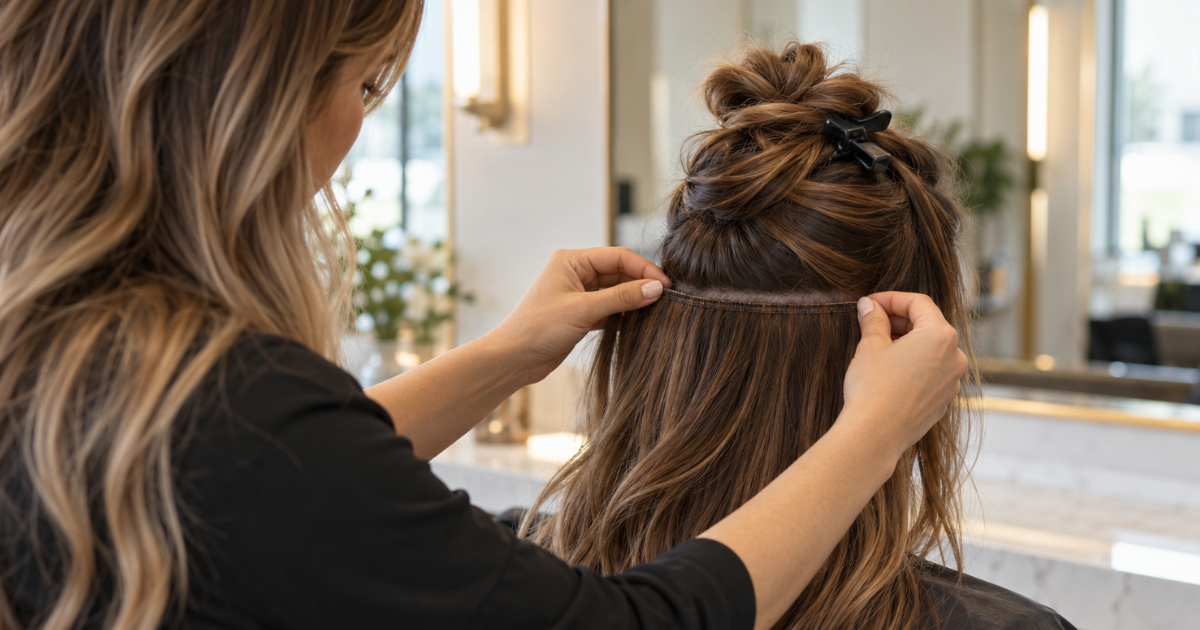
Hair Extensions in Greene: More Volume, Your Way
The best hair extensions in Greene, ME should do more than add inches—they should complement your natural texture, support your styling goals, and fit comfortably…

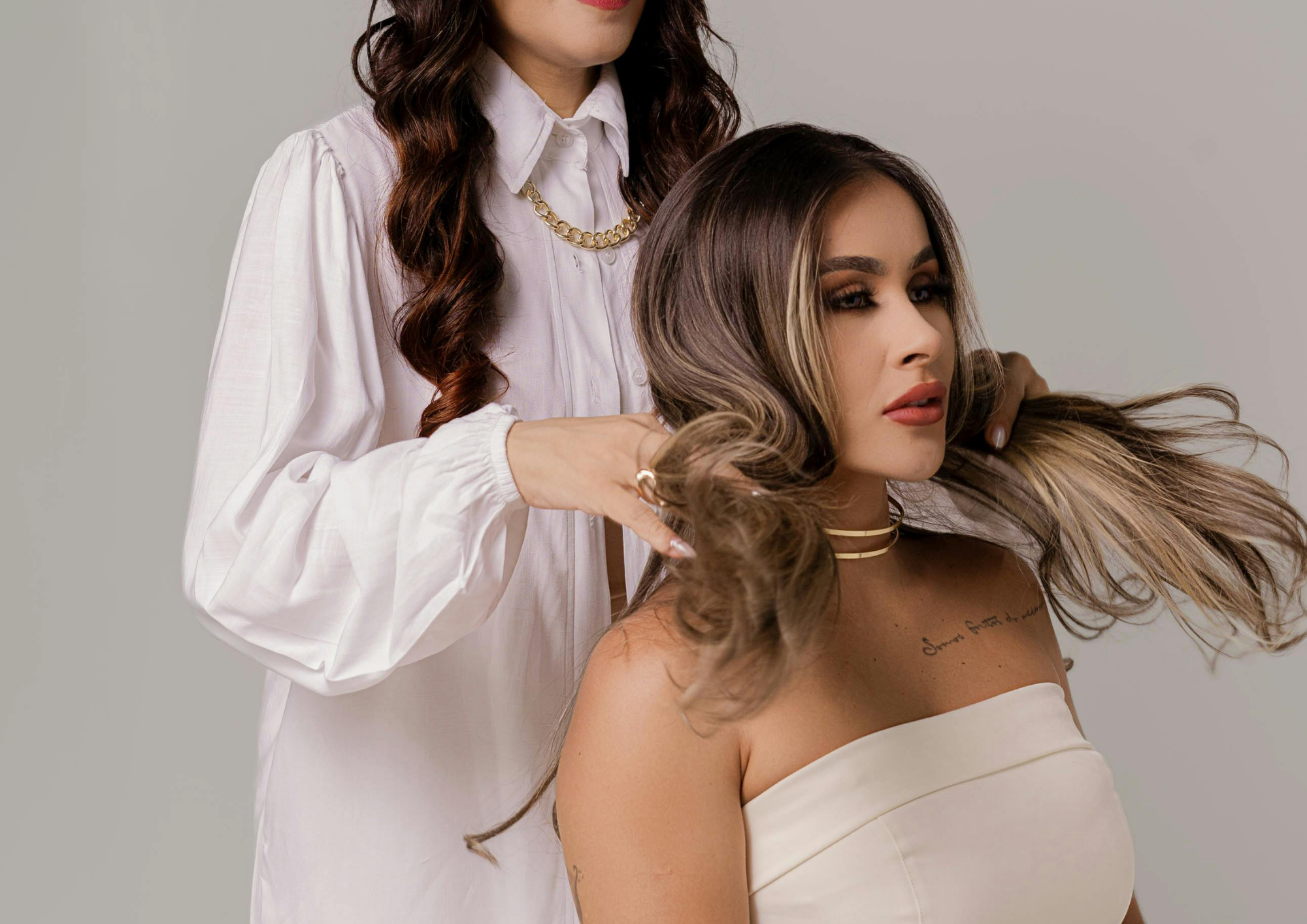
Precision haircut services are becoming the foundation of one of beauty’s most practical trends: hair that looks polished without advertising how much effort went into it. Think clean outlines, intentional movement, balanced volume, and a shape that still makes sense after the salon finish has been washed away.
This is the haircut version of quiet luxury. It is less about copying a dramatic social media look and more about investing in details that improve how hair behaves every day. When the shape is right, styling can become faster, softer, and far less dependent on a cabinet full of products.
Precision does not mean every haircut must be blunt, geometric, or perfectly symmetrical. It means each technical choice has a purpose.
A stylist may adjust the haircut to control:
A soft shag, cropped cut, textured bob, long layered shape, and classic barber cut can all involve precision. The common factor is intention, not a particular aesthetic.
The most useful haircut conversation goes beyond “How much are we taking off?” Length is only one variable. A stylist also needs to understand what the client likes, what has caused frustration in the past, and how the hair is managed outside the salon.
If you normally air-dry, say so. If you use a flat iron every morning, mention that too. A haircut designed for a round-brush blowout may behave differently when left to dry naturally.
Useful details include:
One photograph can create tunnel vision. A small group of references makes it easier to identify the shared features you actually like, such as airy ends, fuller sides, shorter framing pieces, or a strong perimeter.
It is equally helpful to bring an image of what you do not want. Just explain which detail feels wrong so the stylist does not have to guess.
Two people can have the same curl pattern and require completely different cuts. Density, strand diameter, porosity, growth direction, and previous chemical services all affect the final result.
Someone with fine strands and high density may need selective weight removal without sacrificing the strength of the outline. Someone with coarse strands and lower density may want to preserve fullness. Curly hair may contain several patterns on one head, each responding differently to length and layering.
The American Academy of Dermatology’s healthy hair tips encourage people to learn their hair type and choose care practices accordingly. That advice applies to haircut planning too. A personalized cut should respect what the hair naturally does instead of requiring constant correction.
“Low-maintenance” is one of the most requested beauty terms, but it does not have one universal meaning.
For one person, low-maintenance means air-drying with curl cream. For another, it means a smooth blowout that lasts several days. A short cut may take only minutes to style but require frequent trimming. Long layers may grow out softly but take longer to dry.
Before choosing a shape, consider four types of maintenance:
The easiest haircut is the one whose maintenance pattern matches your actual preferences.
A shape that supports natural movement can reduce the urge to restyle every section. That does not make heat tools forbidden. It simply means they can become optional tools instead of daily rescue equipment.
The American Academy of Dermatology’s guide to styling without damage recommends limiting excessive heat, allowing hair to partially air-dry, and adjusting wet-hair handling according to texture.
Blow-drying technique matters as well. Research indexed by the National Library of Medicine found more surface damage at higher temperatures and shorter dryer distances. In the study, continuous movement at a greater distance caused less damage than holding the dryer close to one area.
For gentler styling:
Fringes and face-framing layers can completely change a haircut, which is exactly why they deserve more discussion than a quick decision at the end.
Growth patterns near the forehead, natural parting, shrinkage, glasses, and skin oil can all affect how shorter pieces behave. A client who needs to secure all hair for work may prefer longer framing sections. Someone who enjoys styling bangs every morning may happily choose a shorter, more defined shape.
Ask the stylist to show where the shortest piece will sit when the hair is dry. For wavy, curly, or coily hair, discuss how shrinkage may change that position.
Butterfly layers, bobs, curtain bangs, pixies, shags, and polished blowouts will continue cycling through beauty feeds. The smartest approach is to borrow the element that suits you instead of adopting an entire trend without modification.
You might choose:
This creates something more personal than trend replication. It also reduces the likelihood of needing an immediate correction when the style meets real life.
A precise haircut should not require six new products unless each one solves a clear problem. Before buying anything, ask what role it plays.
Start with the smallest routine that can recreate the desired effect. Product layering can always be expanded later.
Persistent dryness may need more than another styling cream. MedlinePlus notes that excessive washing, blow-drying, climate, and certain health-related factors can contribute to dry hair. Unexplained breakage, hair loss, or changes that do not improve with gentler care may warrant evaluation by a healthcare professional.
Beautiful results matter, but so do training, licensing, sanitation, and continuing education. Washington regulates cosmetology as a licensed profession, and consumers can review information through the Washington State Department of Licensing.
Clean hands, tools, capes, towels, and workstations also belong in the salon experience. The Centers for Disease Control and Prevention identifies hand hygiene as a straightforward way to help reduce the spread of germs in workplaces.
Clients should feel comfortable asking how tools are cleaned and how the stylist stays current with evolving techniques. Precision is built through education and consistent habits, not just natural talent.
Beauty clients increasingly care about what happens to salon waste after a service. Hair clippings, packaging, foils, product containers, and other materials create operational challenges that are not visible in the finished haircut.
The U.S. Environmental Protection Agency places reducing and reusing ahead of recycling in its waste-management guidance. For salons, responsible practices may include thoughtful purchasing, refill or reuse systems where appropriate, and partnerships that divert eligible materials from disposal.
Sustainability claims should always be specific enough to understand. Clients can ask which materials are collected, who processes them, and how the program works.
A confident stylist should be able to answer these questions in practical language and adjust the plan when your lifestyle requires it.
22 Changes Salon and Spa describes its Vancouver, Washington haircut services as focused on precision, individuality, continuing education, and current techniques. Its menu includes haircut and style services, barber cuts, bang trims, beard and neck trims, special-occasion styling, and wash-and-blowout services.
The salon also identifies itself as a SalonCycle partner and highlights vegan and eco-conscious products. Those details fit a broader shift in beauty culture toward services that consider personal style, practical upkeep, professional education, and environmental responsibility together.
A great haircut should not feel mysterious once you leave the salon. You should know where the shape comes from, which styling step matters most, and how to create a simpler version on busy days.
That is what makes precision cutting feel current. It is not perfection for perfection’s sake. It is thoughtful design that respects texture, features, routine, and personal taste. When those elements align, hair can look intentional without becoming a full-time project, and that may be the most useful beauty trend of all.