Hair Extensions in Greene: More Volume, Your Way
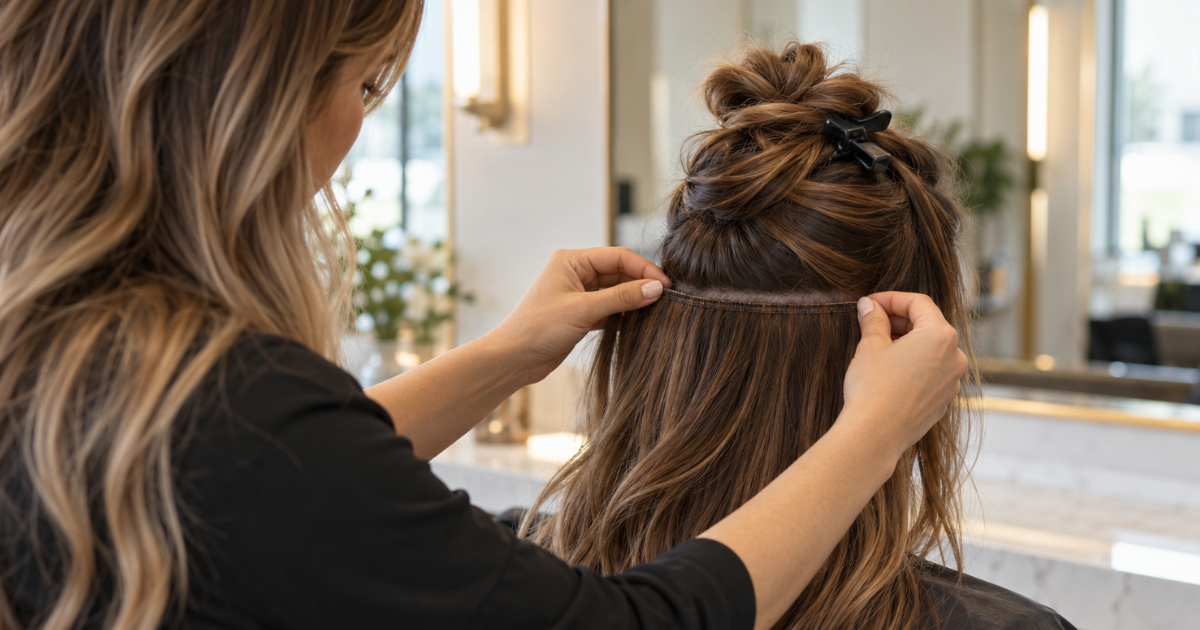
The best hair extensions in Greene, ME should do more than add inches—they should complement your natural texture, support your styling goals, and fit comfortably…

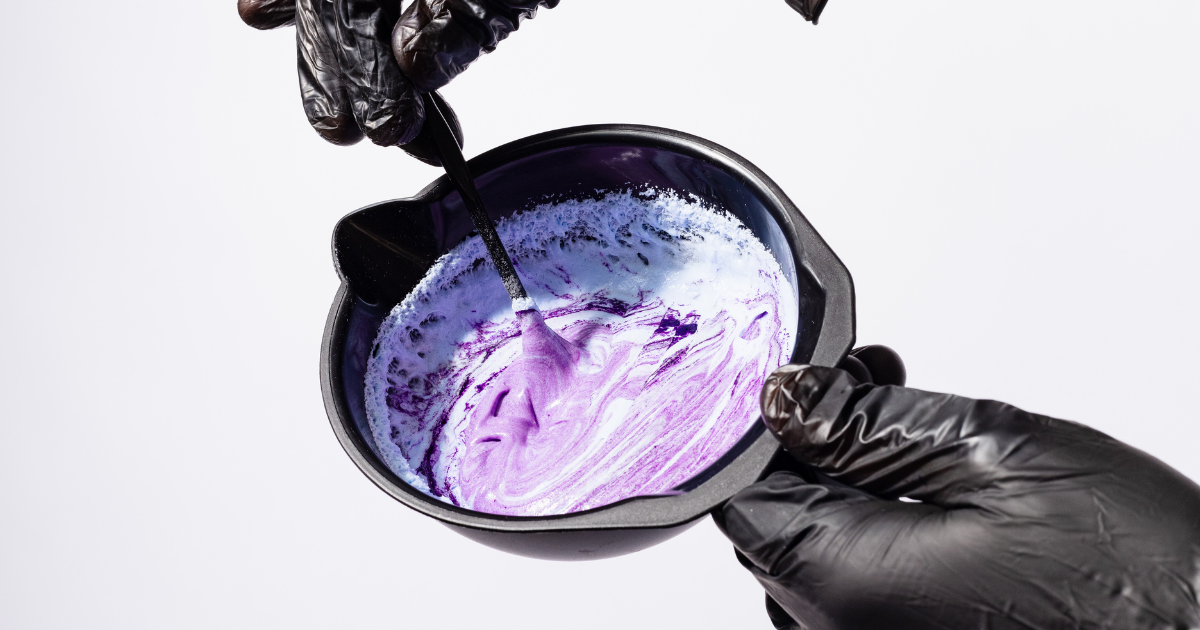
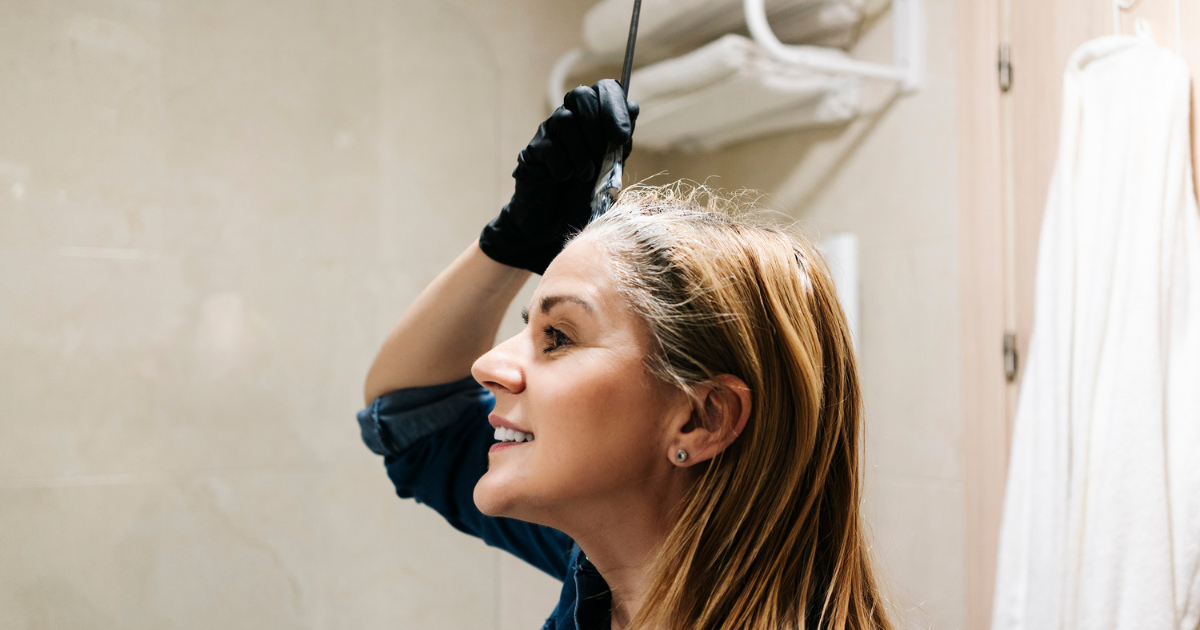
Hair color in St. Petersburg, FL can be customized far beyond choosing a lighter or darker shade, with options such as highlights, lowlights, balayage, ombré, glosses, and corrective color creating distinctly different results.
The best color appointment starts with understanding what each technique actually does. A photo may capture the overall mood you love, but the path to that result depends on your starting color, hair history, texture, condition, maintenance preferences, and daily styling routine.
That is why two people who bring the same inspiration photo may receive different recommendations. One may need subtle highlights and a gloss, while another may require several carefully planned sessions. Knowing the basic differences between popular services makes it much easier to discuss your goals with a stylist and choose a look you can realistically maintain.
Hair-color terminology can be confusing because social media often uses technique names interchangeably. Instead of walking into a consultation with only a trend label, describe what you want the finished color to look and feel like.
Useful details include:
Photos are still helpful, but bring more than one if possible. Point out the specific features you like in each image. You may love the brightness in one photo, the root blend in another, and the tone in a third. This gives the stylist clearer information than simply asking for “the same balayage.”
Single-process color generally involves applying one formula to create a more consistent result. It may be used to deepen the natural shade, adjust the tone, or provide gray coverage. This option can create rich, glossy color without the placement pattern associated with highlights.
A color touch-up focuses primarily on new growth. It is commonly selected by clients who maintain an established all-over shade or regular gray coverage. Applying permanent color to every inch during each appointment is not always necessary, so a stylist may refresh the lengths differently to avoid excessive processing.
This approach works well for people who enjoy an even color and do not mind returning as their roots become visible. The maintenance schedule depends on the contrast between the chosen shade and natural regrowth.
Highlights lighten selected sections rather than changing all of the hair. Their placement can create brightness around the face, movement through the interior, or contrast between lighter and darker pieces.
A partial highlight usually concentrates lightness around the face, crown, and visible upper sections. It can refresh existing dimension or create a subtle change without lightening the entire head.
This option may suit someone who wants:
A full highlight distributes lightened sections throughout more of the hair, including underneath and around the back. The result can look brighter when the hair is worn down, pulled up, or moved from side to side.
Full highlights do not have to create dramatic stripes. The stylist can adjust section size, spacing, placement, and tone to produce anything from soft dimension to a brighter blonde effect.
Lowlights introduce darker pieces into the hair. They can restore contrast when previously lightened hair begins to look too uniform or add richness to a color that feels flat.
Adding depth can make lighter sections appear brighter without bleaching additional hair. Lowlights are also useful when transitioning from a very light shade toward a more dimensional or natural-looking result.
The goal is usually not to make the entire head dark. Thoughtful placement creates shadows that give the overall color more movement and visual depth.
Balayage describes a customized approach to placing lighter pieces, often with an emphasis on a softer transition near the roots. It is popular among clients who want dimension with a less obvious line of regrowth.
The finished appearance can range from sun-kissed brunette to bright blonde. The word “balayage” alone does not specify how light, warm, cool, subtle, or bold the result will be. Those details should be established during the consultation.
Balayage is frequently described as low maintenance, but that does not mean maintenance-free. Gloss appointments, conditioning care, and occasional brightening sessions may still be needed to preserve the intended tone and contrast.
Ombré typically creates a visible transition from deeper roots or mid-lengths to lighter ends. Compared with many balayage looks, the shift between shades may be more deliberate and concentrated.
This style can be soft and wearable or dramatic and high contrast. Hair length, density, and previous color influence how smoothly the gradient can be created. Longer hair usually offers more space for the shades to transition, although an experienced stylist can adapt the idea for different lengths.
Because the ends often receive the greatest amount of lightening, their condition matters. Hair that is already fragile may require a more conservative plan or strengthening treatments before additional lightening.
A gloss is a useful option when the overall placement still looks good but the tone has faded. It can add shine, refine warmth, neutralize unwanted tones, or slightly deepen the existing shade.
Glosses gradually fade, which makes them helpful for seasonal adjustments and between major appointments. A blonde may use a gloss to refine brassiness, while a brunette or redhead may choose one to restore richness.
A gloss cannot perform the same job as bleach. It will not create major lightness in dark hair, but it can make existing color appear fresher and more polished.
Corrective color is used when the starting point makes the desired result more complicated. Common situations include uneven at-home dye, bands from overlapping applications, unwanted tones, excessive darkness, or a previous lightening service that did not produce the expected outcome.
Correction may require multiple formulas, treatments, or appointments. In some cases, preserving the condition of the hair means moving toward the goal gradually. A consultation allows the stylist to review the color history, examine the hair, and explain what may be achievable during the first session.
Complete honesty is essential. Tell the stylist about permanent color, semi-permanent color, henna, lightener, relaxers, keratin services, and other chemical treatments used at home or in a salon. Even color that appears to have faded can remain inside the hair and affect the next process.
Color-treated hair needs enough strength and elasticity to tolerate the selected process. Repeated lightening, high heat, rough detangling, and overlapping chemical services can increase dryness and breakage.
The American Academy of Dermatology recommends spacing out chemical services when possible, using conditioner after shampooing, limiting heat, and handling wet hair gently. These habits are especially useful when maintaining highlighted or lightened hair.
A published microscopy study of cosmetically treated hair also documented structural changes associated with chemical treatments. The practical lesson is simple: dramatic color goals should be balanced with the condition of the hair fiber.
Sometimes the smartest color decision is to adjust the goal, use fewer lightened sections, or divide the transformation into multiple visits. Healthy-looking hair often creates a more beautiful result than reaching the lightest possible shade in one appointment.
Hair-color products can cause skin irritation or allergic reactions in some people. Tell the salon about previous reactions, scalp sensitivity, open skin, or known ingredient allergies before the service begins.
The U.S. Food and Drug Administration advises consumers to follow product warnings and perform the recommended skin test before using hair dye. Sensitivity can change over time, so having used a product before does not guarantee that a future application will cause no reaction.
If coloring causes intense burning, swelling, blistering, difficulty breathing, or another severe reaction, the product should be removed and appropriate medical assistance sought. Hair color should enhance confidence, not require ignoring serious discomfort.
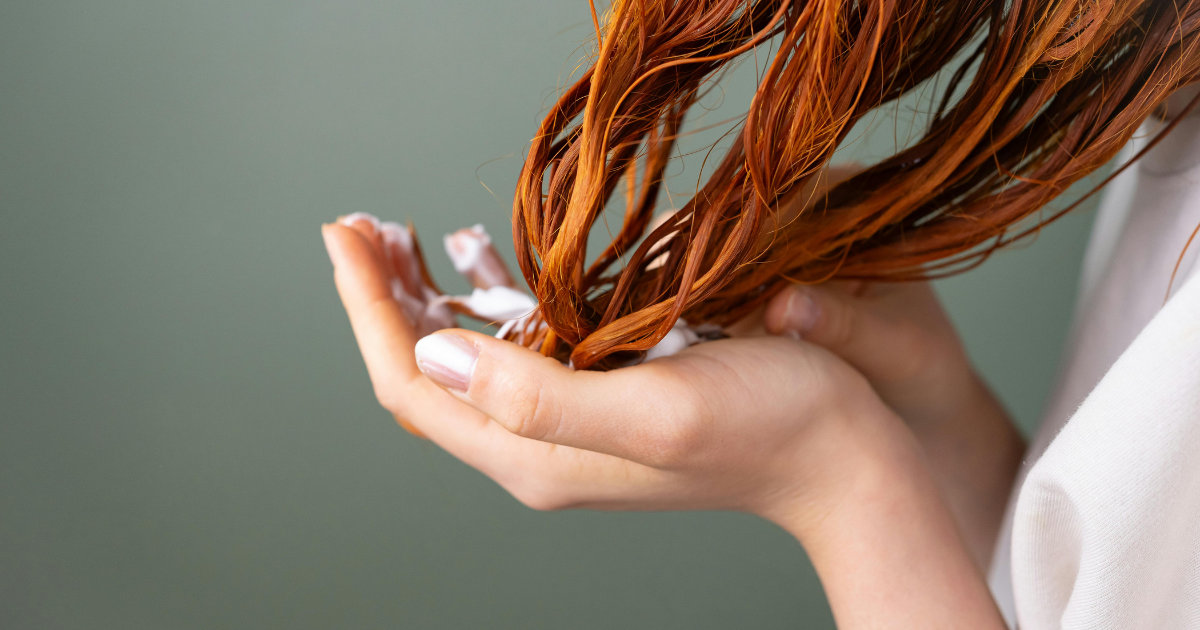
Aftercare can influence how quickly a shade fades and how the hair feels between appointments. A stylist may recommend products based on the selected color, texture, and level of lightening.
Helpful habits often include:
Sun, saltwater, and swimming pools can be particularly challenging in Florida. The American Academy of Dermatology’s summer hair-care guidance recommends protecting hair from ultraviolet exposure, rinsing after swimming, and using conditioning care to reduce dryness and breakage.
Cleveland Clinic also notes that frequent bleaching and lightening can weaken hair fibers. Extending time between intensive services and following a realistic home-care routine can help preserve the result.
Spa 801 Spa and Salon offers color touch-ups, partial and full foils, highlights, lowlights, balayage, ombré, gloss services, and corrective color at its St. Petersburg salon. Color can also be combined with a haircut and blowout when appropriate.
The salon explains that final recommendations depend on a proper consultation and the length and condition of the hair. This is especially important for corrective work or transformations involving significant lightening.
Before booking, consider how much change you want, how often you can maintain it, and what your hair has been through previously. Bring inspiration photos, but remain open to a customized interpretation rather than expecting an exact copy.
Balayage may be ideal for someone who prefers softly blended growth, while traditional highlights can provide structured brightness. Single-process color may deliver the rich, even coverage another client wants, and a gloss may be all that is needed to make existing color feel new again.
There is no universally superior technique. The right choice balances the desired appearance with the starting color, hair condition, budget, appointment schedule, and home-care commitment.
A detailed consultation turns a collection of trend terms into a realistic plan. When technique, tone, placement, and maintenance are considered together, hair color feels personal—and continues to look intentional long after the salon visit.