Signature Style at a Hair Salon in Charleston, SC
A great hair salon in Charleston, SC can help you turn fleeting beauty inspiration into a signature look that fits your personality, hair texture, and…

A great hair salon in Charleston, SC can help you turn fleeting beauty inspiration into a signature look that fits your personality, hair texture, and everyday routine.
Hair trends are moving faster than ever. One week everyone wants a softly layered blowout, and the next it is blunt bobs, shaggy texture, rich brunette color, or bright face-framing highlights. Trying something new can be exciting, but copying every trend is not the only way to keep your look current.
The better approach is to identify the elements you genuinely love and adapt them to your own hair. A skilled stylist can help you find the right balance between fresh and familiar, creating a style that feels modern without becoming impossible to maintain.
A signature look does not mean wearing the exact same haircut forever. It means understanding the shapes, colors, and styling details that consistently make you feel confident.
Start by thinking about what you already like. Maybe you prefer soft movement around your face, a clean neckline, defined curls, polished short hair, or dimensional color that grows out gradually. These preferences are more useful than selecting a trend simply because it is popular online.
Your ideal style should reflect:
When these details are considered together, the haircut or color becomes more personal and usually easier to enjoy after the appointment.
Social media can be an excellent place to discover ideas, but inspiration photos rarely tell the complete story. Lighting, filters, extensions, professional styling, and the model’s original hair can all influence the finished image.
Instead of asking for an exact copy, explain what you like about the photo. Is it the movement, length, fringe, color placement, contrast, or overall mood? Your stylist can then translate those details into a version that suits your starting point.
This approach works especially well for trend-driven cuts such as:
A trend becomes much more wearable when it is adjusted for your density, curl pattern, growth direction, and styling habits.
A routine trim maintains an existing shape, while a transformation haircut creates something noticeably different. Going from long hair to a pixie, embracing natural curls for the first time, adding dramatic bangs, or changing the overall silhouette may require additional appointment time.
A major change benefits from a deeper consultation because the stylist may need to explain how the new cut will behave, which styling methods will work, and how frequently it should be maintained.
If you are nervous about a dramatic cut, bring several reference photos instead of relying on one image. Choose examples with hair textures and densities similar to yours when possible.
No haircut can completely hide damage caused by repeated heat, rough handling, or chemical overprocessing. The American Academy of Dermatology recommends using lower heat settings, handling wet hair gently, and allowing hair to partially air-dry when practical.
Your stylist can also help you identify whether breakage, dryness, or damaged ends should influence the cut. Sometimes removing more length creates a stronger-looking shape and makes daily styling easier.
Hair color trends tend to focus on names—expensive brunette, champagne blonde, cowboy copper, buttercream highlights—but the visual result depends on tone, depth, brightness, and placement.
Before selecting a shade, think about the overall mood you want:
These descriptions give the stylist more useful direction than a trendy name alone.
Not every color appointment needs to involve a dramatic transformation. A gloss can refresh tone, enhance shine, and make existing color look more polished.
Gloss services are especially useful when the overall placement still works but the tone has faded or shifted. They may also be used as part of a larger color service, depending on the intended result.
The structure of hair and the way cosmetic products interact with it are more complicated than they appear. A review available through the National Library of Medicine discusses the hair shaft and the effects of common cosmetic treatments.
Because porosity and previous chemical services affect how color behaves, two people using the same shade may not receive identical results.
Blonde inspiration is everywhere, but achieving the right result can require a careful plan. Your natural color, existing artificial pigment, hair condition, desired brightness, and maintenance preferences all affect the process.
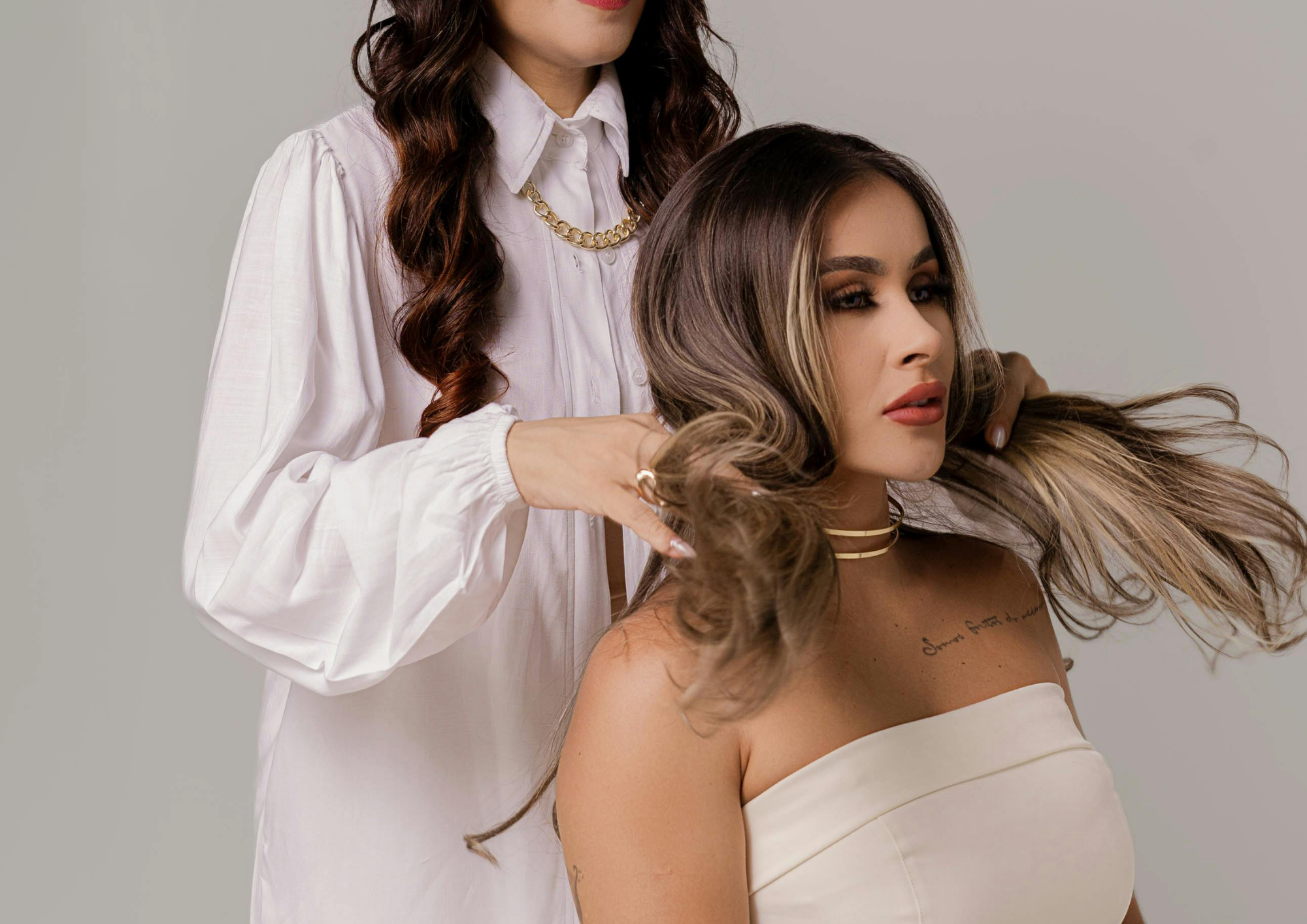
Partial blonding may focus brightness around the face and parting, while full blonding creates a more extensive change throughout the hair. Stylists may use highlights, babylights, balayage, teasy lights, or a combination of methods.
Ask how the placement will grow out and when the next appointment is likely to be needed. A softer transition may support a lower-maintenance routine, while a brighter root area may need more frequent attention.
If your desired result cannot be achieved safely in one session, a multi-appointment plan is not a failure. It is often the smarter way to move toward a lighter color while respecting the condition of the hair.
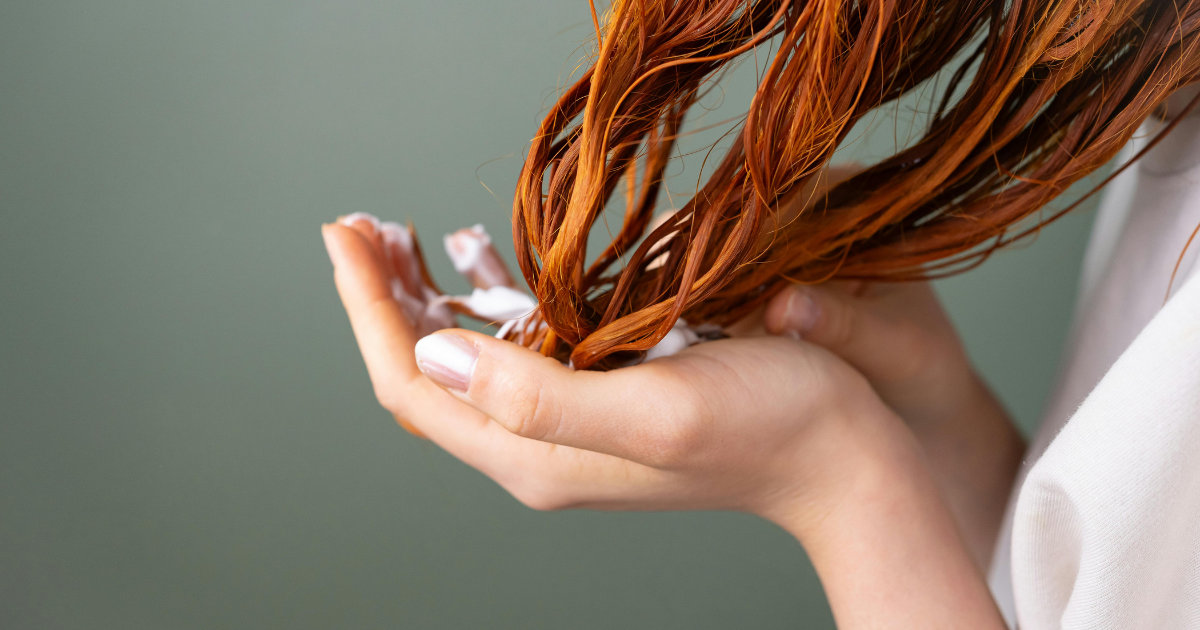
Color history matters, even when the previous shade appears to have faded. Box dye, temporary color, henna, lightener, root sprays, and earlier salon services can all affect the next formula.
Tell your stylist what has been applied and approximately when it was used. This information is especially important when planning lightening or color correction.
The U.S. Food and Drug Administration provides consumer information about hair dyes and recommends following product directions and completing advised skin tests. Anyone who has experienced swelling, burning, rash, or another reaction should disclose that history before receiving a color service.
For readers interested in how hair-color safety research has developed, the National Cancer Institute offers an evidence-based review of hair dyes and human health.
Precision short haircuts, beard detailing, and traditional barbering techniques are increasingly appearing alongside longer cuts and modern color services. This makes it easier to create a complete look instead of treating the haircut and facial hair as unrelated details.
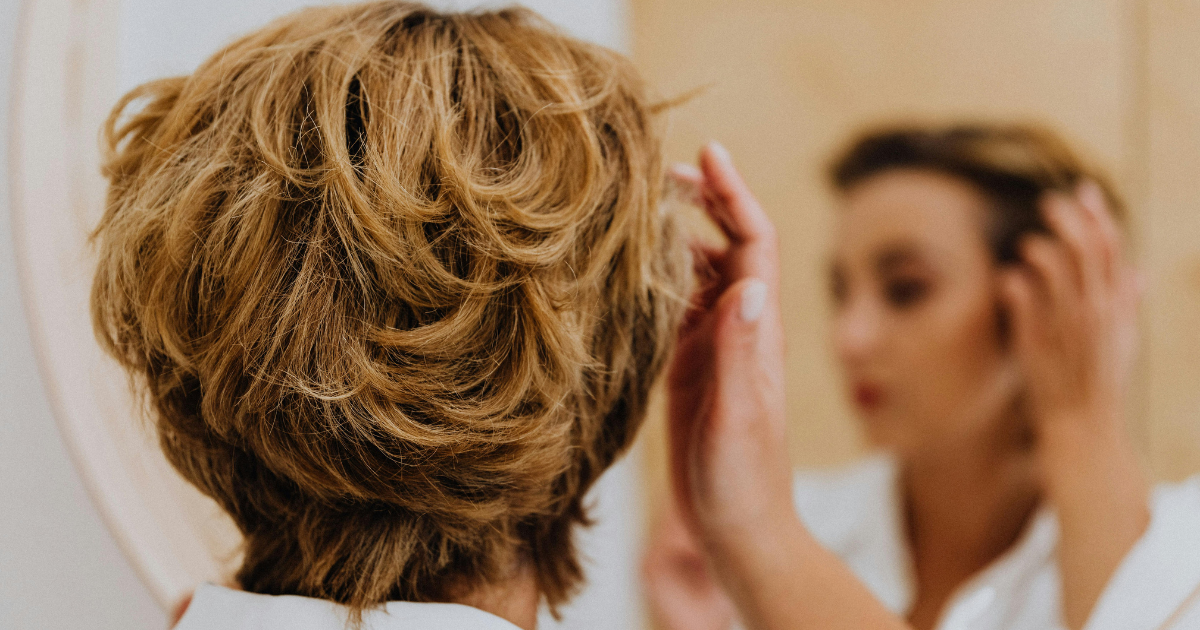
A successful short haircut considers head shape, growth patterns, neckline, sideburns, texture, and the desired finish. Some guests want a crisp, structured look, while others prefer softness and movement.
Bring photos and explain which details you like. The same principle applies to beard shaping: discuss length, outline, blending, and how much maintenance you are comfortable doing at home.
Your home routine does not need to be complicated, but it should support the services you receive. Ask your stylist which steps are essential and which products are optional.
A practical routine may include:
Tight hairstyles can create unnecessary tension when worn repeatedly. The American Academy of Dermatology explains how certain hairstyles can contribute to traction alopecia and recommends changing habits when early signs of hair loss appear.
Cosmetic products can also cause reactions in some users. The FDA’s cosmetics safety guidance advises consumers to discontinue a product if a reaction occurs and seek medical guidance when appropriate.
Your maintenance schedule should feel realistic. A beautiful result can quickly become frustrating if it requires more salon visits or daily styling than you expected.
Before committing to a new look, ask:
The answers can help you choose a style that works on an ordinary weekday, not just on the day of your salon appointment.
Olliver Lux Hair Society is a luxury salon in downtown Charleston offering precision haircuts, transformation cuts, barbering, custom color, blonding, gloss services, gray blending, extensions, and styling.
The salon begins with consultation and uses each guest’s goals, hair condition, and maintenance needs to guide the service. That makes it possible to explore current trends without losing sight of individual style.
The strongest hair trends are not the ones copied exactly from a screen. They are the ones adapted thoughtfully to the person wearing them.
Use inspiration photos to start the conversation, but let your natural texture, lifestyle, and personality influence the final plan. Be honest about your color history, maintenance preferences, and daily styling habits.
When those details are part of the consultation, a haircut or color service can feel both current and personal. That is how a trend becomes a signature look—and how a salon result continues to feel right long after the appointment ends.