Hair Extensions in Greene: More Volume, Your Way
The best hair extensions in Greene, ME should do more than add inches—they should complement your natural texture, support your styling goals, and fit comfortably…


A great Hair salon can translate the looks filling your inspiration folder into a cut, color, or style that works beyond the first glamorous photo.
Hair trends are wonderfully persuasive. A glossy bob, airy fringe, copper color, or dramatic set of layers can suddenly make your current look feel overdue for a change. The challenge is that trend photos rarely reveal the styling time, maintenance schedule, or starting hair condition behind the finished result.
You do not have to ignore trends to be practical. The smarter approach is to identify what makes a look appealing, then adapt that feature to your texture, routine, and comfort level.
Instead of asking for an entire hairstyle immediately, determine which element caught your attention. You may love the movement rather than the length, the brightness around the face rather than the overall color, or the polished finish rather than the haircut itself.
Break an inspiration image into individual decisions:
This makes it easier to keep the most flattering part of a trend while adjusting anything that conflicts with your lifestyle. A chin-length bob might become a collarbone cut, for example, while preserving the clean outline that made the original image appealing.
A haircut should still make sense after you wash it yourself. Before committing to a new silhouette, consider how your hair behaves without a professional blowout.
Fine hair may respond differently to extensive layering than dense hair. Curls can spring upward as they dry, while straight hair may reveal every line in a precision cut. Cowlicks, growth patterns, shrinkage, and natural volume also affect how a shape settles.
The American Academy of Dermatology’s healthy hair recommendations encourage routines based on hair type and scalp needs. The same principle applies to choosing a cut. The best version of a trend respects what the hair naturally wants to do.
Before leaving the salon, ask which part of the haircut creates its shape and what must be styled to preserve it. You may discover that the look requires only a quick adjustment at the fringe or crown rather than a complete blowout every morning.
Also ask how the cut will change as it grows. A shape that softens gracefully may be a better match for someone who prefers longer intervals between trims.
Hair color exists on a wide spectrum of maintenance. A subtle gloss, soft highlights, and a dramatic transformation do not require the same schedule or home routine.
Before selecting a shade, think about three types of contrast:
High-contrast color can look striking but may reveal regrowth sooner. Softer transitions generally evolve more gradually. Neither choice is automatically better. The question is whether you will enjoy the appearance at every stage between visits.
Color safety matters as much as the aesthetic plan. The U.S. Food and Drug Administration’s hair dye guidance explains that reactions can occur even after someone has previously used hair color without a problem. Product instructions, warnings, and recommended allergy tests should be taken seriously.
Fringe can transform a familiar haircut while preserving most of its length. Curtain bangs create softness around the face, wispy fringe adds light detail, and a stronger blunt bang can make the entire style feel more graphic.
The maintenance question is simple: what will your bangs do on a humid morning, during exercise, or when you skip heat styling?
If you are unsure, begin with longer face-framing pieces. They offer some of the visual effect while providing more flexibility to tuck, pin, or blend them into the rest of the hair. You can always move shorter at a future visit.
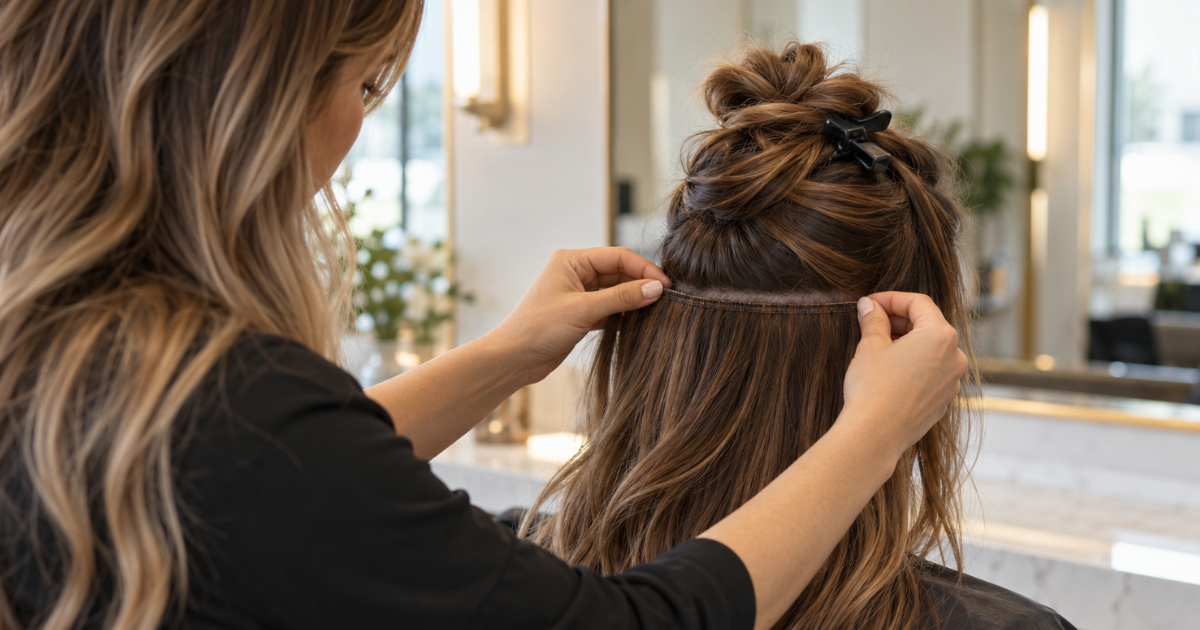
Extensions can provide length, fullness, color variation, or added density in selected areas. The most successful result begins with a specific goal rather than the assumption that more hair is always better.
Additional hair also brings additional care. Ask how the chosen method affects washing, brushing, sleeping, heat styling, and maintenance visits. An installation should not cause persistent pain or excessive pulling.
The American Academy of Dermatology explains that repeated tension from certain hairstyles and extensions may contribute to traction alopecia. Tenderness, bumps, broken hairs, or thinning around stressed areas should not be dismissed as a normal adjustment.
Sometimes the trend you love is primarily a styling technique. A round-brush blowout, smooth bend, loose wave, or glossy straight finish can make an existing haircut look completely different.
Experimenting with the finish before making a major cut is a low-commitment way to test a new aesthetic. Ask whether your current shape can be styled to create a similar mood.
If you regularly use dryers, flat irons, curling tools, or hot brushes, temperature and frequency matter. The AAD’s advice for styling hair without unnecessary damage includes using lower heat and limiting repeated hot-tool use.
Try reducing the number of passes over each section and use the lowest temperature that produces the intended result. A look that requires extreme heat every day may not be the most sustainable interpretation of the trend.
A sleek finish can be achieved through products, styling methods, haircuts, or professional smoothing services. These options are not interchangeable, so ask what a treatment is designed to do and how long its effects are expected to last.
You should also know which product will be used. The FDA’s information about hair smoothing products explains that some formulas may release formaldehyde when heated. Ingredient transparency and appropriate ventilation are meaningful parts of the service conversation.
If your goal is simply easier styling or less visible frizz, a different cut, conditioning service, or revised home routine may offer a more suitable solution.
Color naturally changes between services. Washing frequency, water temperature, cleansing products, heated tools, mineral exposure, and sunlight can all influence how quickly a shade loses its original tone.
Research indexed by the National Library of Medicine describes how ultraviolet exposure can affect hair proteins and pigment. Hats, shade, and hair products designed for environmental protection can be useful when spending extended time outdoors.
A practical color-preserving routine may include:
Avoid layering random pigmented masks or at-home dyes when the color shifts. They can complicate the next professional service, especially when the underlying formula is unknown.
Beauty services can change the appearance and manageability of hair, but they cannot diagnose sudden shedding, scalp pain, sores, or unexplained thinning.
MedlinePlus explains that hair loss can have many possible causes, including genetics, health conditions, hormonal changes, medications, and damaging practices. A dermatologist or another qualified healthcare professional should evaluate concerning or persistent changes before they are covered with another cosmetic service.
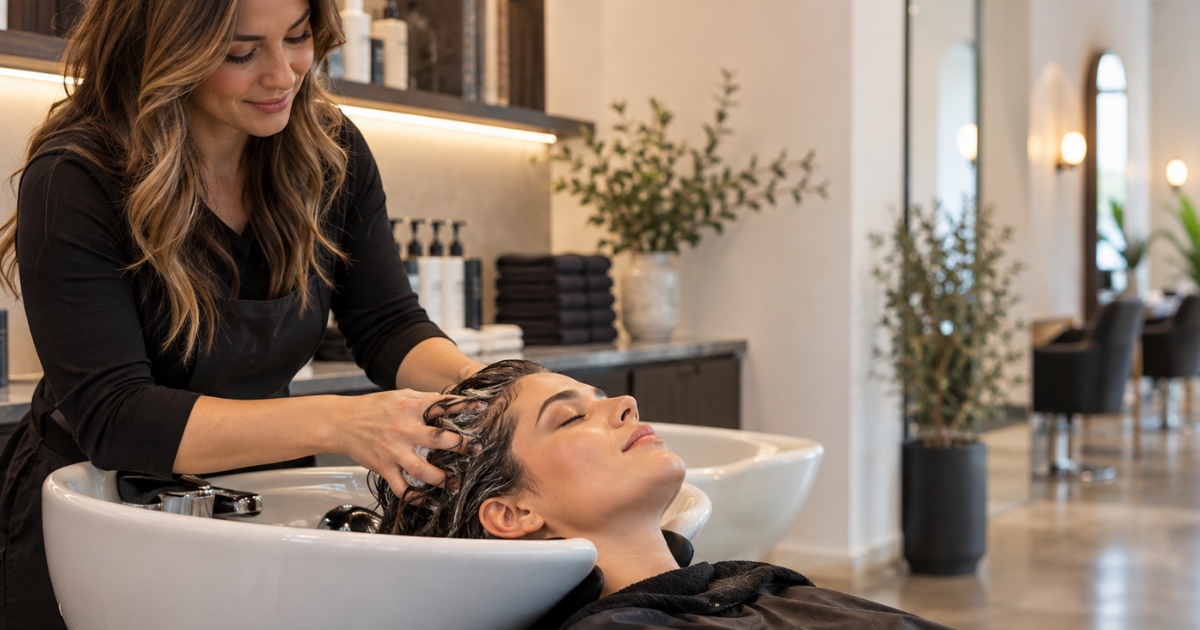
Forever Young Hair Salon provides haircuts, styling, customized color, highlights, extensions, and hair treatments in Cumming, Georgia. This range allows guests to explore new shapes, shades, length, and finishes according to their individual goals.
Bringing two or three carefully chosen reference images can help start the conversation. Explain what you like in each one, how much time you normally spend styling, and how frequently you are comfortable maintaining the result.
Before saying yes to a major change, answer these questions:
The point of following a hair trend is to feel refreshed, not trapped by upkeep you never wanted. Choose the detail that excites you, adapt it to your natural texture, and understand the maintenance before making the change. A trend becomes personal style when it looks just as convincing in everyday life as it did in the inspiration photo.