The Rise of Undetectable Aesthetics
The Rise of Undetectable Aesthetics A well-run Medical spa should help a person look refreshed without turning every consultation into a race toward more product,…

A Medical spa can help turn exciting beauty trends into a personalized routine built around your skin, goals, schedule, and comfort level.
Aesthetic treatments are everywhere right now. One week, everyone is discussing a particular facial. The next, social feeds are filled with laser treatments, subtle injectables, body contouring, or a new approach to permanent makeup.
Trends are useful for discovering options, but popularity does not tell you whether a treatment suits your concern. The smartest beauty plan starts with the result you want, then works backward to determine the appropriate service, preparation, downtime, and maintenance.
Terms such as “glow,” “rejuvenation,” and “refresh” sound appealing, but they can mean completely different things. One person may want more hydration before a special event. Another may be concerned about uneven pigmentation, unwanted hair, facial volume, or skin texture.
Before selecting a treatment, complete this sentence: “The main change I would like to see is…”
Your answer might be:
Choosing one primary concern makes consultations more productive. It also reduces the temptation to combine several unfamiliar services simply because they are trending at the same time.
The American Academy of Dermatology recommends asking detailed questions before a cosmetic procedure, including who will perform it, what results are realistic, and what risks may be involved.
Not every beauty treatment requires the same investment of time or planning. A relaxing facial, a chemical peel, laser hair removal, and an injectable service follow very different timelines.
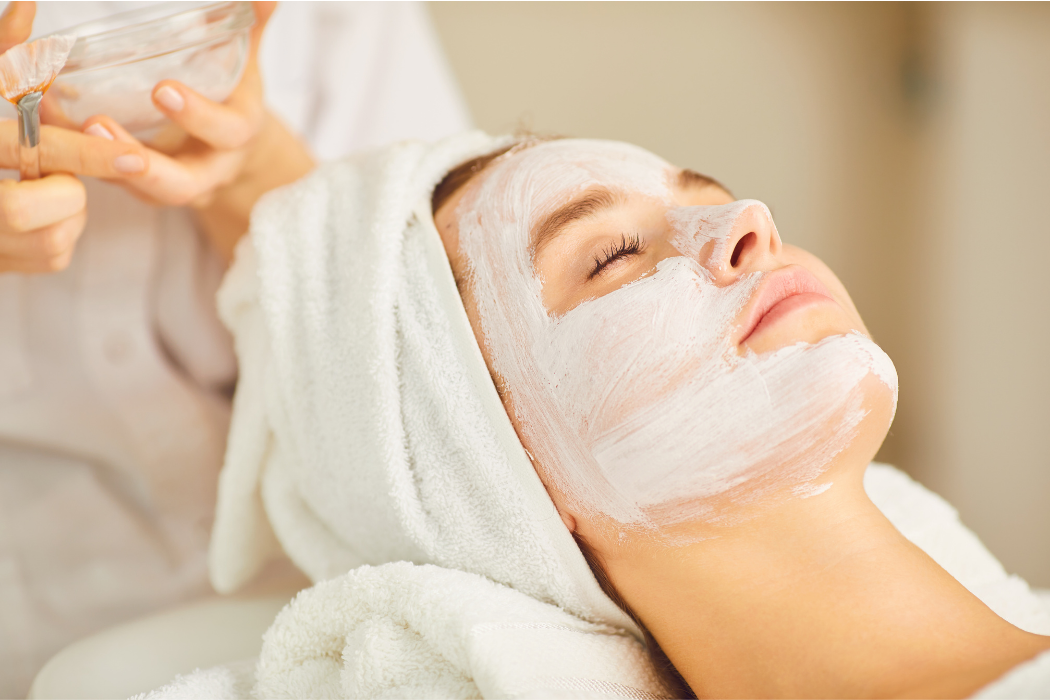
Traditional facials and other surface-focused services may appeal to people seeking relaxation, hydration, or a temporarily smoother-looking complexion. Even these services should be selected according to current skin condition and product use.
If your skin is irritated, sunburned, or reacting to a new active ingredient, disclose that before treatment. A gentler service or a different date may be more appropriate than trying to push through sensitivity.
Chemical peels, intensive resurfacing procedures, and certain laser services may involve visible redness, peeling, swelling, or temporary sensitivity. The exact response varies according to the treatment and the individual.
The AAD’s chemical peel guidance explains that some patients may need a pre-peel skin care plan and that recovery depends on the depth of the peel.
Ask what “downtime” actually means. Does it refer to mild dryness that makeup can cover, or visible peeling that may affect work, photographs, and social plans?
Laser hair removal, body contouring, and some skin treatments may require multiple sessions. A single visit should not automatically be expected to deliver the final result.
Before beginning a series, ask:
A wedding, reunion, vacation, or professional photo session often inspires a beauty update. It is also the worst time to discover that your skin needs longer to settle than expected.
Allow enough space for healing, follow-up, and adjustments. This is especially important for services that can cause swelling, bruising, peeling, or changes that develop gradually.
For an event-focused plan, work backward:
A conservative calendar may feel less exciting, but it gives you time to see how your skin responds without the pressure of an approaching deadline.
Injectables are sometimes discussed as though they all perform the same job. They do not.
Dermal fillers are used to add or restore volume in specific areas. The FDA classifies approved dermal fillers as medical device implants and explains that approved uses depend on the individual product and treatment area.
Botulinum toxin products work by temporarily affecting targeted muscle activity. They do not create volume in the way fillers do. The FDA’s botulinum toxin information outlines approved products and potential adverse effects.
Bring photographs of yourself rather than relying only on celebrity references. A provider needs to evaluate your anatomy, facial movement, medical history, previous treatments, and desired level of change.
Questions worth asking include:
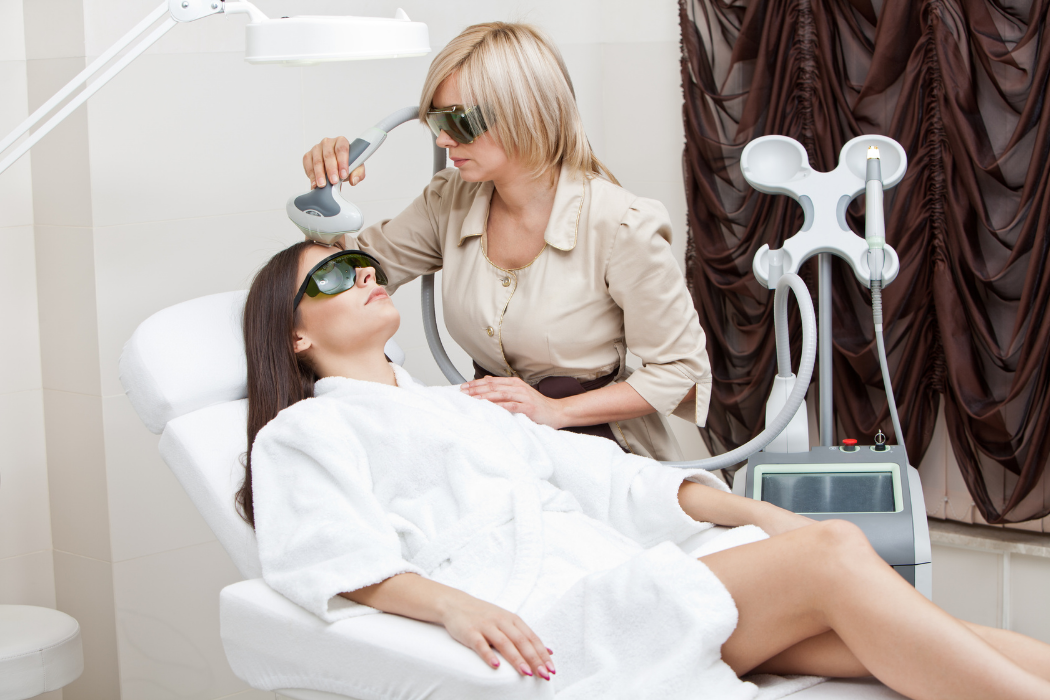
Laser hair removal can simplify grooming, but it requires more planning than booking one quick visit. Hair color, skin tone, tanning, medications, treatment area, and the hair growth cycle can influence the process.
The AAD’s preparation guidance for laser hair removal advises discussing medications, avoiding tanning, and following instructions regarding other hair-removal methods.
If you are considering treatment before swimsuit season or a long vacation, begin the conversation well in advance. Ask whether shaving is allowed between sessions, which products should be paused, and how sun exposure affects scheduling.
Significant burning, blistering, scarring, or lasting changes in skin color should never be dismissed as ordinary beauty maintenance. Clear aftercare instructions and a reliable contact plan matter.
Microneedling is frequently promoted for texture, fine lines, and the appearance of certain scars. However, the device, needle depth, treatment area, provider training, and products used during the procedure all make a difference.
The FDA notes that legally marketed microneedling devices are authorized for specific uses and body areas. Authorization of a device does not automatically mean every substance can be delivered into the skin with it.
Ask for the exact device name and whether the proposed treatment matches its intended use. It is also reasonable to ask how equipment is handled, which parts are single-use, and how the skin is prepared.
Noninvasive body contouring can sound like a replacement for every fitness or weight-related goal, but that is not what these devices are designed to do.
The FDA explains that noninvasive body-contouring technologies may change the appearance of localized areas, but they do not treat obesity or provide the health benefits associated with weight loss.
Before choosing a procedure, clarify what tissue it targets, how improvement will be measured, when changes may appear, and whether maintenance is expected. Standardized photographs taken under consistent lighting can be more informative than dramatic promotional images.
Professional treatments cannot compensate for an inconsistent daily routine. Sun exposure can affect pigmentation, visible aging, and the recovery process after certain procedures.
The AAD recommends a broad-spectrum, water-resistant sunscreen with SPF 30 or higher, along with shade and protective clothing.
This matters throughout the year in Arizona. Ask how long you should limit direct sun exposure after a treatment and when sunscreen or makeup can be reapplied. If you know you will be outdoors for extended periods, that information may influence the timing of a peel, laser service, or other procedure.
Allure Infinite Beauty in Mesa offers skin care and facials, laser treatments, aesthetic injectables, hair removal, body contouring, permanent makeup, and salon services. Having multiple categories available can make coordinated planning easier, especially when preparing for an event or developing a longer-term routine.
The goal should not be to complete everything at once. Coordination is most useful when it helps determine which service comes first, how procedures should be spaced, and whether a simpler option would satisfy the same goal.
Beauty trends are most successful when they fit ordinary life. A treatment may look wonderful, yet still be the wrong choice if its maintenance, downtime, or aftercare consistently conflicts with your schedule.
Before committing, consider:
The best aesthetic plan does not need to include the newest procedure or the longest list of services. It should feel personal, understandable, and manageable. When each treatment has a clear purpose and a realistic place in your calendar, beauty trends become useful inspiration instead of pressure to keep up.