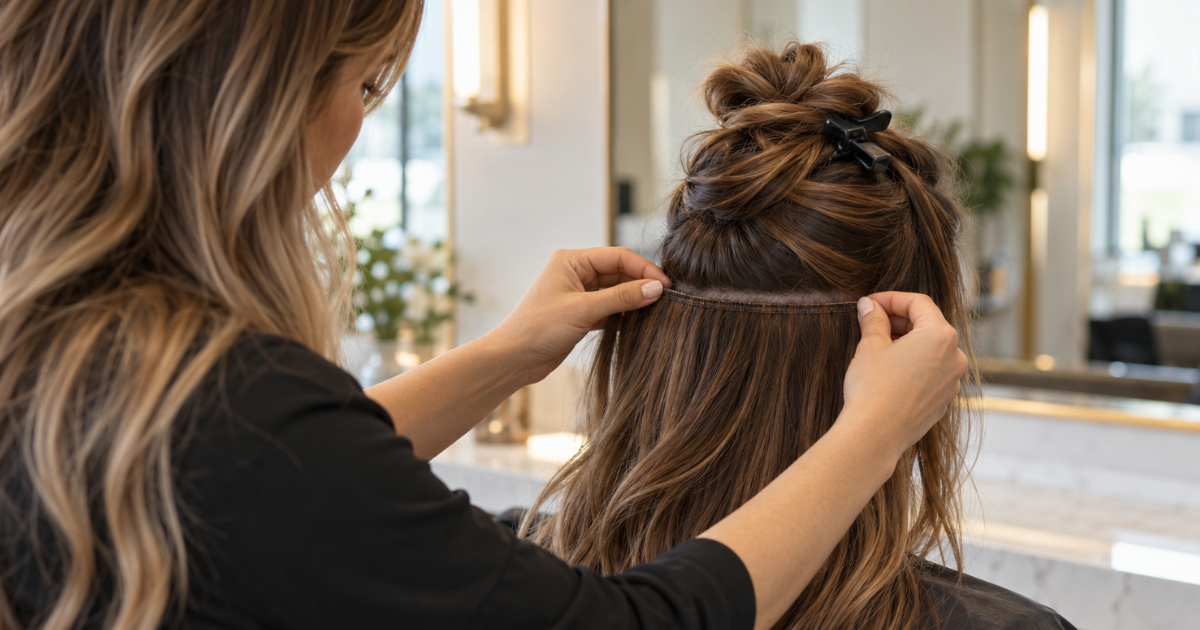
Hair Extensions in Greene: More Volume, Your Way
The best hair extensions in Greene, ME should do more than add inches—they should complement your natural texture, support your styling goals, and fit comfortably…

A modern Hair salon can turn a bold haircut trend into a flattering shape that works with your natural texture, favorite features, and real morning routine.
For several years, hair trends were heavily focused on length, soft waves, and nearly invisible layers. Now, distinctive shapes are having their moment. Think polished bobs, airy pixies, dramatic fringes, rounded curls, and layers that can be seen without needing a professional blowout.
The exciting part is that a statement cut does not need to feel extreme. The secret is choosing one strong feature and adjusting everything else to suit your lifestyle.
A well-defined haircut creates visual interest before color, accessories, or elaborate styling enter the picture. It can make fine hair look fuller, remove weight from dense hair, or give curls a more balanced silhouette.
Social media has accelerated the trend cycle, but a saved photo should be treated as inspiration rather than a literal blueprint. Lighting, extensions, filters, and paid product promotions can all affect what appears on screen. The Federal Trade Commission’s guidance on influencer disclosures is a useful reminder that some beauty content is advertising, even when it resembles a casual recommendation.
Before committing to a trending style, identify what you actually like about it. Is it the sharp perimeter, face-framing movement, shorter length, or extra volume? That single detail gives your stylist a much better starting point than the name of a trend.
Asking for “a bob” is a little like asking for “a jacket.” The category covers many shapes, lengths, and finishes. A chin-length French bob creates a different effect from a collarbone-skimming lob, while a blunt bob behaves differently from a heavily textured version.
If you are nervous about losing length, begin with a longer bob. It provides a visible change while leaving room to go shorter at a future appointment.
A pixie can highlight the eyes, cheekbones, and neckline beautifully. It can also be surprisingly versatile. Longer top sections may be swept back, worn forward, curled, or given a piecey finish.
The practical consideration is maintenance. Short hair reveals changes in length quickly, so perimeter cleanups may be needed more often than they would be with long layers. Before the first cut, discuss how frequently you want appointments and what the style will look like as it grows.
Product choice matters too. Fine hair may respond well to a light texture spray, while coarse or curly hair may prefer a small amount of cream. Applying too much product can make a short cut collapse instead of creating definition.
Layers are most successful when they solve a specific problem. They might remove bulk, encourage curl formation, create movement, or add the appearance of volume. Adding layers simply because they are fashionable can produce disappointing results if they work against the hair’s density.
The American Academy of Dermatology’s healthy hair guidance recommends gentle handling, especially when hair is wet. That advice becomes particularly useful with layered curls, which can lose definition when brushed aggressively.
Bangs can transform a familiar haircut without removing much overall length. Curtain fringe creates softness around the cheekbones, wispy bangs add lightness, and a fuller fringe places more emphasis on the eyes.
However, fringe lives at the front of the face, where cowlicks, skin oils, and humidity are most noticeable. Ask your stylist to show you how to dry it before leaving the appointment. In many cases, directing the roots while they are still damp is more effective than trying to correct the shape later with a flat iron.
Heat should still be used thoughtfully. The AAD explains how to style hair without unnecessary damage, including limiting high temperatures and allowing hair to partially air-dry when possible.
Color placement can make the architecture of a haircut more visible. A gloss may emphasize a sleek bob, subtle highlights can reveal movement in layers, and a brighter face frame can draw attention to fringe or cheekbone-length pieces.
If you want a major cut and color transformation, ask whether both changes should happen during one visit. Removing substantial length first can prevent color from being placed on hair that will immediately be cut away.
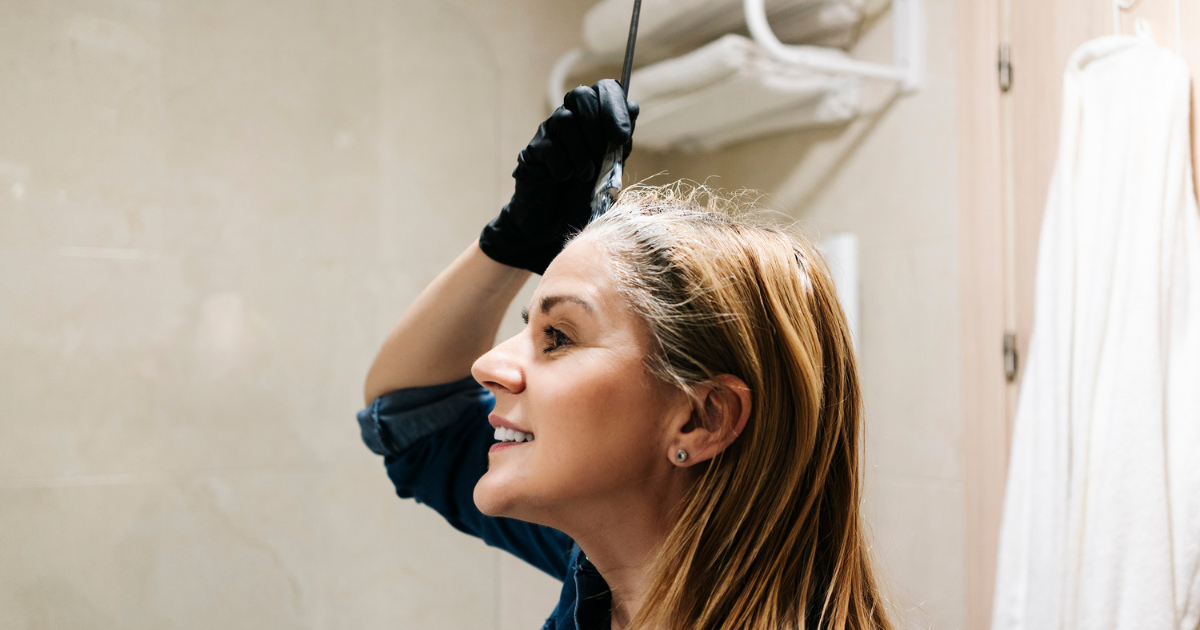
Anyone coloring at home between appointments should follow package directions and complete the recommended allergy test. The FDA’s hair dye safety information explains why instructions, timing, and patch testing matter. Additional practical advice is available through the AAD’s coloring and perming tips.
A cut should be designed for the texture you wear most often. If you usually embrace waves but occasionally straighten your hair, say so. If you receive keratin or smoothing treatments, tell the stylist when the last service occurred and what product was used.
This information affects cutting decisions and chemical-service planning. The Occupational Safety and Health Administration provides background on formaldehyde exposure associated with certain smoothing products. Clients can ask a salon which formula it uses, how the space is ventilated, and what results the service is designed to provide.
Extensions are often associated with very long hair, but they can also add density to a sparse perimeter or support a fuller layered shape. The effect should blend with the natural hair when it is straight, curled, and moving.
Comfort is essential. Extensions should not create ongoing pain or excessive tension. The AAD’s advice for preventing damage from weaves and extensions emphasizes avoiding tight installation and giving natural hair appropriate care.
A helpful consultation connects the desired image with everyday habits. Mention how often you shampoo, whether you exercise frequently, how much time you spend styling, and which tools you already own.
Bring two or three reference photos rather than twenty. It is also helpful to bring one image showing what you do not want. Then ask these practical questions:
In the Matthews area, Diviniti Salon & Spa offers precision cuts, color services, formal styling, extensions, conditioning treatments, and texture-focused options. That range makes it possible to discuss the complete look, rather than treating the haircut, color, and condition of the hair as unrelated decisions.
The most successful transformation is not necessarily the boldest one. It is the haircut that gives you a fresh point of view while remaining comfortable on an ordinary Tuesday morning.
Choose one defining feature, explain your routine honestly, and ask how the shape will behave between appointments. With thoughtful customization and a manageable styling plan, a bob, pixie, fringe, or layered cut can feel exciting without becoming a daily battle.