Hair Extensions in Greene: More Volume, Your Way
The best hair extensions in Greene, ME should do more than add inches—they should complement your natural texture, support your styling goals, and fit comfortably…


A Hair salon visit feels most satisfying when the finished look fits your real routine, not just the inspiration photo saved on your phone.
Beauty trends can be wonderfully motivating. Curtain bangs, dimensional brunettes, glossy coppers, airy layers, smooth blowouts, and extra-long extensions may all inspire a change. The challenge is deciding which ideas will continue to work after the first wash.
A successful hair reset considers texture, condition, styling habits, maintenance time, and budget alongside appearance. Before committing to a transformation, use these practical steps to turn a trend into a wearable plan.
Before discussing color formulas or cutting techniques, think about an ordinary week. A style that requires a round brush, several hot tools, and twenty minutes of careful sectioning may not suit someone who usually air-dries and leaves home quickly.
Ask yourself:
Share the honest answers with your stylist. Saying that you want something “easy” is less useful than explaining that you have ten minutes in the morning, wash three times weekly, and rarely use a curling iron.
The American Academy of Dermatology recommends choosing products and washing habits according to hair type. Fine, straight, tightly coiled, dry, and oily hair do not necessarily respond well to identical routines.
Bring photographs, but use them as conversation starters rather than guarantees. Lighting, filters, extensions, professional styling, and the model’s starting texture can all affect what appears on screen.
A useful consultation separates each photograph into specific features:
You may discover that you love the movement in one photo, the soft color contrast in another, and the length in a third. That gives the stylist much clearer information than asking for a complete copy of one image.
A haircut should account for what the hair does when it is not professionally styled. Cowlicks, shrinkage, density, growth patterns, and previous chemical services can influence how a shape falls.
Ask what the cut may look like after six or twelve weeks. A precise fringe can need regular reshaping, while longer face-framing layers may change more gradually. Short styles can be quick to style but may require more frequent trims to preserve their outline.
Before leaving, ask the stylist to explain the order of products, the amount to use, and the simplest drying technique. Record a short video if the salon and stylist permit it. A repeatable five-minute method is more valuable than a complicated routine you will abandon.
The AAD’s guidance on reducing hair damage recommends gentle handling and limiting practices that repeatedly pull, heat, or stress the hair.
Color maintenance involves more than the first service. Root contrast, fading, toner changes, home products, sun exposure, and future lightening all affect the long-term plan.
Before choosing a shade, ask:
Someone who enjoys regular salon visits may love a high-contrast blonde or vivid fashion shade. Someone who prefers widely spaced maintenance might be happier with dimensional color designed to blend into the natural base.
Hair condition matters too. The AAD notes that substantial lightening generally requires stronger processing and can cause more damage. A staged plan may be more appropriate when the starting color is much darker than the desired result.
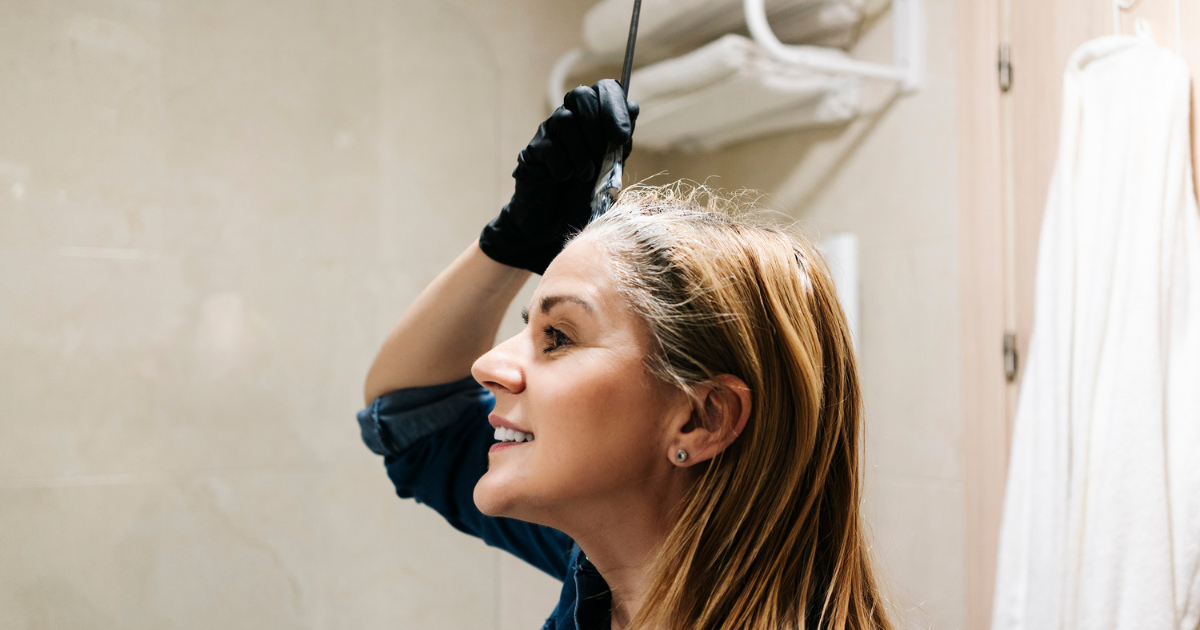
If you use hair color at home, follow the manufacturer’s directions and take warnings seriously. The FDA’s hair-dye safety guidance covers patch testing, eye protection, timing, and reactions that require attention.
“Hair treatment” can describe very different services. Bonding, conditioning, smoothing, perming, and shine-focused options do not have the same purpose or aftercare.
Ask the stylist to explain:
A cosmetic service should not be presented as a medical treatment for unexplained shedding, scalp pain, or patchy loss. Those concerns belong with a qualified healthcare professional.
Consumers considering smoothing services can also review the Occupational Safety and Health Administration’s information about formaldehyde in some hair products. Product composition, ventilation, professional handling, and clear communication are legitimate subjects to discuss before a chemical service.
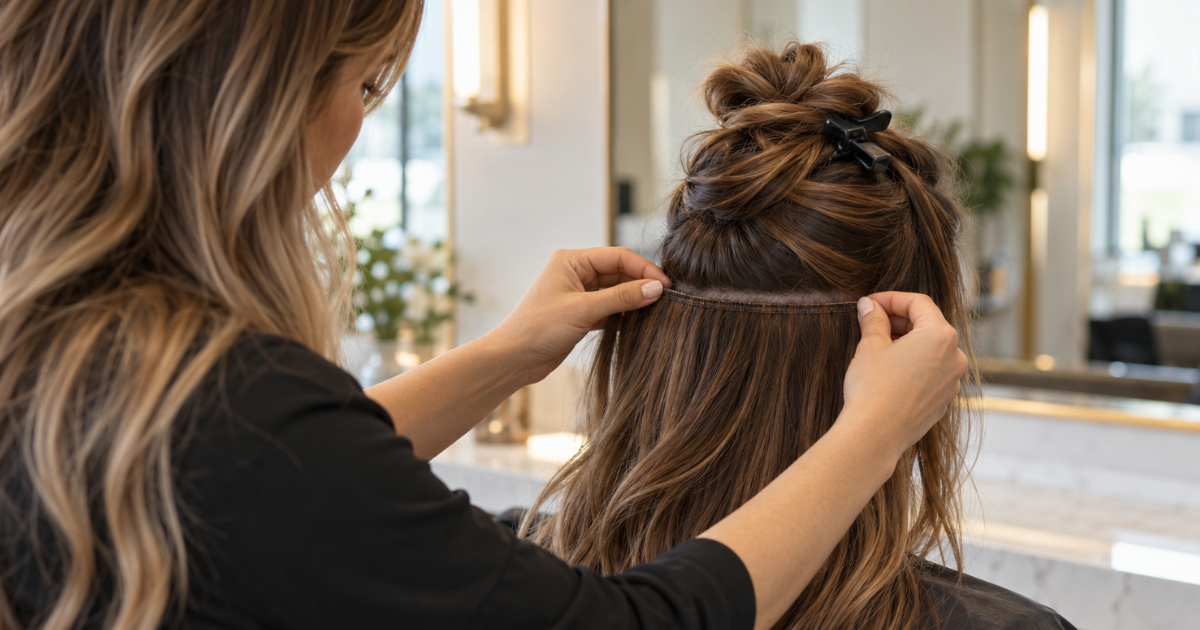
Extensions can add length, volume, or fullness in selected areas, but the best method depends on the natural hair, desired result, lifestyle, and willingness to follow maintenance instructions.
A thorough consultation should cover the installation method, amount of hair, total investment, maintenance schedule, washing routine, detangling, sleeping habits, removal, and replacement.
Comfort is an important signal. Extensions and protective styles should not cause persistent pain, headaches, sores, or excessive tension. The AAD warns that repeatedly wearing tight or pulling styles can contribute to traction alopecia. Report discomfort promptly rather than waiting for the next scheduled visit.
More products do not automatically produce healthier-looking hair. Begin with a manageable routine and add items only when they solve a clear problem.
If a product causes burning, swelling, blistering, or another significant reaction, stop using it and seek appropriate medical advice. Do not assume discomfort proves that a product is working.
Salon professionals provide cosmetic hair services, product guidance, and styling education within their licensed scope. In Maryland, the Board of Cosmetologists licenses qualified individuals, issues salon permits, and establishes health and safety standards.
A stylist can notice visible changes and recommend gentler practices, but persistent itching, sudden shedding, bald patches, wounds, or unexplained scalp symptoms should be evaluated by a medical professional such as a board-certified dermatologist.
Tranquille Hair and Body has served Towson, Maryland, since 2008. Its published hair offerings include cuts and styling, balayage, highlights, creative color, perms, smoothing and bonding treatments, silk presses, and several extension methods.
The salon also provides a virtual consultation option intended to help clients communicate what they want. Extension services require a consultation, during which the stylist recommends a customized approach and provides an estimate. Bridal hair and makeup, massage, and membership options are also listed among the company’s services.
Whether visiting this salon or another provider, arrive prepared to discuss your hair history, current routine, inspiration, concerns, and maintenance limits. Accurate information helps the stylist recommend an option that works beyond the salon chair.
A great hair change should feel exciting on day one and manageable several weeks later. The smartest approach is not to avoid trends, but to adapt them thoughtfully.
When the cut respects natural texture, the color has a realistic maintenance plan, treatments have clear purposes, and home care remains simple, the result becomes more than a temporary reveal. It becomes a look you can confidently live in.