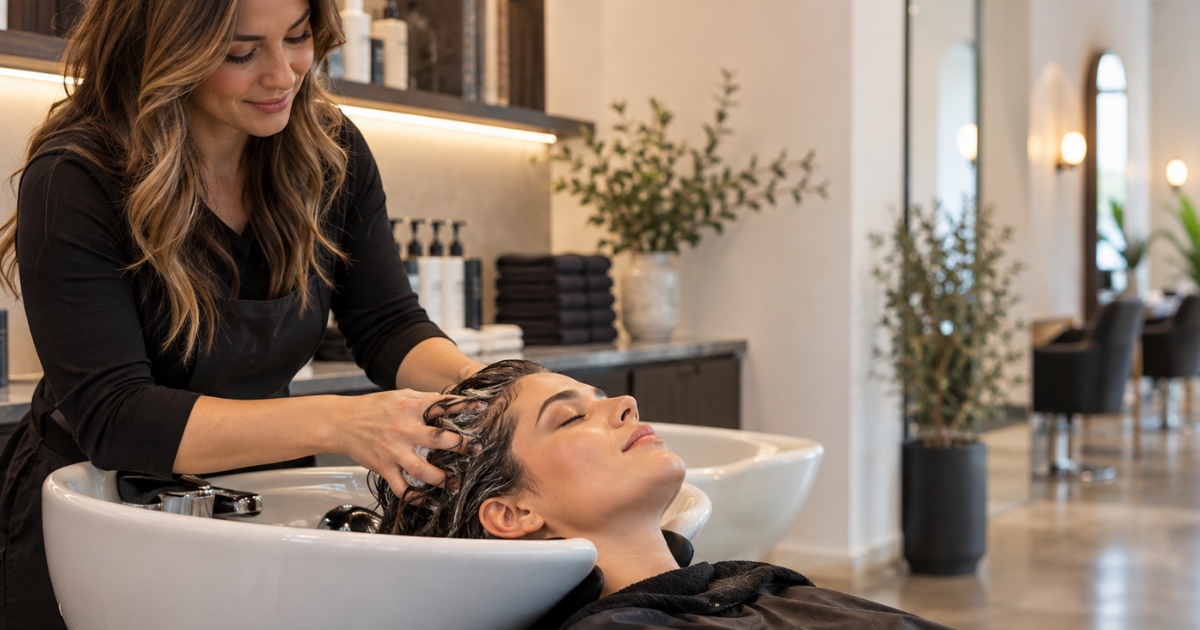
Hair Extensions in Greene: More Volume, Your Way
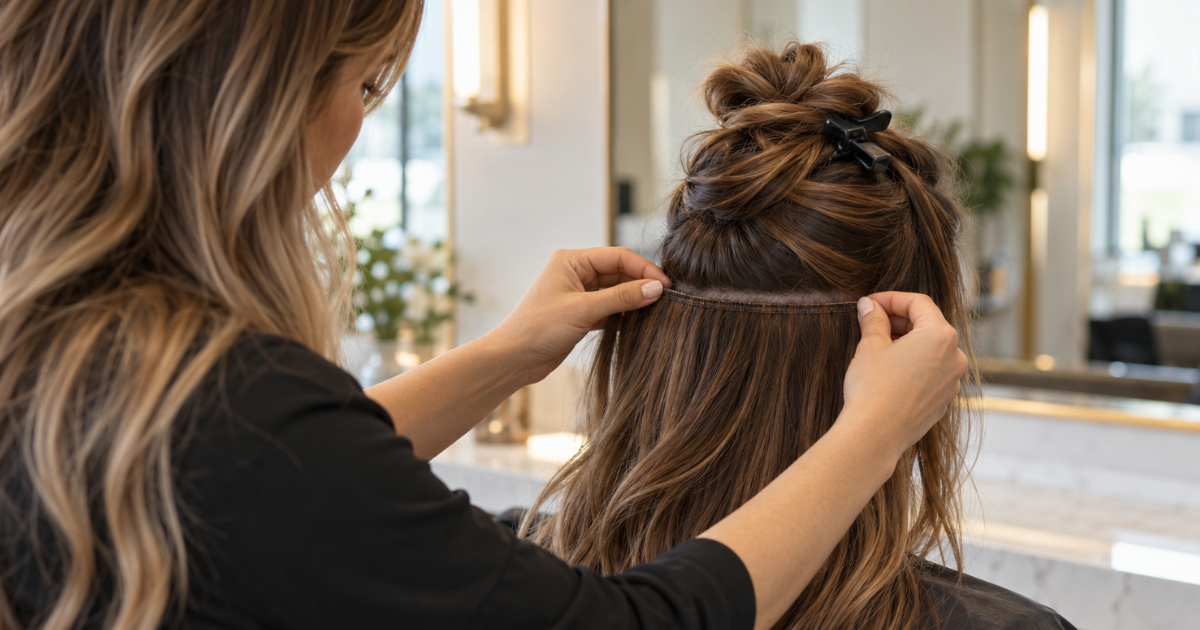
The best hair extensions in Greene, ME should do more than add inches—they should complement your natural texture, support your styling goals, and fit comfortably…


A Hair salon can turn a beautiful trend into something that genuinely suits your hair, lifestyle, budget, and willingness to handle upkeep.
Beauty inspiration is everywhere. One quick scroll can deliver glossy brunettes, airy layers, vivid nail art, barely-there makeup, full lashes, and glowing skin before breakfast. The fun part is imagining the transformation. The harder part is deciding which ideas will still feel right several weeks later.
The best beauty plan is rarely a copy-and-paste version of a photograph. It is an edited combination of trends that work with your starting point, everyday routine, and personal style. Here is how to create that combination without turning beauty maintenance into a second job.
A trend shows you what is possible, but it does not reveal the model’s preparation, natural features, service history, or styling time. Before choosing a look, ask how it will fit into an ordinary Tuesday morning.
There is no wrong answer. Some people enjoy frequent transformations and detailed routines. Others want a polished look that survives air-drying, busy mornings, workouts, and changing schedules. Being honest about that difference helps a beauty professional recommend the right version of a trend.
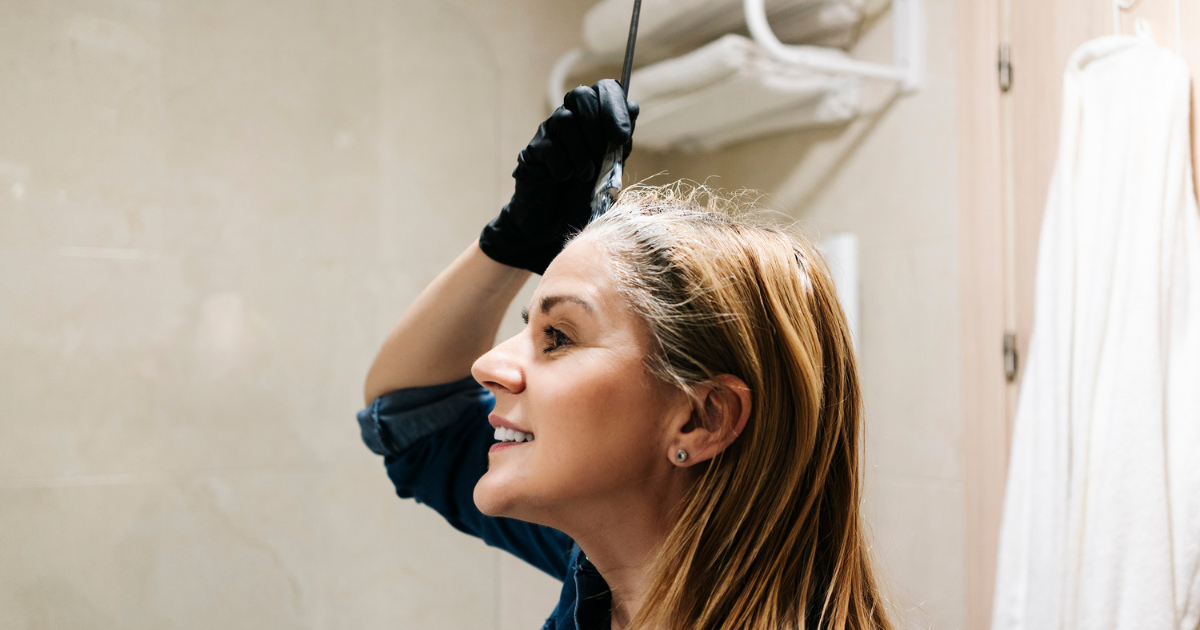
Hair color is not only about the finished shade. Placement determines how the result will change as the hair grows.
A dramatic color shift can make an exciting statement, but it may require regular root maintenance and specialized home care. Softer highlights, dimensional color, and balayage-inspired placement can create visible brightness with a more blended transition. Neither approach is automatically better. They serve different priorities.
Before settling on a color direction, discuss:
Condition matters because chemical services can leave hair drier or more fragile. The American Academy of Dermatology offers guidance for maintaining healthier-looking colored and chemically treated hair, including why significant lightening can be more demanding than a smaller shade change.
Clients should also mention any previous itching, swelling, or irritation associated with color. The U.S. Food and Drug Administration explains that sensitivities to hair dye can develop over time, even when earlier applications caused no problem.
Haircut trends often look deceptively effortless. Curtain bangs, textured shags, highly layered shapes, and sleek bobs can all be gorgeous, but each behaves differently across textures and routines.
Instead of asking only whether a cut suits your face shape, consider how it works with:
If you rarely style your hair, bring an inspiration image showing a natural-looking finish rather than only a highly polished editorial result. If you enjoy using tools, ask the stylist to demonstrate the specific technique needed to recreate the shape.
Heat does not need to disappear from your routine, but it should be used thoughtfully. The AAD’s advice on styling hair while limiting avoidable damage includes allowing partial air-drying, reducing excessive heat, and avoiding hairstyles that continually pull on the hair.
Saving dozens of unrelated photographs can make the consultation more confusing. A smaller, more intentional reference set is better.
Try bringing three types of images:
Explain what you like in each image. You may love the brightness in one photograph, the shape in another, and the softness of a third. This gives the professional room to design a cohesive result rather than reproduce features that may not work together.
A complete beauty look feels most modern when its parts relate to one another without becoming overly matched. The goal is coordination, not uniformity.
For example, a bold haircut can pair beautifully with simple nails and soft makeup. A neutral hair color can provide a versatile base for seasonal nail art or a more dramatic lash look. If several services are being planned for an event, one feature can take the lead while the others support it.
4&CO SALON in Rockville offers hair services including cuts, color, highlights, and balayage alongside nails, facials, waxing, makeup, and lash-related services. A broad menu can make coordinated planning easier because clients can discuss how separate treatments fit into one overall routine.
That conversation is particularly useful before weddings, photographs, vacations, or professional events. Trying every new service immediately before an important date leaves little room to adjust the color, shape, intensity, or aftercare.
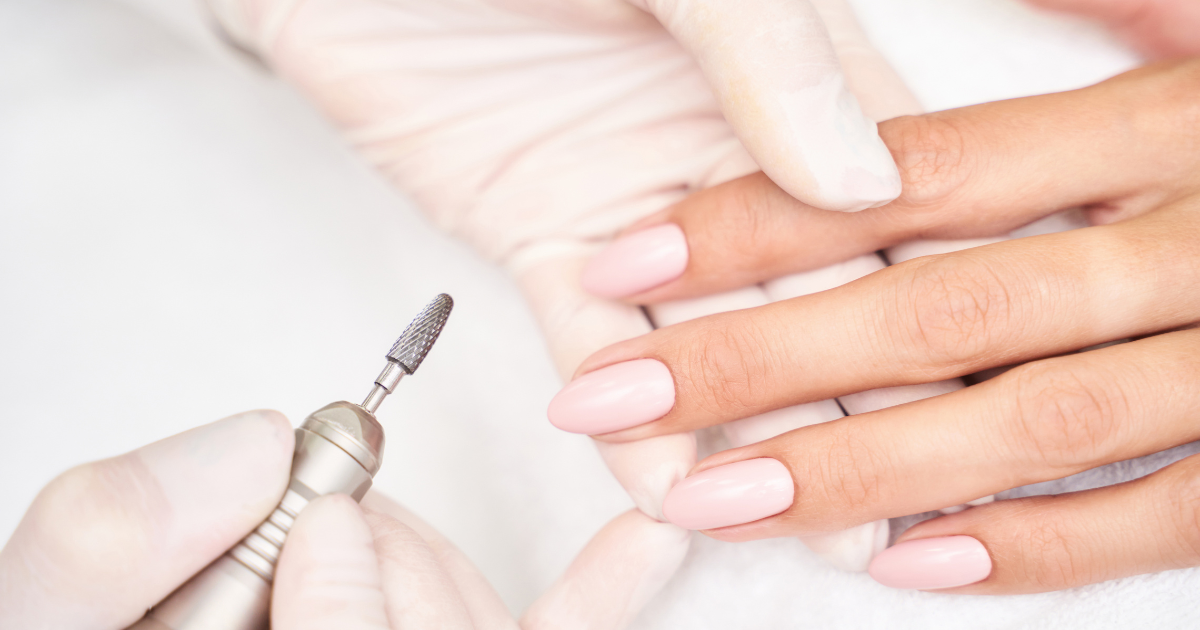
Nail inspiration often begins with color or artwork, but the practical decision is usually shape and length. Extra-long or sharply tapered nails may be perfect for some lifestyles and frustrating for others.
Think about typing, fitness, childcare, musical instruments, food preparation, and any hands-on work. A shorter version of a trending shape can preserve the visual idea while making daily tasks easier.
Gel and acrylic options can extend creative possibilities, but removal and maintenance are part of the commitment. Peeling or aggressively scraping product away can damage the nail surface. The American Academy of Dermatology’s manicure and pedicure recommendations also advise protecting the cuticle because it helps guard the surrounding area against infection.
If a nail becomes painful, swollen, discolored, or separated from the nail bed, cosmetic coverage is not the best first response. The underlying concern should be evaluated before another product is applied.
Lash extensions and false lashes can change the balance of the face without requiring a full makeup routine. The most wearable result depends on more than maximum length. Curl, density, weight, eye shape, natural lash condition, and desired upkeep all matter.
Bring references that show the intensity you want, but remain open to adjustments. A lighter set may better support natural lashes or fit someone who prefers an understated daytime look.
The eye area also deserves extra care. According to the FDA’s eye cosmetic safety guidance, false lashes, lash extensions, and their adhesives are cosmetic products. Clients should disclose adhesive sensitivities and report significant burning, swelling, or persistent redness rather than assuming discomfort is part of the process.
Facial trends come with plenty of appealing language, but a useful treatment plan begins with a clear goal. Do you want hydration, a smoother-looking surface, relaxation, or help selecting products for a consistent routine?
A professional facial can complement home care, but adding too many new products at once makes it difficult to identify what is helping or causing irritation. The AAD recommends applying skin care in a logical sequence, beginning with cleansing and placing medications or targeted treatments before moisturizer, sunscreen, and makeup.
Daily sun protection remains more important than a fleeting skin trend. Dermatologists recommend choosing a broad-spectrum, water-resistant sunscreen with SPF 30 or higher. A sunscreen you enjoy using consistently will usually fit a real routine better than a complicated collection that stays on the shelf.
Waxing can create a smooth finish, but timing matters when active skin care products are involved. Certain ingredients can make facial skin more vulnerable to lifting or irritation.
The AAD advises avoiding over-the-counter retinol and prescription retinoids for a period before facial waxing. Its waxing safety guidance explains why clients should consider current products and skin condition before hair removal.
Tell the professional about retinoids, exfoliating acids, recent peels, sunburn, active irritation, and other treatments affecting the area. When several beauty services are planned, ask which order and spacing are appropriate.
A sustainable routine separates necessities from enjoyable extras. Start with the services that most influence how you feel day to day, then layer in occasional treatments.
Beauty trends should provide ideas, not obligations. The most successful look is not necessarily the newest or most dramatic one. It is the version that feels recognizable, works on an ordinary day, and gives you enough flexibility to enjoy the next trend without starting over completely.