Hair Extensions in Greene: More Volume, Your Way
The best hair extensions in Greene, ME should do more than add inches—they should complement your natural texture, support your styling goals, and fit comfortably…

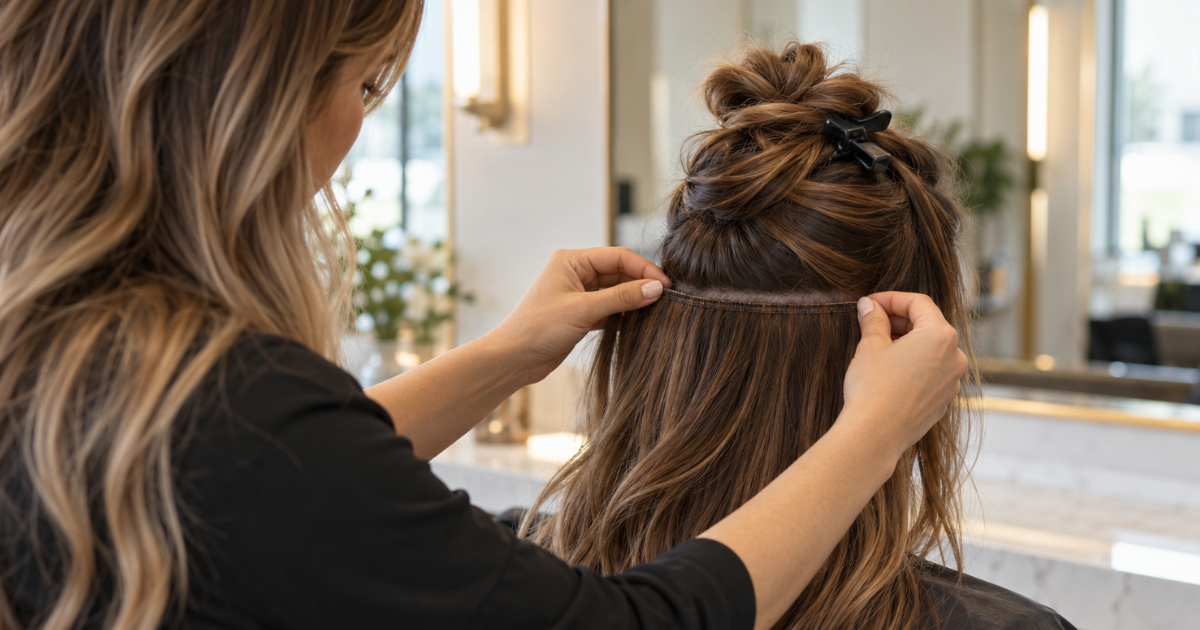
A Hair extension technician can help create the fullness, movement, and length behind today’s most convincing transformations, but the best work is often designed to go unnoticed.
The latest extension trend is not simply longer hair. It is hair that looks balanced from every angle, moves naturally, and still suits the client’s everyday routine. Extensions may fill sparse-looking ends, support the shape of a haircut, add a few inches, or create dimensional color without lightening every natural strand.
Achieving that subtle finish requires more than ordering hair in a similar shade. It depends on assessment, placement, color matching, texture selection, blending, maintenance, and safe removal. Before committing to a transformation, it helps to understand what each part of the process contributes.
Beauty content tends to make attachment methods the headline. Tape-ins, sew-ins, wefts, bonded extensions, and clip-ins all have devoted fans, but selecting a method before discussing the desired result puts the process backward.
Begin by deciding what you want the extensions to change:
The natural hair must then be considered. Density, strand thickness, texture, condition, length, chemical history, and sensitive areas can influence which options are appropriate. Lifestyle matters too. Someone who swims regularly, exercises daily, or dislikes blow-drying may need a different plan from a client who enjoys a detailed styling routine.
Arriving with beautifully styled hair may seem helpful, but a technician also needs to understand how it behaves under ordinary conditions. If possible, bring photographs showing the hair air-dried, straight, curled, and worn in your usual updo.
Share the complete service history, including lightener, permanent color, smoothing treatments, relaxers, previous extensions, and areas of recurring breakage. Be honest about how much time you are willing to spend washing, drying, brushing, and styling.
Professional preparation matters. The U.S. Bureau of Labor Statistics explains that hairstylists and cosmetologists complete state-approved education and licensing requirements, while many continue taking advanced courses as techniques and products evolve. Because extension systems can require specialized education beyond general cosmetology training, clients can reasonably ask what methods a technician has studied and regularly performs.
Matching extensions is closer to coordinating fabric than selecting a single paint color. The added hair must complement the natural color, texture, density, and movement.
Most natural hair contains several tones. It may be deeper at the root, warmer underneath, brighter near the face, or lighter through the ends. Combining extension shades can reproduce this variation more convincingly than using one solid color throughout the head.
Texture is equally important. Straight added hair placed beneath naturally wavy lengths may separate when air-dried. Very dense extensions can overwhelm fine natural hair, while insufficient extension hair can leave an obvious line between the natural perimeter and the added length.
If coloring is part of the plan, ask which hair will be colored and in what order. Natural and extension hair may respond differently to a formula. The U.S. Food and Drug Administration’s hair-dye guidance recommends following product directions and warnings, completing the instructed skin test, observing processing times, and never mixing different dye products. Previous reactions should always be disclosed before color is applied.
Attachments should support the intended shape without placing unnecessary weight on vulnerable areas. Thoughtful placement also allows the client to wear preferred hairstyles while keeping attachment points discreet.
A technician may adjust section size, number of rows, distribution, or distance from the hairline according to natural density. More hair is not automatically better. An installation can look luxurious while still using an amount that is proportionate to the client’s own hair.
Comfort provides important feedback. Mild awareness of a new installation may be expected, but persistent pain, headaches, stinging, or pronounced tenderness should not be treated as normal. The American Academy of Dermatology advises clients to speak up when extensions or weaves feel painful or excessively tight.
Repeated tension can contribute to traction alopecia. According to the AAD’s information about hairstyles that pull, warning signs can include broken hairs, a receding hairline, patches of hair loss, tenderness, stinging, crusting, and bumps. An uncomfortable attachment should be assessed promptly rather than endured until the next scheduled maintenance visit.
Installation adds the hair, but cutting and styling make it believable. Without blending, the natural perimeter may sit like a visible shelf over the extensions.
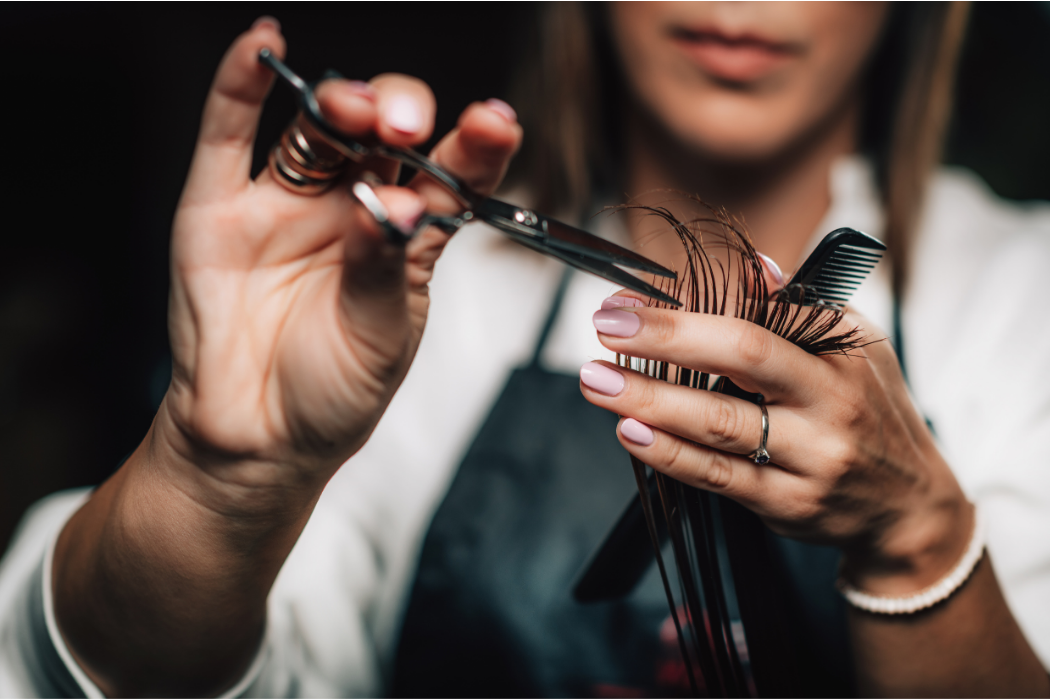
A blending cut can connect shorter layers, soften a blunt baseline, balance the front, and distribute movement through the added lengths. The amount removed depends on the desired shape and the starting haircut. This is why copying the placement from an online tutorial rarely produces a truly customized result.
Ask to see the finished hair from the back, sides, and front. It is also useful to check the blend with less styling. Extensions that appear seamless only after elaborate curls may look noticeably separate when worn straight or air-dried.
The maintenance conversation belongs before installation, not after the final reveal. Different systems have different instructions, so guidance from the installing professional should take priority over generic social media advice.
A practical routine may include:
The AAD’s healthy-hair recommendations include choosing products for the individual hair type, shampooing primarily at the scalp, conditioning after washing, handling wet hair gently, and limiting excessive heat. A technician can adapt these fundamentals to the selected extension system.
A responsible extension plan includes an exit strategy. Tape, thread, beads, bonds, and clips require different removal techniques. Improvised removal with household tools, excessive force, or an unsuitable solvent can turn a routine service into avoidable breakage.
Some shed hairs remain held within an attachment until it is removed. Seeing several weeks of normal shedding at once can appear dramatic. However, sudden thinning, bald patches, inflammation, persistent itching, or continued hair loss should not automatically be blamed on routine shedding.
MedlinePlus lists many potential causes of hair loss, including heredity, illness, stress, medications, nutritional factors, thyroid conditions, and excessive tension. A salon professional can observe visible changes, but unexplained loss or ongoing scalp symptoms should be evaluated by an appropriate healthcare professional.
Transformation videos are fun, but a short clip rarely shows the entire process. The consultation, color preparation, installation time, blending cut, maintenance schedule, and removal cost can disappear between the “before” and “after” frames.
When reviewing a technician’s portfolio, look beyond dramatic length. Useful galleries include clients with varied textures and densities, close views of the blend, multiple angles, and results after maintenance. Pay attention to whether the amount of added hair appears balanced with the client’s natural density.
Be equally thoughtful about influencer promotions and absolute claims. The Federal Trade Commission’s endorsement guidance explains that material relationships between brands and endorsers should be clearly disclosed. A glowing post may still provide inspiration, but sponsorship, gifted services, filters, lighting, and styling can affect how the result is presented.
Clean tools, organized work areas, proper storage, and responsible product handling are part of technical quality. In Bayonne, licensed professionals and establishments operate under the rules overseen by the New Jersey State Board of Cosmetology and Hairstyling.
Clients do not need to memorize regulations, but they can notice whether clean and used tools are separated, reusable implements are handled consistently, and the workspace is prepared between guests. A fashionable result should never require overlooking basic professional practices.
Teezerz Salon offers customized extension services at its Bayonne, New Jersey location. Its published extension menu includes tape-in, sew-in, and temporary clip-in options, with consultations used to determine an appropriate solution for the desired length and volume.
That range is useful because different goals do not require identical installations. Clip-ins may suit occasional styling, while someone seeking ongoing fullness may discuss a professionally maintained option. The right choice should reflect the natural hair, intended result, lifestyle, and willingness to follow the required care schedule.
The invisible extension trend is not really about hiding every attachment. It is about creating a result so well planned that the added hair feels visually connected to the person wearing it. When consultation, proportion, comfortable placement, thoughtful blending, and realistic care come together, extensions can enhance a style without becoming the only thing anyone notices.