Hair Extensions in Greene: More Volume, Your Way
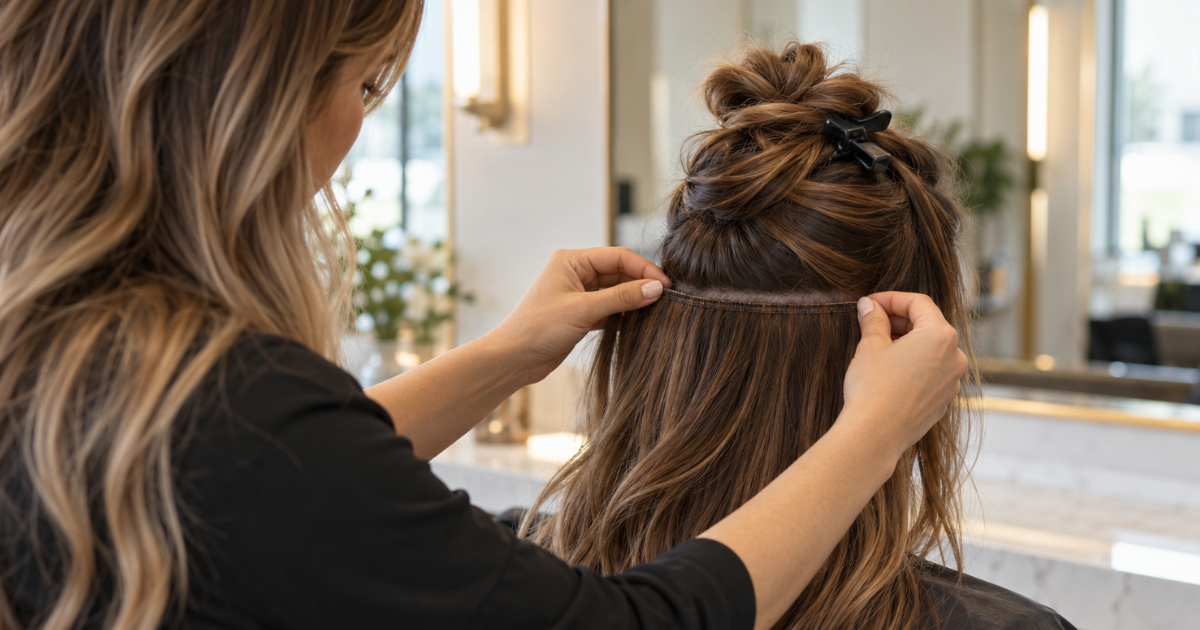
The best hair extensions in Greene, ME should do more than add inches—they should complement your natural texture, support your styling goals, and fit comfortably…

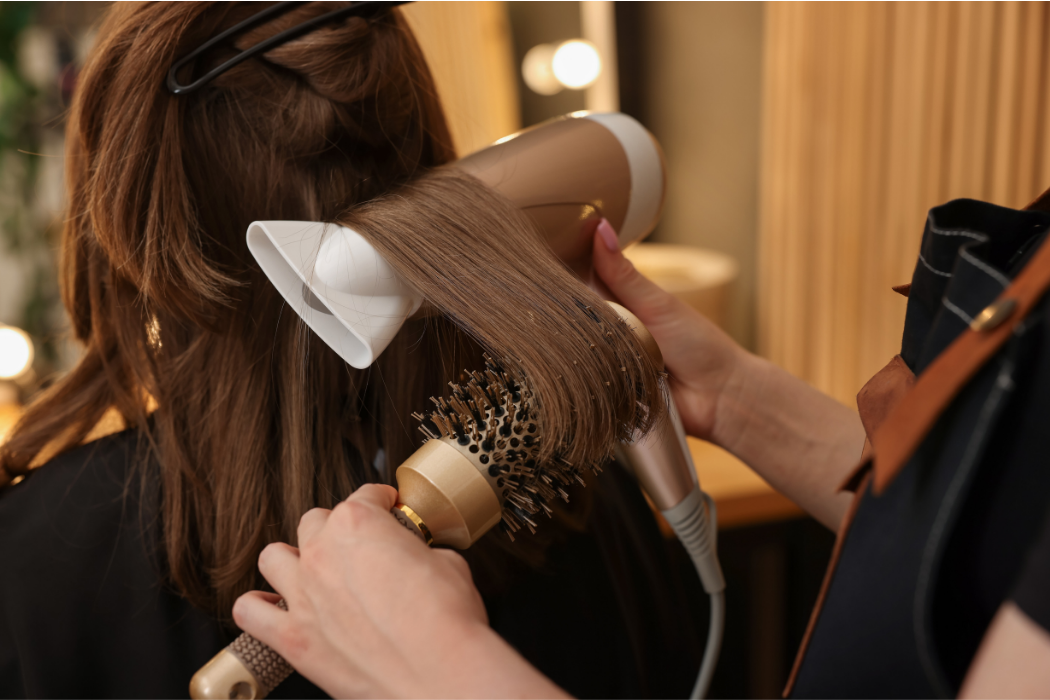
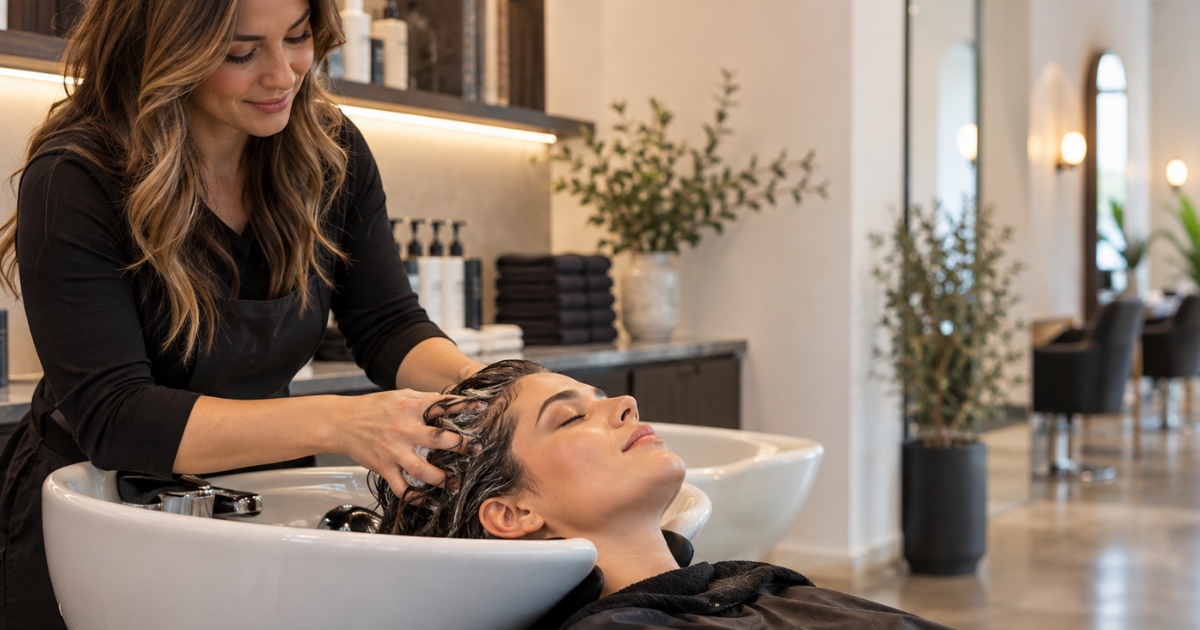
A Hair salon visit delivers better long-term results when color, cuts, skincare, waxing, nails, and restorative services are planned as parts of one realistic routine.
Beauty trends can make a complete refresh look wonderfully effortless. Social media often compresses several services into a single montage, then jumps straight to glossy hair, glowing skin, and a flawless manicure. Real life requires a little more thought.
Trying a new color, unfamiliar facial, intensive exfoliation, and fresh waxing immediately before an important occasion leaves little room for adjustments. A smarter maintenance calendar gives each professional time to assess your needs and allows you to see how your hair or skin responds.
Before scheduling anything, decide what you want the overall refresh to accomplish. You may want a dramatic transformation, but you might simply be looking for softer color, easier styling, calmer skin, tidy nails, and time to relax.
Ask yourself a few practical questions:
This quick reality check makes it easier to prioritize. It also prevents a beauty reset from becoming an exhausting list of treatments you never wanted in the first place.
Hair color usually deserves an early place on the calendar because the starting condition influences what can be achieved. Existing artificial pigment, lightened ends, texture, porosity, and recent chemical services can all affect the plan.
A consultation is particularly valuable when you are requesting color correction, significant lightening, dimensional balayage, extensions, or a major change in length. Bring reference photographs, but explain which details appeal to you. One image may represent several separate preferences, including tone, contrast, movement, volume, or finish.
The American Academy of Dermatology’s guidance on coloring and perming notes that dramatic lightening can be more damaging than staying closer to the natural shade. This does not mean every ambitious color goal is impossible. It means the condition of the hair and the distance between the starting point and desired result should guide the process.
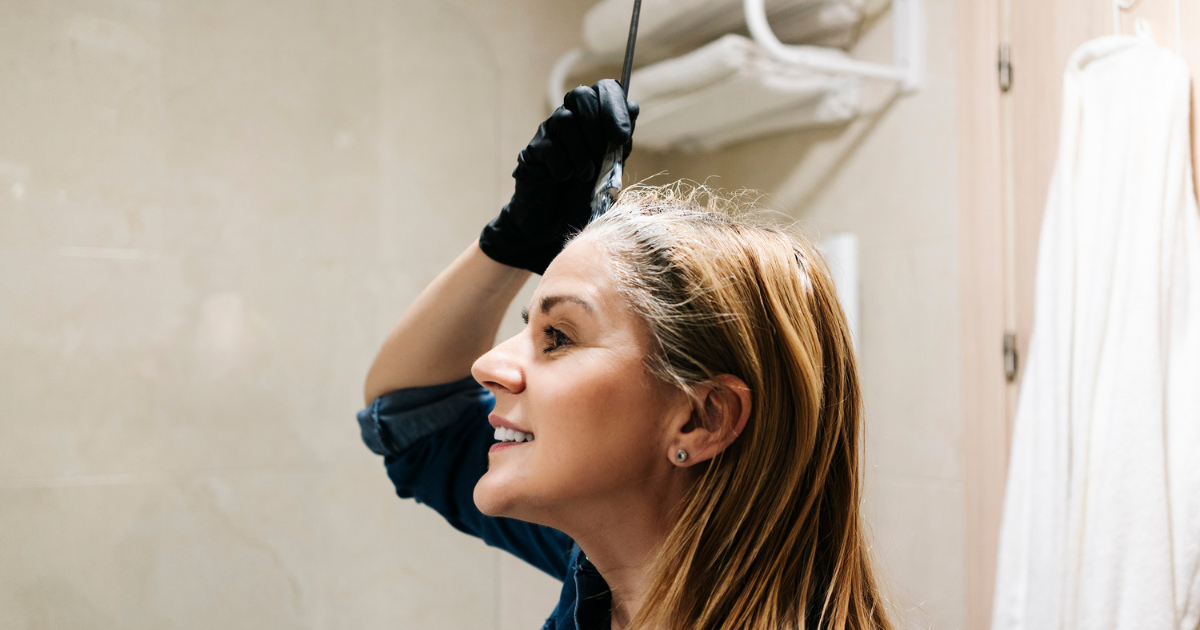
Safety deserves equal attention. The U.S. Food and Drug Administration’s hair-dye precautions include following warnings, observing processing times, completing the instructed skin test, wearing gloves, and never mixing different dye products.
If you have experienced a previous reaction, mention it before the service. A history of sensitivity is more useful to the professional before a formula is mixed than after discomfort begins.
The trend toward highly active skincare can create the impression that more exfoliation always produces more glow. In reality, several strong products or treatments layered together may cause dryness, irritation, or sensitivity.
A facial consultation should cover your usual routine, current concerns, prescription products, recent procedures, allergies, and upcoming plans. Be specific about retinoids, exfoliating acids, acne treatments, and any product that has recently caused stinging or peeling.
The American Academy of Dermatology recommends matching exfoliation to skin type and existing products. Its guidance also warns that aggressive exfoliation may worsen dryness, redness, or breakouts in some people.
When trying a facial for the first time, avoid treating the service like an emergency makeover. An esthetician can recommend a cosmetic treatment based on visible skin and the information you provide, but persistent rashes, painful acne, unexplained changes, or suspected infections belong with an appropriate medical professional.
Waxing and active skincare require particularly clear communication. The AAD’s waxing guidance advises against waxing sunburned or very sensitive skin. It also recommends avoiding retinol and prescription retinoids for a period before facial waxing and warns against waxing after recent isotretinoin use.
Do not stop a prescribed medication without guidance from the clinician who prescribed it. Instead, tell the waxing professional exactly what you use and ask the appropriate healthcare provider how cosmetic hair removal fits into your treatment plan.
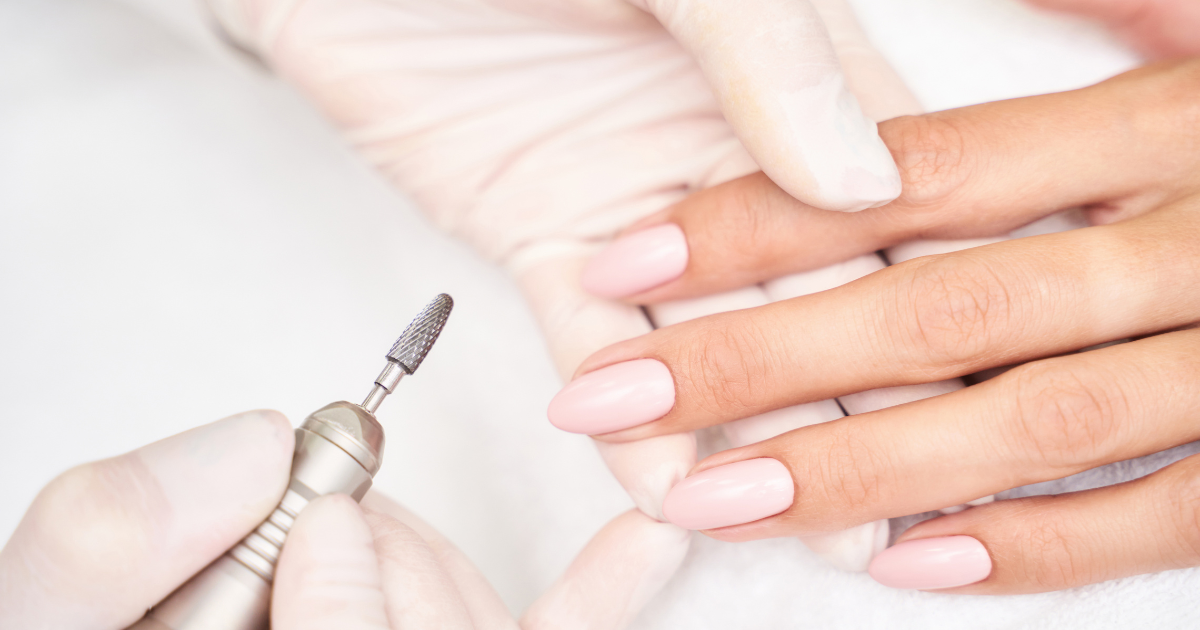
A manicure or pedicure can provide the satisfying finishing touch to a beauty reset. It is also a service where cleanliness, gentle technique, and honest disclosure matter.
The American Academy of Dermatology’s manicure and pedicure safety advice recommends practices such as avoiding cuticle cutting, checking that tools are properly cleaned, and postponing a pedicure when there are open wounds or infections.
If a nail is painful, discolored, separating, or changing without an obvious explanation, covering it with polish may hide information that deserves attention. Ask whether the service should proceed and seek medical evaluation when appropriate.
Professional sanitation is not just a visual impression. Indiana’s sanitary and equipment requirements for beauty establishments address areas such as cleaning, disinfection, storage, linens, and facility conditions. Clients should feel comfortable asking how reusable tools are processed and how single-use materials are discarded.
Massage can be a lovely way to place genuine rest inside a busy beauty calendar. It may help some people relax and can be useful for certain types of short-term discomfort, but it should not be described as a universal treatment for illness.
The National Center for Complementary and Integrative Health summarizes current evidence, possible benefits, safety considerations, and circumstances that require caution.
Tell the massage therapist about pregnancy, recent surgery, injuries, blood-clotting concerns, fragile bones, skin problems, or other relevant health conditions. You should also discuss preferred pressure. Deep pressure is not automatically more effective, and discomfort does not need to be endured to make a session worthwhile.
The most polished beauty trend is difficult to maintain when the home routine works against it. Fortunately, effective care does not require an overflowing cabinet.
A manageable routine might include:
Sun protection remains important even when skincare trends change. The AAD recommends selecting a broad-spectrum, water-resistant sunscreen with SPF 30 or higher. Application and reapplication still matter, so sunscreen should be treated as a habit rather than a finishing product reserved for vacations.
For people who prefer to coordinate several parts of their routine in one place, State of Mind Salon & Day Spa offers hair and spa services in Crown Point, Indiana. Its published menu includes haircuts, dimensional color, extensions, facials, massage, waxing, manicures, pedicures, bridal services, and customizable spa experiences.
The salon describes personalized consultation and continuing education as central parts of its approach. Hair consultations consider texture, facial features, lifestyle, and maintenance preferences, while facial services begin with an assessment of the skin. That emphasis is useful because coordination should mean more than placing several services on the same receipt. Each recommendation should still reflect the individual.
A full-service setting may also simplify communication when one treatment could affect another. Even so, clients should disclose medications, sensitivities, recent procedures, and relevant medical conditions to every provider involved.
There is no universal schedule for every person or service, but this sequence can help you organize an upcoming refresh:
Your providers may recommend a different order based on the treatments selected, your service history, and your health. Their specific guidance should take priority over a general online calendar.
A successful refresh should fit your ordinary life after the excitement of the reveal fades. The hair should be manageable, the skincare plan should be understandable, and every recommended product should have a clear purpose.
Beauty planning works best when it leaves room for professional judgment, honest questions, and your own comfort. By coordinating services instead of chasing every trend at once, you can create a polished result that feels personal, practical, and enjoyable to maintain.