Hair Extensions in Greene: More Volume, Your Way
The best hair extensions in Greene, ME should do more than add inches—they should complement your natural texture, support your styling goals, and fit comfortably…

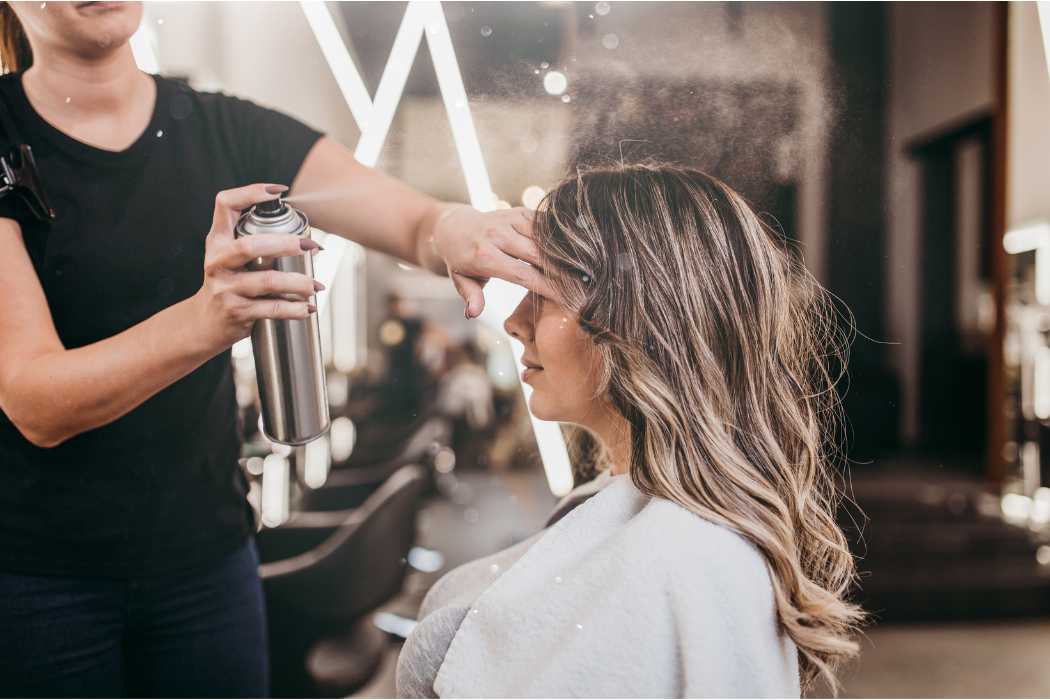
A Hair salon can help transform a saved photo or passing trend into a personalized look that works with your texture, routine, budget, and willingness to maintain it.
Hair inspiration is everywhere. One scroll can introduce you to butterfly layers, dimensional brunettes, copper tones, glossy bobs, blended blondes, and extensions that seem completely undetectable. The tricky part is deciding which ideas will still feel good after the first wash.
The smartest beauty trend is not a particular cut or color. It is choosing hair that fits your real life. That requires translating the mood of an inspiration photo rather than trying to reproduce every detail exactly.
A photo can communicate more quickly than a long explanation, but it rarely tells the complete story. Lighting, filters, styling products, extensions, and the model’s natural density may all contribute to the result.
Bring several references instead of relying on one perfect image. Point out the specific details you like, such as the brightness around the face, the softness of the layers, or the contrast between the roots and ends.
It is equally useful to show what you do not want. A stylist can then identify the common thread and adapt it to your features and starting point.
The U.S. Bureau of Labor Statistics describes consultation, hair and scalp analysis, and home-care advice as standard responsibilities of hairstylists and cosmetologists. That conversation is not a formality. It is where an appealing idea becomes a practical plan.
Not every refresh needs to be a dramatic transformation. Decide how much change you actually want before focusing on a particular technique.
Think about the weeks after the salon visit. If you prefer air-drying, a look that requires round-brush styling every morning may become frustrating. If you visit the salon only a few times a year, a soft grow-out will probably be more comfortable than a high-contrast root.
There is no wrong maintenance level. Problems begin when the maintenance requirements remain hidden until after the service.
Layers, shape, and weight distribution can create movement without requiring a shelf full of products. The best haircut considers texture, density, growth patterns, face shape, and normal styling habits together.
A freshly styled salon finish shows one version of a haircut. Ask what the shape will do when air-dried, worn curly, pulled back, or slept on overnight.
Someone with thick hair may want strategic weight removal, while fine hair may benefit from preserving fullness around the perimeter. Curly and coily textures may need additional consultation and cutting time so the stylist can account for shrinkage, pattern variation, and density.
Protecting the result at home matters as well. The American Academy of Dermatology recommends limiting excessive heat and avoiding hairstyles that continuously pull on the hair. A fashionable cut should make daily care easier, not require damaging habits to look presentable.
Color trends are easier to understand when you stop thinking only in terms of shade names. Two people can request “caramel balayage” and want completely different results.
During the consultation, discuss four elements:
The starting condition determines how quickly the goal can be reached. Previously colored hair, especially hair treated with dark at-home dye, may react differently from untouched hair. Some transformations are better divided into stages.
The American Academy of Dermatology notes that substantial lightening generally requires stronger peroxide and can cause more damage. Preserving hair quality may mean accepting a softer first session or adjusting the target shade.
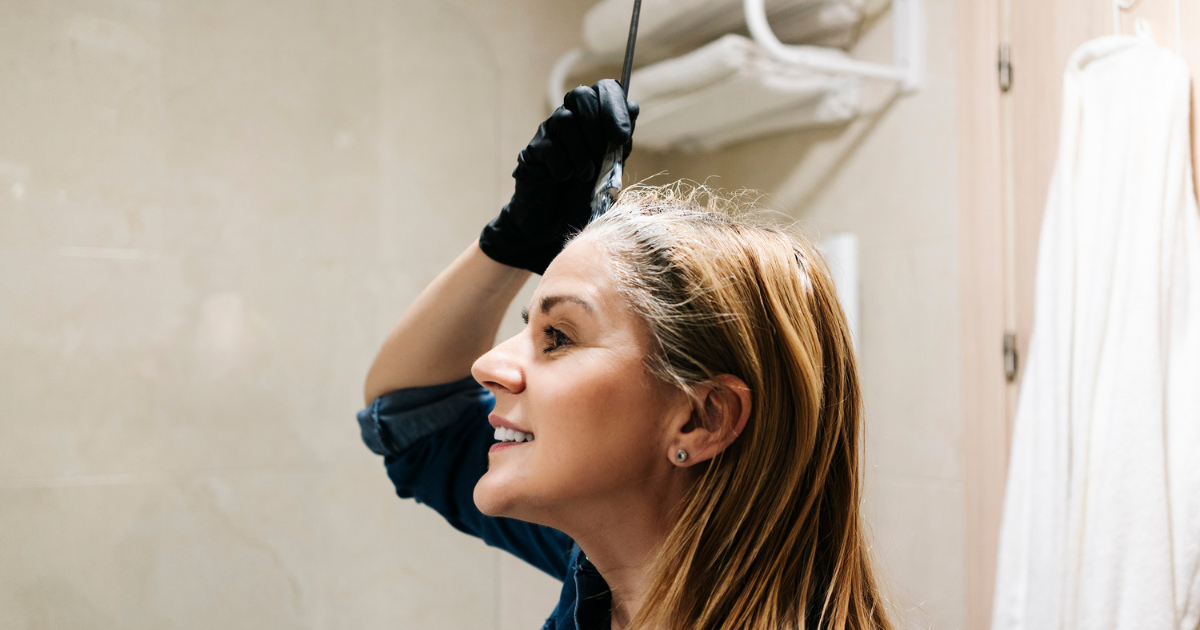
Color safety also deserves attention. The U.S. Food and Drug Administration advises following product warnings and completing the instructed patch test before every hair-dye application. Previous use without a reaction does not guarantee future tolerance.
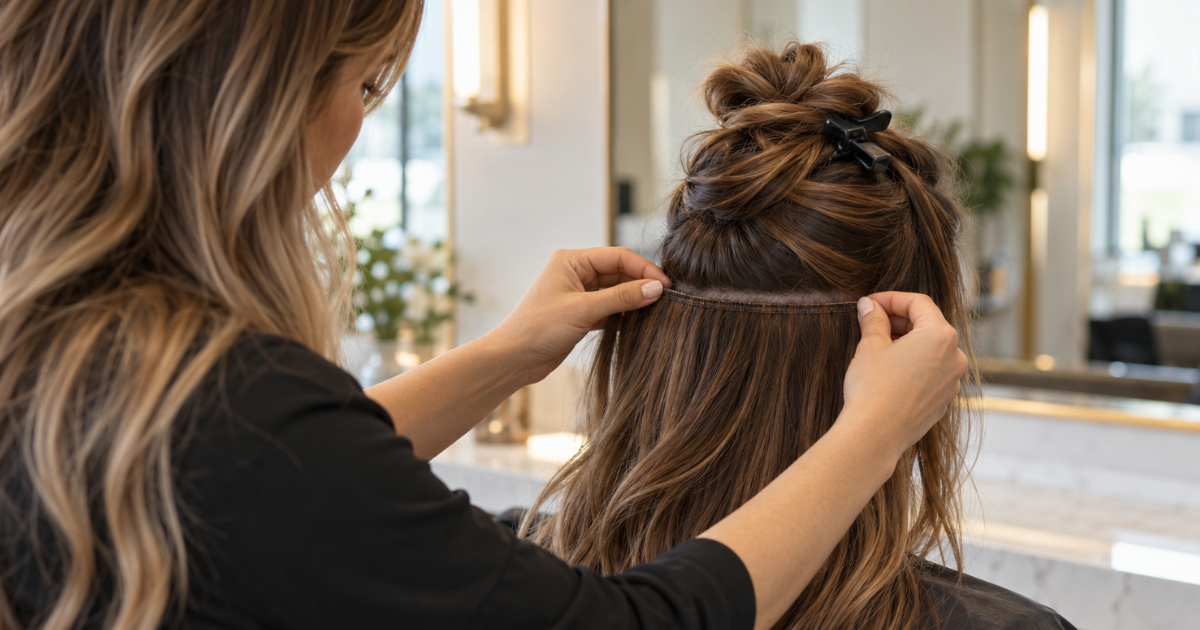
Extensions are becoming less about an obvious transformation and more about strategic customization. They can add fullness near the sides, strengthen the visual perimeter of a haircut, introduce color without lightening natural hair, or create length for a special look.
Wefts, tape-ins, keratin tips, and individual-tip systems differ in attachment, movement, installation time, and maintenance. The right method depends on natural density, lifestyle, styling preferences, and the desired result.
Ask about the entire ownership experience, including:
Extensions should not remain painful. The American Academy of Dermatology warns that repeated pulling from tight extensions can contribute to breakage and traction-related hair loss. Headaches, soreness, bumps, or persistent tightness should be discussed promptly.
Words such as repair, hydration, detox, strength, and shine are often used interchangeably, but they describe different cosmetic goals.
Dry hair may benefit from conditioning and moisture-focused care. Hair affected by lightening or heat may need a strengthening or bond-focused treatment. Heavy product buildup may call for cleansing, while dull color may look fresher after a gloss.
Before adding a treatment, ask:
A salon treatment can improve manageability and appearance, but it cannot diagnose unexplained shedding, scalp lesions, or sudden hair loss. Those concerns should be evaluated by a qualified healthcare professional.
Product-specific questions are especially important with smoothing services. The Occupational Safety and Health Administration provides information about possible formaldehyde exposure from certain hair-smoothing products. Consumers can ask what formula will be used and which ventilation and handling precautions apply.
Salon pricing can vary with service time, stylist experience, hair length, density, technique, and product use. Transparency does not require every person to pay the same amount. It means clients can understand what determines the total.
Before a major service, confirm:
This conversation prevents a common beauty disappointment: loving the idea but discovering that its ongoing cost or schedule does not fit comfortably into everyday life.
Beauty consumers increasingly care about environmental impact, but broad words such as clean, green, or natural do not provide much information by themselves.
Ask what a salon’s environmental practices look like in daily operations. Relevant topics may include measured product use, concentrated formulas, refill systems, waste reduction, responsible purchasing, or recycling programs.
For household products, the U.S. Environmental Protection Agency’s Safer Choice program offers an example of a defined standard that evaluates ingredients against human-health and environmental criteria. It also illustrates why a recognized certification is more informative than an unsupported marketing phrase.
Zandi K Salon in Lakewood, Colorado, presents a service menu designed around customization. Its published offerings include haircuts for different textures and densities, dimensional and corrective color, glosses, scalp and conditioning treatments, bridal services, and several Bellami extension methods.
The Aveda lifestyle salon also uses stylist levels and a product-measuring system for color pricing. Its haircut menu distinguishes between routine maintenance and extended services for thick, long, curly, coily, or significantly changing hair. That distinction gives guests a practical reason to consider time as part of service selection.
For extensions, the salon lists weft, tape-in, keratin-tip, and individual-tip options, along with consultation and maintenance guidance. Guests should confirm current pricing, suitability, availability, and service requirements directly with the salon.
Colorado consumers who want to research professional requirements can also visit the state’s Barber and Cosmetology licensing information.
A successful salon result should look appealing on day one and remain manageable in the weeks that follow. That happens when inspiration, professional assessment, hair condition, maintenance, and budget are considered together.
Trends can provide the spark, but personalization makes them wearable. The best version of any look is the one that feels natural to maintain, supports the condition of your hair, and still feels unmistakably like you.