Hair Extensions in Greene: More Volume, Your Way
The best hair extensions in Greene, ME should do more than add inches—they should complement your natural texture, support your styling goals, and fit comfortably…

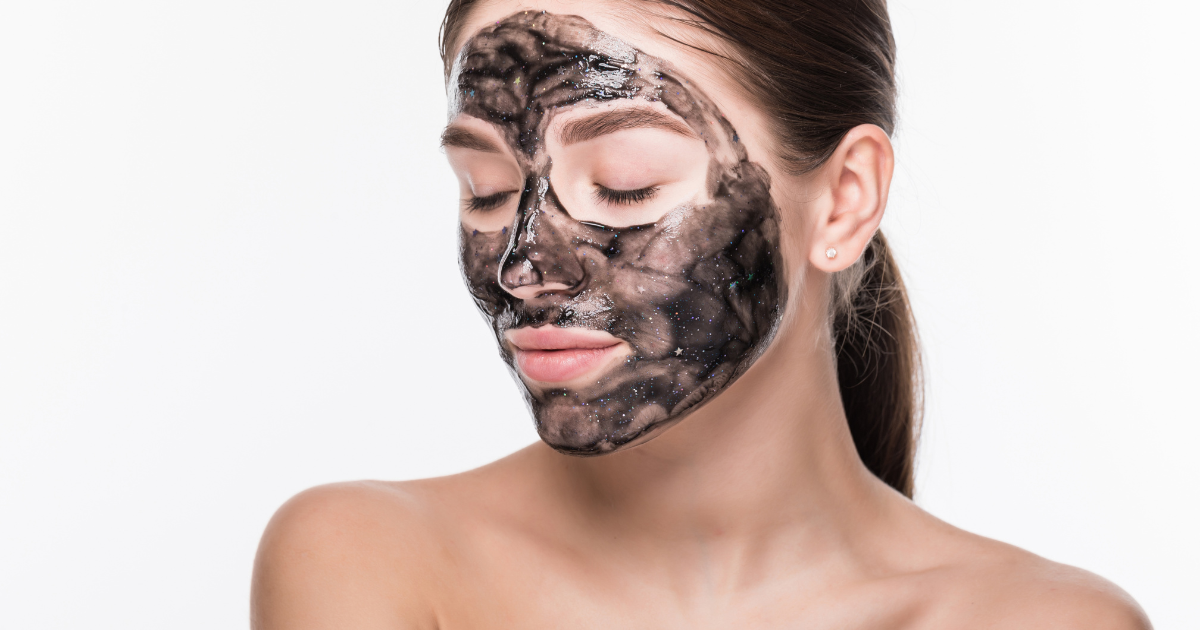
Chemical peels in Pigeon Forge TN can refresh dull-looking skin, improve uneven texture, and support a brighter complexion, but the best experience begins with selecting the right peel depth for your skin and lifestyle.
Chemical peels have become one of the most talked-about treatments in modern skincare, and it is easy to understand why. Instead of covering rough texture or uneven tone with another layer of makeup, a professionally selected peel exfoliates the skin and encourages a fresher-looking surface.
That does not mean every peel should be intense. Some of the most popular treatments are light, customized peels designed for gentle exfoliation with little visible flaking. Medium-depth options provide more substantial resurfacing but require careful preparation, realistic expectations, and dedicated aftercare.
A chemical peel involves applying a carefully selected solution to the skin for a controlled amount of time. The solution exfoliates layers of the skin at a depth determined by the ingredients, concentration, application technique, and treatment plan.
The American Academy of Dermatology explains that chemical peels may be used to improve the appearance of concerns such as uneven tone, dullness, rough texture, fine lines, certain types of acne, discoloration, and sun-damaged skin.
A peel may be considered for concerns that include:
Results depend on the peel selected, the client’s skin, the number of treatments completed, and the consistency of home care. A chemical peel should not be treated as an instant cure for every concern.
The word “peel” can sound intimidating, but treatment intensity varies considerably. Understanding the difference between light and medium-depth peels makes planning much easier.
A light peel works primarily within the skin’s outermost layers. It may be selected for a first-time client, someone with mild concerns, or anyone who wants a refreshed appearance without planning for significant visible peeling.
After a light peel, the skin may appear brighter and feel smoother. Some clients experience little to no visible peeling, while others notice mild dryness or flaking. The absence of dramatic shedding does not automatically mean the treatment was ineffective.
Light peels may be appropriate when the goal is to:
The Cleveland Clinic notes that superficial peels may use alpha hydroxy acids such as glycolic or lactic acid. Improvements can be subtle at first and may become more noticeable through a professionally planned series.
A medium-depth peel reaches farther into the skin and is generally selected for more advanced concerns. It may be used when the goal is to address more visible pigmentation, uneven texture, fine lines, acne-related marks, or signs of sun exposure.
This treatment comes with more recovery than a light peel. Redness, tightness, dryness, flaking, and visible peeling may occur as the skin renews. The exact response varies according to the formula, peel depth, skin preparation, and individual sensitivity.
Deeper does not automatically mean better. A medium-depth peel is only a good option when the client is an appropriate candidate, the skin has been properly prepared, and the person can follow all aftercare requirements.
A good chemical-peel experience actually begins before the appointment. The provider may recommend a specific home-care routine to improve the condition of the skin and help it respond more predictably.
Pre-peel instructions may include temporarily adjusting products that contain retinoids, exfoliating acids, scrubs, benzoyl peroxide, or other potentially irritating ingredients. Do not stop a prescription without first speaking with the prescribing medical professional.
Your consultation should cover:
Clients with darker skin tones can receive certain chemical peels, but provider experience and careful selection are especially important because inappropriate treatment may increase the risk of unwanted pigment changes. The AAD’s chemical-peel guidance recommends working with a professional who understands how to treat the client’s skin tone safely.
Southern Strandz Salon & Spa offers customized light and medium-depth chemical peels at its Pigeon Forge location. Its service menu distinguishes between gentle superficial exfoliation and more intensive resurfacing for advanced concerns.
The custom light peel includes a double cleanse, a peel selected for the client’s concerns, and finishing products. It is presented as a starting point for first-time peel clients or anyone who prefers minimal downtime.
The custom medium-depth peel is intended for established clients seeking more intensive correction. Southern Strandz requires new clients to begin with a personalized skin assessment or custom corrective facial. Clients must also establish an approved home-care routine before receiving a peel.
This preparation requirement makes sense because the success of a peel depends on more than the solution used during the appointment. The skin’s starting condition, daily products, sun exposure, and post-treatment behavior can all influence the outcome.
Sensation varies according to the peel formula and depth. During application, clients may notice tingling, warmth, or a mild prickling feeling. More intensive peels can feel stronger, which is why the provider should monitor the skin throughout the service.
After treatment, the skin may look brighter and feel tight or dry. Flaking often begins a few days later rather than immediately. With medium-depth services, Southern Strandz advises clients that mild to moderate peeling may occur over approximately five to seven days.
Contact the provider if you experience severe or increasing pain, extensive swelling, blistering, signs of infection, or another reaction that does not match the aftercare information you received.
Visible flakes can be tempting, but pulling them away may injure skin that is not ready to detach. Let the peeling process happen naturally and use only the cleanser and moisturizer approved by your provider.
Retinoids, exfoliating acids, scrubs, and other potent products may be too irritating immediately after a peel. Follow the provider’s instructions about when each product can be safely reintroduced.
Freshly treated skin can be more vulnerable to ultraviolet exposure. Avoid unnecessary sun, wear protective clothing, and use the recommended broad-spectrum sunscreen.
The American Society for Dermatologic Surgery warns that sun exposure after a chemical peel may increase the risk of unwanted side effects. Protecting the skin also helps maintain the improvement achieved through treatment.
The safe timing for makeup depends on peel depth and how the skin is healing. Applying cosmetics too soon may irritate sensitive skin. Use clean tools and follow the provider’s instructions rather than trying to cover every flake.
After a peel is not the time to test a new serum, cleansing brush, or viral exfoliating product. A gentle cleanser, approved moisturizer, and sun protection are often the foundation of recovery.
Professional chemical peels should not be confused with mild exfoliating products sold for ordinary home use. High-concentration peel solutions purchased online can cause serious injuries when applied without proper training and supervision.
The U.S. Food and Drug Administration has warned consumers against using certain chemical-peel products without professional supervision. Concentrated acids can cause chemical burns, infection, swelling, scarring, and lasting changes in skin color.
Mixing acids, leaving a product on longer, or applying multiple layers will not create faster or better results. With chemical exfoliation, more aggressive treatment can create more risk rather than more glow.
Southern Strandz lists several optional enhancements for its chemical-peel services. Dermaplaning removes surface buildup and fine facial hair with a sterile blade, although it may not be suitable for inflamed skin.
Glacial Glide uses controlled cooling with a nourishing mask and is offered to help calm the skin following treatment. Sheet-mask options provide a cooling and hydrating finishing step. Suitability should still be determined during the consultation because layering multiple treatments is not appropriate for every client.
A single light peel may leave the skin looking refreshed, but more noticeable correction often requires a series. Southern Strandz generally recommends a personalized series based on skin type, concerns, peel depth, and response to treatment.
The Cleveland Clinic’s medical overview emphasizes that recovery time and potential risks increase with peel depth. Treatment frequency should therefore be determined by a qualified provider instead of copied from someone else’s skincare schedule.
Consumers may also use Tennessee’s official professional license verification system to review applicable credentials.
Chemical peels can be a smart addition to a skincare routine when they are selected carefully and supported by consistent home care. A light peel may be perfect for a gentle refresh, while a medium-depth treatment may suit someone prepared for more intensive resurfacing and visible recovery.
The goal should never be to create the most peeling possible. The goal is controlled exfoliation that respects your skin tone, sensitivity, current condition, and long-term priorities.
Start with an honest consultation, follow the preparation plan, and protect your skin during recovery. That combination is far more valuable than chasing the strongest treatment or trying to recreate a professional peel at home.