Massage Therapy in New Port Richey, FL: The Beauty Reset
Massage therapy in New Port Richey, FL is becoming a popular addition to beauty routines because feeling refreshed can be just as important as looking…

Waxing and sugaring in Lexington, KY offer convenient alternatives to daily shaving for people who want smoother-looking skin and a beauty routine with less frequent maintenance.
Professional hair removal is no longer limited to brows and bikini lines. Modern service menus may include the face, underarms, arms, legs, back, chest, shoulders, and other areas. At the same time, guests are becoming more thoughtful about the products used, how the skin is prepared, and what aftercare is needed.
Waxing and sugaring are similar in purpose, but they are not identical. Understanding the experience, timing, and maintenance involved can help you choose a service that fits your skin and routine.
Waxing removes hair from the root by applying a wax product to the skin and lifting it away with the hair. The specific product and technique may vary according to the treatment area, hair texture, and provider.
Because the hair is removed from the root rather than cut at the surface, the results generally last longer than shaving. Regrowth timing varies because individual hairs do not all follow the same growth cycle.
Waxing may be used for smaller areas, such as the brows, lip, chin, and ears, as well as larger areas, including the arms, legs, back, chest, shoulders, underarms, and bikini area.
The American Academy of Dermatology provides an overview of common hair-removal methods and explains that each option has different benefits, limitations, and possible side effects.
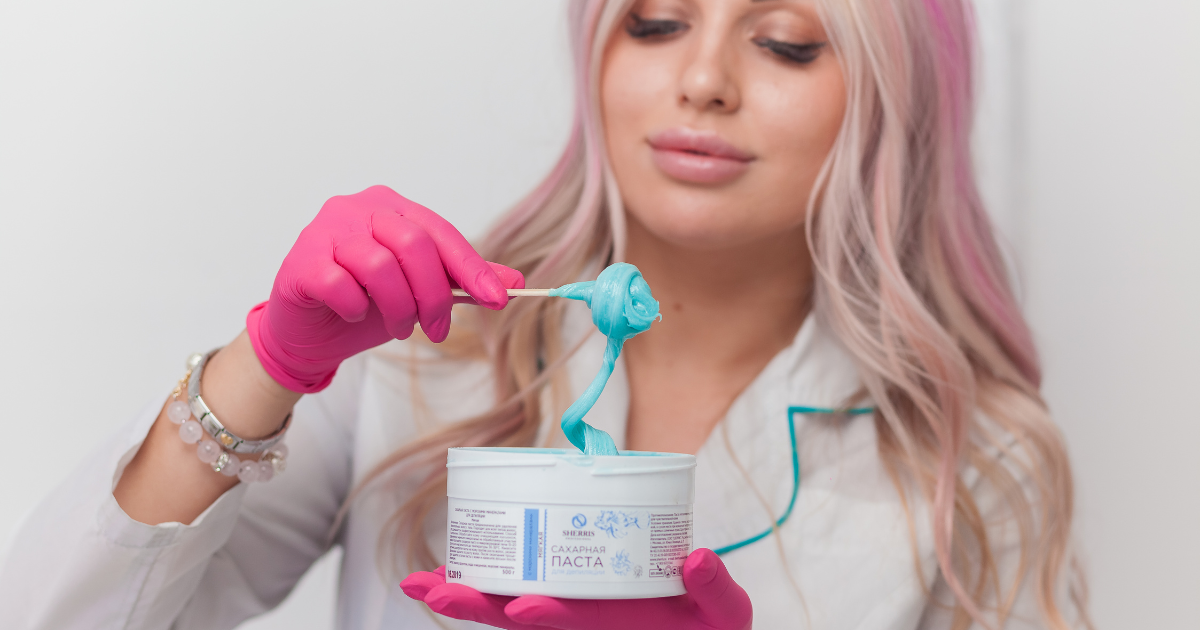
Sugaring is another root-level hair-removal method. A sugar-based paste is applied and removed using a specialized technique. Some guests prefer the texture or process, while others simply find that one method works better for a particular area.
Neither method is automatically ideal for every person. Skin sensitivity, hair texture, treatment area, previous reactions, and current skincare products can all influence the experience.
If you are uncertain which option to choose, ask the provider:
Wax and sugaring paste need enough hair to grip effectively. Hair that is too short may be difficult to remove, while excessively long hair may make the appointment less comfortable.
Follow the salon’s preparation instructions rather than trimming immediately before the service. If you have been shaving, ask how long you should wait before booking.
Growth cycles also affect the result. Your first appointment may not capture every hair at the same stage. More consistent timing can help future appointments align with your natural regrowth pattern.
The goal before hair removal is clean, calm skin—not skin that has been aggressively scrubbed. Avoid experimenting with unfamiliar products or strong exfoliation immediately before the appointment.
In the days leading up to the service:
Some skincare ingredients can make the skin more sensitive. Always tell the provider what you use, especially when booking facial waxing.
The American Academy of Dermatology recommends testing new skincare products before incorporating them fully into a routine. Introducing a new product immediately before hair removal can make it harder to identify the source of a reaction.
Brow, lip, chin, and full-face waxing can create a polished result, but facial skin is often exposed to active skincare ingredients. Retinoids, exfoliating acids, acne treatments, and recent cosmetic procedures may affect whether waxing is appropriate.
Do not assume that a product is irrelevant because it was applied the previous evening. Share your complete routine and allow the professional to determine whether the appointment should proceed, be modified, or be postponed.
Redness immediately after facial hair removal can occur, but severe pain, blistering, or removal of the skin surface is not an expected beauty result. Speak up immediately if the service feels unusually hot or painful.
It is normal to feel nervous before an intimate hair-removal appointment, especially if it is your first one. A professional provider should explain positioning, protect your privacy, and tell you what will happen before the service begins.
Bikini services may vary in how much hair is removed. Confirm exactly what is included when booking so the scheduled appointment matches your expectations.
Wear comfortable clothing afterward and follow the salon’s aftercare instructions. Friction, heat, and heavy sweating may irritate freshly treated skin, so timing the appointment around workouts, swimming, travel, or special events can be helpful.
Professional hair removal is increasingly treated as a personal grooming choice rather than a gendered service. Back, chest, shoulder, ear, and brow waxing may appeal to anyone who wants a neater appearance or less frequent shaving.
Hair density and texture can affect appointment time and comfort. First-time guests should be clear about the area they want treated and ask whether trimming or other preparation is recommended.
A consultation also gives the provider an opportunity to identify visible irritation, cuts, or other concerns that may require postponing the appointment.
Freshly treated skin may appear pink or feel temporarily sensitive. Aftercare should focus on keeping the area clean and avoiding unnecessary irritation.
General recommendations may include:
Do not begin scrubbing the skin immediately in an attempt to prevent ingrown hairs. Exfoliation introduced too early may add irritation. Ask when and how it should be resumed.
An ingrown hair occurs when hair grows back into the skin rather than rising normally from the follicle. It may create a small bump, redness, tenderness, or inflammation.
The Cleveland Clinic explains that ingrown hairs are more common in areas where hair is removed and among people with coarse or curly hair.
Avoid digging into the skin with tweezers or needles. Picking can increase irritation and may introduce bacteria. Persistent, painful, or worsening bumps should be assessed by an appropriate healthcare professional.
Temporary redness is different from increasing pain, spreading redness, drainage, or other signs that may indicate infection. Folliculitis is inflammation of the hair follicles and can have several causes.
MedlinePlus provides an overview of folliculitis, including common symptoms and situations in which medical care may be appropriate.
A salon professional can provide cosmetic aftercare guidance, but they should not diagnose a medical condition. Seek healthcare advice when symptoms are severe, persistent, or worsening.
Waxing and sugaring services may involve cleansers, powders, waxes, sugar paste, oils, soothing products, or other cosmetics. Guests with allergies or sensitive skin should ask what will be applied.
The U.S. Food and Drug Administration’s cosmetics safety guidance advises consumers to stop using a cosmetic product if a reaction occurs and seek medical attention when necessary.
Terms such as “natural” do not guarantee that a product cannot cause irritation. Even plant-derived or fragrance-containing products may be unsuitable for a particular person.
Contact dermatitis can occur when the skin reacts to an irritant or allergen. The American Academy of Dermatology explains the difference between irritant and allergic contact dermatitis and describes common symptoms.
Do not schedule your first waxing or sugaring appointment immediately before a wedding, vacation, photo session, or other important event. Skin responses vary, and first-time guests do not yet know how long temporary redness may last.
A trial appointment several weeks earlier can help you understand the process and aftercare. It also gives you an opportunity to determine which method and scheduling interval you prefer.
For regular maintenance, book according to the provider’s recommendation and your personal regrowth. Avoid shaving between appointments unless you intend to restart the growth cycle.
Posh Salon and Spa offers professional hair-removal services through its full salon and spa location on Richmond Road in Lexington. Its menu includes sugaring and waxing for the brows, lip, chin, face, ears, underarms, arms, legs, bikini area, back, chest, and shoulders.
The company operates two Lexington locations, but the Tates Creek location is hair-focused. Guests seeking waxing, sugaring, or other spa services should book with the Richmond Road salon and spa.
Consultations are provided before services so the treatment can be matched to the guest and the requested area.
Waxing and sugaring can both reduce the need for frequent shaving, but the best choice depends on the person. Skin condition, hair texture, treatment area, product preferences, and previous experiences should all be considered.
Prepare gently, disclose the products you use, and follow the professional’s aftercare instructions. Avoid picking at bumps or peeling skin, and seek medical advice when a reaction appears severe or does not improve.
Beauty trends may influence which areas people choose to treat, but comfort and skin safety should guide every appointment. A thoughtful consultation and realistic maintenance plan will make professional hair removal easier to incorporate into your routine.