Hair Extensions in Greene: More Volume, Your Way
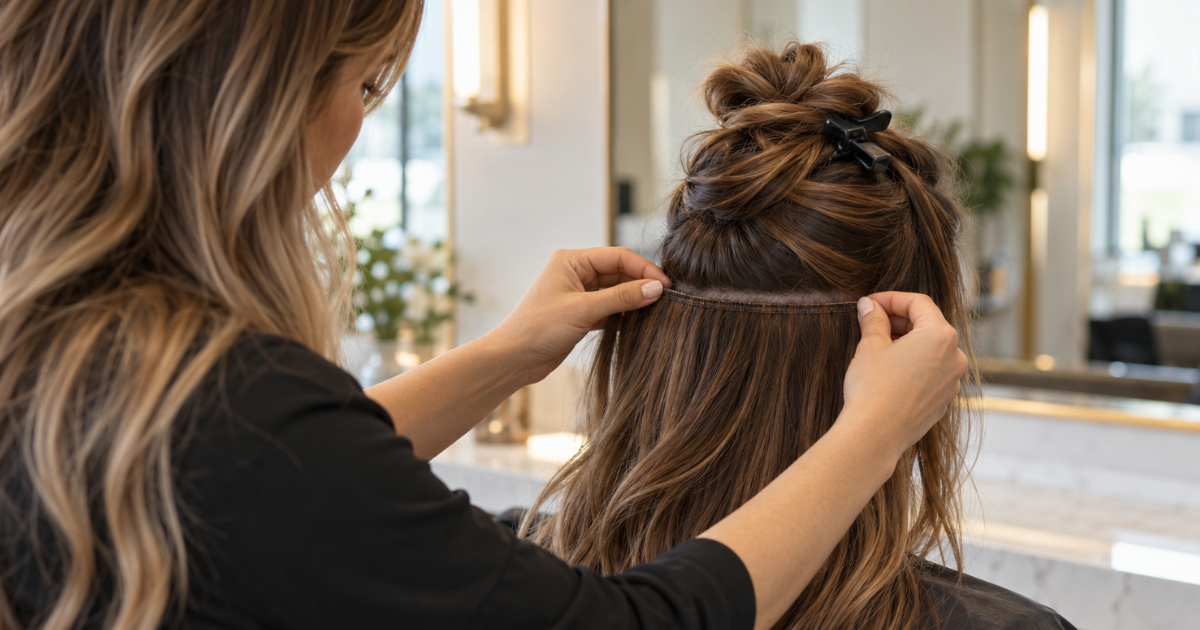
The best hair extensions in Greene, ME should do more than add inches—they should complement your natural texture, support your styling goals, and fit comfortably…

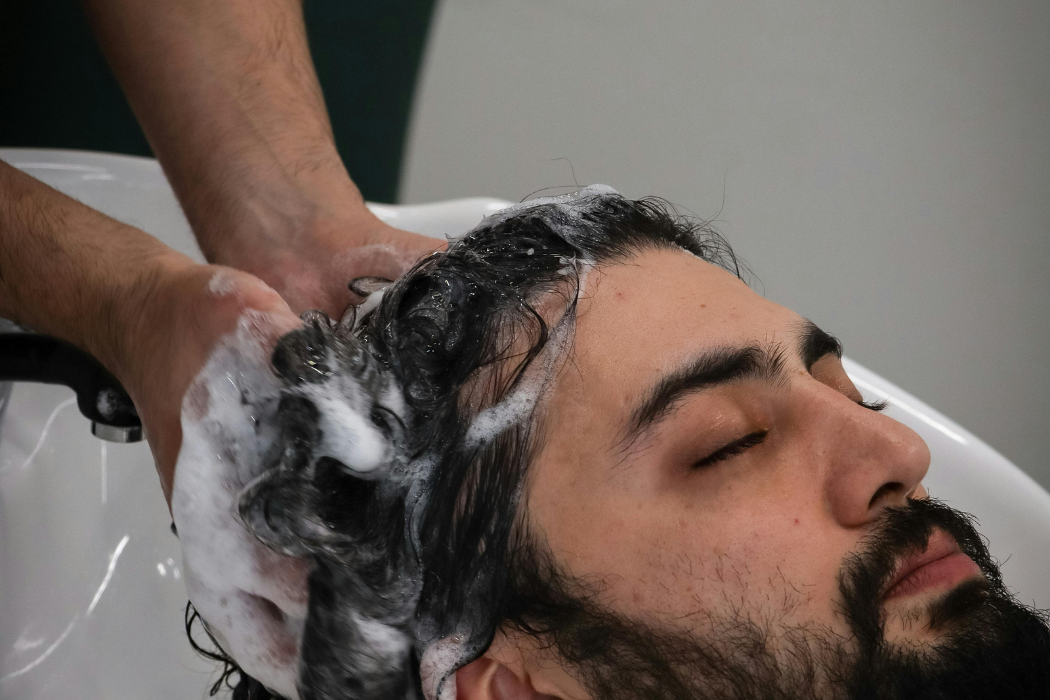
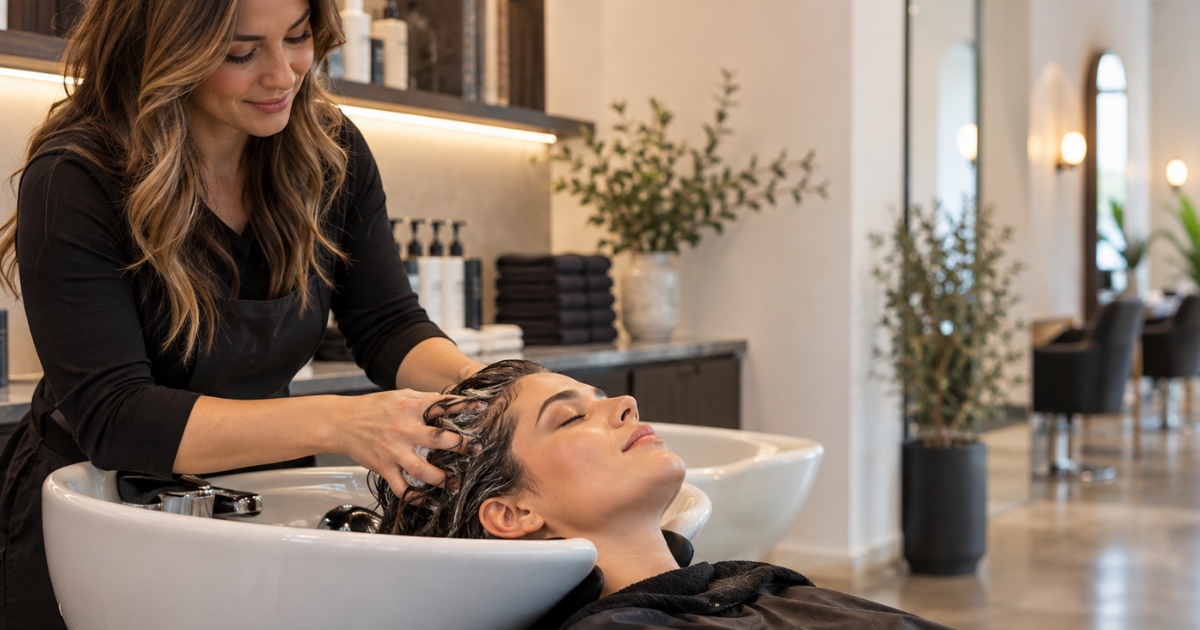
A full-service Hair salon and spa can turn separate beauty appointments into one relaxing visit, but the order of those services matters more than the latest “treatment stacking” trend suggests.
Beauty stacking is exactly what it sounds like: combining several services into one carefully planned day. A guest might book color, a facial, massage, and time in wellness amenities rather than making four separate trips. It can be wonderfully efficient, especially before a wedding, vacation, birthday, or major event.
Still, more is not automatically better. Freshly exfoliated skin, chemically treated hair, heat exposure, deep massage, and a tight schedule can become an irritation marathon when no one considers the complete plan.
Choose the service that matters most and build the day around it. If the goal is a color transformation, give that appointment enough time and avoid squeezing it between unrelated treatments. If relaxation is the priority, do not create an itinerary so crowded that you spend the entire day checking the clock.
Your main service may be:
Tell the booking team about every service you want before confirming. They can account for consultation time, processing time, changing clothes, showering, drying hair, and moving between treatment areas.
The ideal sequence depends on the exact services, but one rule is nearly universal: save the finished hair and makeup for last. A massage face cradle, steam room, sauna, shower, or scalp treatment can undo a polished blowout surprisingly quickly.
Color appointments and intensive facials require more individual planning. Hair dye, exfoliating acids, peels, waxing, retinoid use, and sensitive skin do not always belong in the same-day lineup. Ask the providers whether those services should be separated.
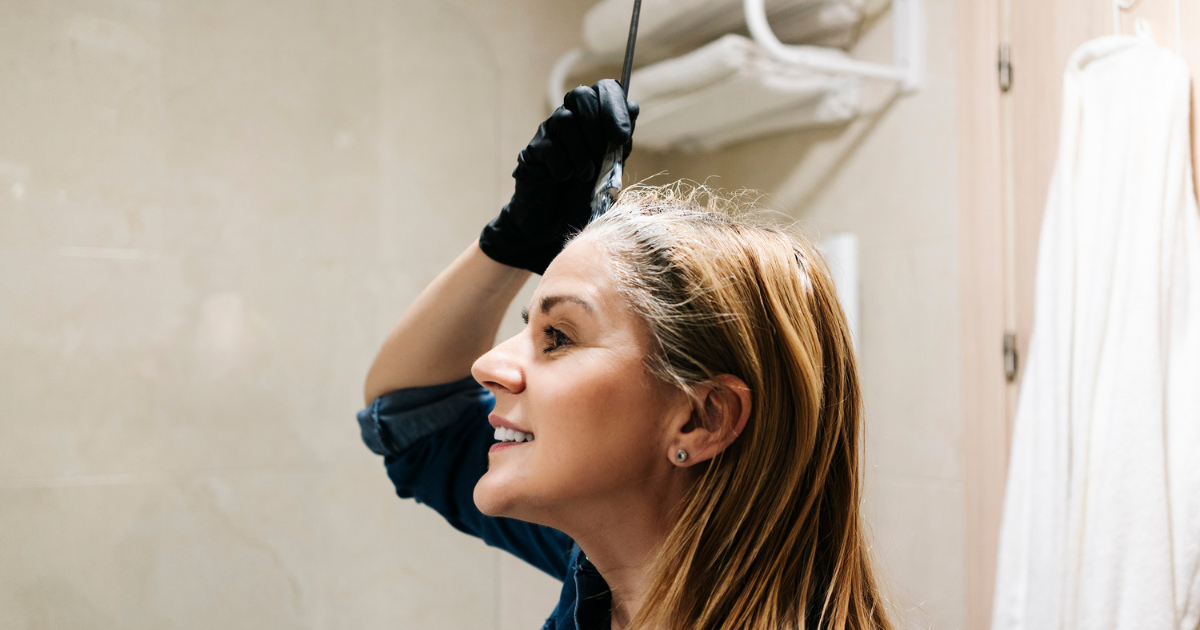
Hair color is a chemical service, even when the final result looks soft and natural. Guests should tell their colorist about previous dye, lightener, relaxers, smoothing treatments, metallic salts, or reactions.
The U.S. Food and Drug Administration’s hair dye guidance recommends following product instructions and completing the advised allergy test each time hair is colored. A person can develop a reaction even after using dye successfully in the past.
If the scalp feels irritated, sunburned, scratched, or inflamed, mention it before the service begins. Burning that feels excessive should never be treated as proof that a product is “working.”
The American Academy of Dermatology’s coloring and perming advice explains that chemical services can leave hair dry or brittle, particularly when major lightening is involved.
Steam, sauna, swimming, and vigorous exercise may also affect how comfortable the scalp feels immediately around a color appointment. Ask the colorist what activities to avoid and for how long based on the service performed.
Facials range from gentle cleansing and hydration to more intensive exfoliation. The name of a service does not always reveal how active it will be, so ask what products and techniques are included.
If you use retinoids, acne medication, exfoliating acids, prescription creams, or products that increase sensitivity, share that information during the consultation. Also mention recent waxing, sunburn, cosmetic injections, laser treatment, or another procedure involving the same area.
A chemical peel deserves particularly thoughtful scheduling. The AAD’s chemical peel information notes that some patients need a preparation plan before treatment. Appropriate aftercare may also include gentle products and careful sun protection.
Before combining a peel with hair color, heat amenities, or an important event, ask:
When uncertain, schedule the facial and chemical hair service on different days.
Massage is not a competition to tolerate the strongest possible pressure. The right technique depends on your goals, preferences, and physical condition.
The National Center for Complementary and Integrative Health explains that massage therapy includes numerous techniques. It also advises consumers to discuss health conditions with their healthcare providers when deciding whether massage is appropriate.
Tell the therapist about injuries, recent surgery, pregnancy, medications, skin irritation, or areas you do not want treated. Speak up if the pressure causes sharp pain, numbness, or another uncomfortable sensation.
Plan enough time after the service to sit up slowly, get dressed, and drink water. Racing directly from a massage table to a formal styling chair can erase much of the relaxed feeling you wanted.
Steam rooms, saunas, and water-based amenities can be enjoyable additions to a spa visit, but longer is not necessarily more beneficial. Follow facility instructions, stay aware of how you feel, and leave immediately if you become dizzy, nauseated, faint, or unusually uncomfortable.
People with relevant medical conditions, those who are pregnant, and anyone taking medication that affects temperature regulation, blood pressure, or hydration should ask a healthcare professional for individualized guidance.
Cleanliness also matters in shared water environments. The Centers for Disease Control and Prevention’s hot tub guidance offers practical information about reducing exposure to germs and recognizing maintenance concerns.
Place these amenities before a blowout or formal style. Otherwise, humidity and moisture may undo the finished look before you leave the building.
Spa marketing often uses the word “detox” loosely. A relaxing service can help you slow down, feel refreshed, or care for your skin and hair, but vague claims about removing unspecified toxins deserve skepticism.
It is more useful to choose a service for a clear, realistic purpose:
The latest NCCIH overview of massage therapy encourages consumers to understand the type of massage offered and consider their individual physical condition. That kind of specific information is more valuable than a dramatic wellness promise.
If hair styling comes last, arrive with a clear idea of what happens next. A humid walk, workout, tight hat, or convertible ride can change the result.
For color and conditioning services, ask which home products are genuinely necessary. You may need a gentle shampoo, appropriate conditioner, heat protection, or a toning product, but buying an entire product family is not always essential.
The AAD’s healthy hair tips recommend concentrating shampoo on the scalp, using conditioner after washing, and handling wet hair carefully. Those simple habits often matter more than adding another complicated step.
Trying a new service on the morning of an important event introduces unnecessary risk. Give yourself time to see how your hair, skin, and body respond.
Skin that looks red immediately after a new treatment and hair color that feels unfamiliar are much less stressful when the event is not starting in two hours.
The Grand Beauty Spa brings haircuts, color, conditioning, styling, facials, massages, body therapies, a head spa, and wellness amenities together at one Tampa location. That range can make a coordinated beauty day easier, particularly when the booking team knows the complete plan in advance.
Guests should still treat every consultation as a two-way conversation. Explain your priorities, sensitivities, schedule, and aftercare limitations. A provider can recommend a more suitable order or suggest separating services when one appointment would be too much.
A beautifully planned salon and spa day should feel connected rather than crowded. Choose fewer services with clear goals, arrange them in a sensible order, and give each provider the information needed to personalize the experience. The result will usually look better, feel calmer, and last longer than an overpacked beauty itinerary.