Hair Extensions in Greene: More Volume, Your Way
The best hair extensions in Greene, ME should do more than add inches—they should complement your natural texture, support your styling goals, and fit comfortably…

A Hair salon trend becomes far more wearable when it is adapted to your texture, current color, daily routine, and willingness to maintain it.
Social media makes dramatic transformations look effortless. A warm copper shade appears in a thirty-second video, curtain bangs fall perfectly into place, and long extensions seem to blend without any styling. What the finished clip rarely shows is the consultation, technical planning, product use, or future upkeep behind the look.
That does not mean you should ignore trends. They are a great source of inspiration. The trick is learning how to separate the part you love from the parts that may not suit your real life.
Trend names can be fun, but they are not universal technical instructions. “Cowboy copper,” “expensive brunette,” or “butterfly layers” may refer to noticeably different results depending on the person using the term.
Instead of asking for a trend by name alone, identify what attracts you to it. Is it the warmth, movement, softness, contrast, volume, or low-maintenance appearance?
Bring two or three reference images and explain:
A useful consultation should also consider your hair history. Permanent color, lightener, smoothing treatments, extensions, heat exposure, and previous corrective work can influence what is practical. Being completely honest about that history gives the stylist better information and helps avoid unnecessary surprises.
Fresh color is only the beginning of the story. Every shade changes as the hair is washed, exposed to sunlight, and styled with heat. The smartest choice is one that looks attractive on day one and remains manageable between services.
Before committing to a major color change, ask:
Going several levels lighter may require more processing than adding subtle dimension close to the natural color. The American Academy of Dermatology recommends making gradual color changes when possible because dramatic lightening can contribute to dryness and brittleness.
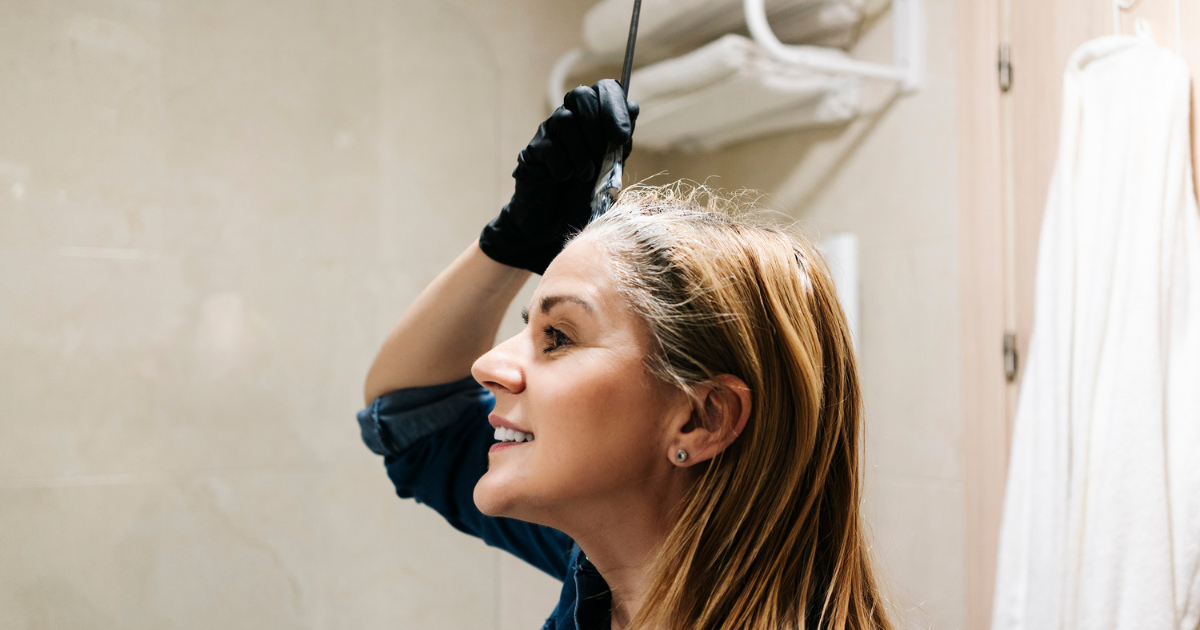
Hair dye also deserves the same respect as any other chemical product. The U.S. Food and Drug Administration advises following warnings and processing instructions, using gloves, completing the recommended skin test, and never mixing different dye products.
A haircut should work with the way the hair behaves, not only with the way it looks after a professional blowout. Fine, straight hair may need a different layering strategy from dense curls or waves. Cowlicks, shrinkage, growth patterns, and preferred parting can also affect the shape.
If you usually air-dry, say so before the cut begins. If you frequently wear a ponytail, ask whether the proposed layers will stay contained. If your schedule allows only five minutes of styling, a look that requires a round brush and several hot tools every morning may become frustrating.
The AAD’s healthy-hair guidance recommends choosing care methods for the individual hair type, handling wet hair gently, and limiting excessive heat. These principles are useful when evaluating any new style. A trend is not truly convenient if maintaining it places more stress on the hair than you are comfortable accepting.
Mesa’s sunny climate deserves a place in the beauty conversation. Frequent ultraviolet exposure can affect the appearance and condition of hair, especially when it is lightened, color-treated, or already dry.
The AAD explains that UV exposure can contribute to dry, brittle, frizzy hair and color changes. Chlorinated pool water can also remove protective lipids and increase the potential for breakage.
There is no need to collect every mask, oil, spray, and serum that appears online. A short routine selected for your texture and service history is usually easier to follow than a crowded shelf of competing products.
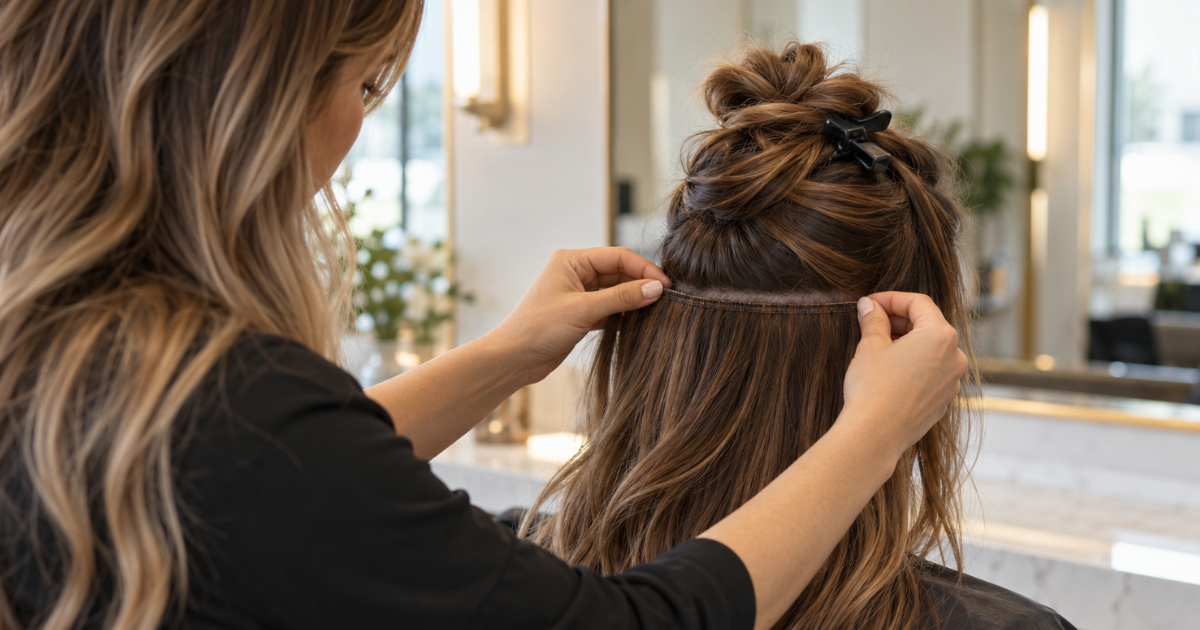
Extensions can add length, fullness, color accents, or density in specific areas. They can also require considerable maintenance, so choosing them should involve more than selecting a dramatic before-and-after photograph.
A consultation should address the attachment method, weight, placement, color match, home care, removal process, and expected maintenance schedule. The natural hair and scalp must also be considered. More hair is not automatically better if the added weight feels uncomfortable or conflicts with the client’s routine.
Useful questions include:
Any extension style that creates persistent pain or scalp tenderness deserves prompt attention. Beauty should not require ignoring ongoing discomfort.
Frizz control and smoothing treatments can make daily styling easier for some clients, but product names do not always reveal how a formula behaves. Ask what result the service is designed to create, how long it usually lasts, how it interacts with existing color, and what maintenance it requires.
Product handling and ventilation matter as much as the promised finish. The Occupational Safety and Health Administration provides guidance about formaldehyde exposure from certain hair-smoothing products, including labeling, safety data, ventilation, training, and protective equipment.
A professional should be able to explain the service without making the process sound mysterious. If you have experienced reactions to cosmetic products, scalp sensitivity, breathing concerns, or other relevant issues, raise them during the consultation.
A beautiful interior and trendy service menu do not replace good sanitation. Combs, brushes, clips, capes, towels, treatment areas, and work surfaces should be handled according to appropriate infection-protection procedures.
The Arizona Barbering and Cosmetology Board publishes infection-protection guidelines for licensed establishments and professionals. Clients do not need to memorize every rule, but they should feel comfortable asking how tools are cleaned or how single-use items are discarded.
Notice whether the space appears organized, whether clean and used materials are kept separate, and whether team members follow consistent procedures. Professional cleanliness should be routine rather than something performed only when a client is watching.
Beauty trends often encourage experimentation, which can also encourage overbuying. A more thoughtful approach is to choose services and products you are likely to maintain and finish.
Salons can reduce waste by measuring color carefully, monitoring inventory, recycling qualifying materials, and choosing facility products based on transparent standards. The EPA’s Safer Choice product directory allows businesses and consumers to search for products that meet the program’s ingredient and performance criteria.
Clients can participate by asking what each recommended product actually does. If two items serve almost the same purpose, you may not need both. Clear instructions about quantity and frequency also help prevent waste while making the routine more effective.
Located in Mesa, Arizona, 27 the salon was founded in 2015 with an emphasis on stylist education, teamwork, and individualized artistry. Its published service menu includes cuts and styling, barber services, color and highlights, customized treatments, extensions, brows and waxing, and permanent jewelry.
The salon also offers a virtual consultation and stylist-matching process for new guests. That approach reflects an important lesson about following trends: the best result begins by finding a professional whose skills align with the service and by discussing expectations before technical work starts.
The company describes itself as a community salon for all people and states that it participates in a salon-waste recovery program. Those details complement the salon’s broader focus on education and a supportive team culture without making the experience feel overly formal.
Before making a major change, use this quick checklist:
The best hair trends are not exact copies. They are interpretations that respect the person wearing them. When inspiration is balanced with honest consultation, professional safety, realistic maintenance, and everyday habits, a trend can become a look that feels personal long after it leaves your feed.