Hair Extensions in Greene: More Volume, Your Way
The best hair extensions in Greene, ME should do more than add inches—they should complement your natural texture, support your styling goals, and fit comfortably…

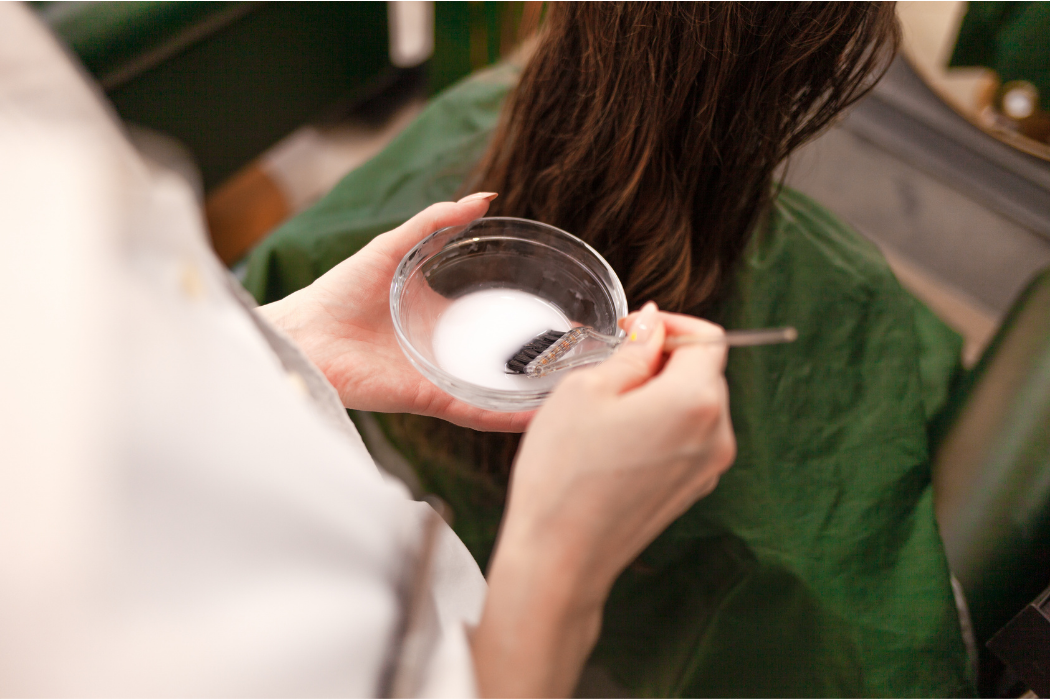
A Hair salon can help create the reflective color, fluid movement, and polished finish behind today’s high-gloss hair trend without turning your routine into a full-time project.
Glossy hair is having a major beauty moment. It appears in rich brunette shades, creamy blondes, vibrant reds, sleek bobs, soft layers, and flowing extensions. Although social media sometimes calls it “expensive hair,” the look is not defined by one color, product, or price tag.
The real formula is thoughtful color, a clean haircut shape, controlled surface texture, and care that supports shine between salon visits. Better still, the trend can be adapted to almost any length or texture. Here is how to make that polished finish feel wearable rather than overly precious.
Hair appears shiny when light reflects evenly from its surface. When the outer portion of the strand is relatively smooth and the hair is arranged in a consistent direction, the reflection looks stronger. Frizz, breakage, dryness, and uneven texture scatter light, which can make even freshly colored hair appear dull.
This is why shine is not simply about applying oil. A glossy finish usually comes from several details working together:
The American Academy of Dermatology offers practical guidance for keeping hair looking healthier, including gentle washing, appropriate conditioning, and careful handling when strands are wet.
One-color hair can be beautiful, but high-gloss color often looks especially rich when it contains subtle shifts in depth and tone. Dimension gives light more places to land, creating movement even when the hair is not curled.
That does not automatically mean requesting a full head of dramatic highlights. Depending on the starting color and desired upkeep, a stylist might use:
Keeping some natural or deeper color can make lighter pieces look brighter while creating a softer grow-out. This is especially useful if you love dimensional color but do not want an obvious line near the roots after a few weeks.
Bring several inspiration photographs to your consultation, preferably in different lighting. Explain whether you are drawn to the brightness, tone, contrast, or overall mood. A stylist can then interpret the idea for your natural color, complexion, hair history, and preferred maintenance schedule.
Going lighter can add brightness, but it is not the only route to luminous hair. Excessive lightening may leave compromised strands feeling rougher, making it harder to achieve the smooth surface associated with the trend.
The American Academy of Dermatology notes that significant lightening can cause more damage than staying closer to the natural shade. If your dream color requires a major change, a staged transformation may protect more of the hair’s condition.
A complete color history is essential. Tell your stylist about professional color, box dye, henna, temporary pigment, root sprays, lightening, perms, relaxers, and smoothing treatments. Products that appear to have faded may still affect how the hair responds.
Safety matters as much as appearance. The U.S. Food and Drug Administration provides consumer information about hair dyes and possible reactions. Mention any previous itching, burning, swelling, blistering, or breathing difficulties before receiving another color service.
Fresh ends create a cleaner outline, while intentional layers help light move across the hair. The ideal shape depends on density, texture, length, and how much time you want to spend styling.
For a sleek bob, the perimeter may be the star. Longer hair may benefit from carefully placed layers that create movement without making the ends look thin. Fine hair may need a stronger baseline, while dense hair may require weight removal in specific areas.
Ask to see how the cut behaves with your normal part and natural texture. A haircut should not look good only after a detailed professional blowout.
Before leaving, ask how to create a simplified finish at home. The answer may involve changing the direction of the dryer, using a smaller amount of product, or concentrating smoothing efforts on the visible top layer and face frame.
The American Academy of Dermatology identifies repeated high heat and rough handling among habits that can damage hair. More heat does not always create more shine. Controlled temperature, proper technique, and heat protection are the smarter combination.
It is easy to assume that glossy hair requires an overflowing shelf. In reality, a short routine with clearly defined jobs is usually easier to follow.
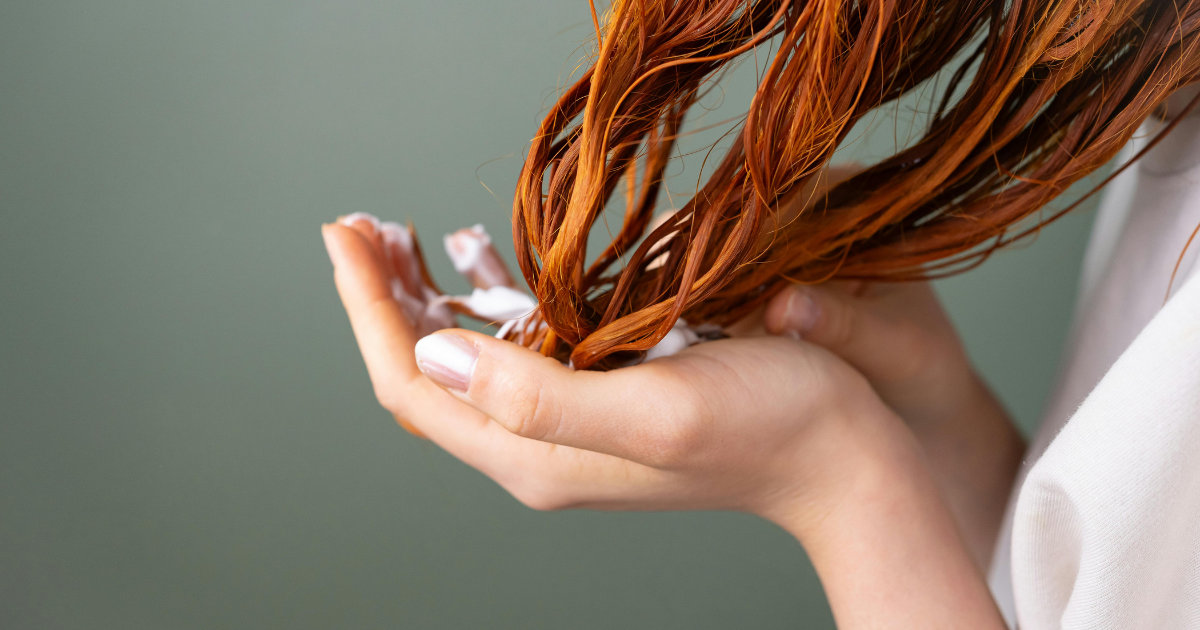
There is no universal shampoo schedule. Cleveland Clinic explains that washing frequency can vary with texture, scalp oil, activity level, and other individual factors. A routine that leaves one person fresh and balanced may create dryness or buildup for someone else.
If shine disappears quickly, do not immediately add another product. Dullness can come from mineral deposits, heavy styling residue, faded tone, damaged ends, or an unsuitable cleansing routine. Identifying the cause is more useful than layering on temporary gloss.
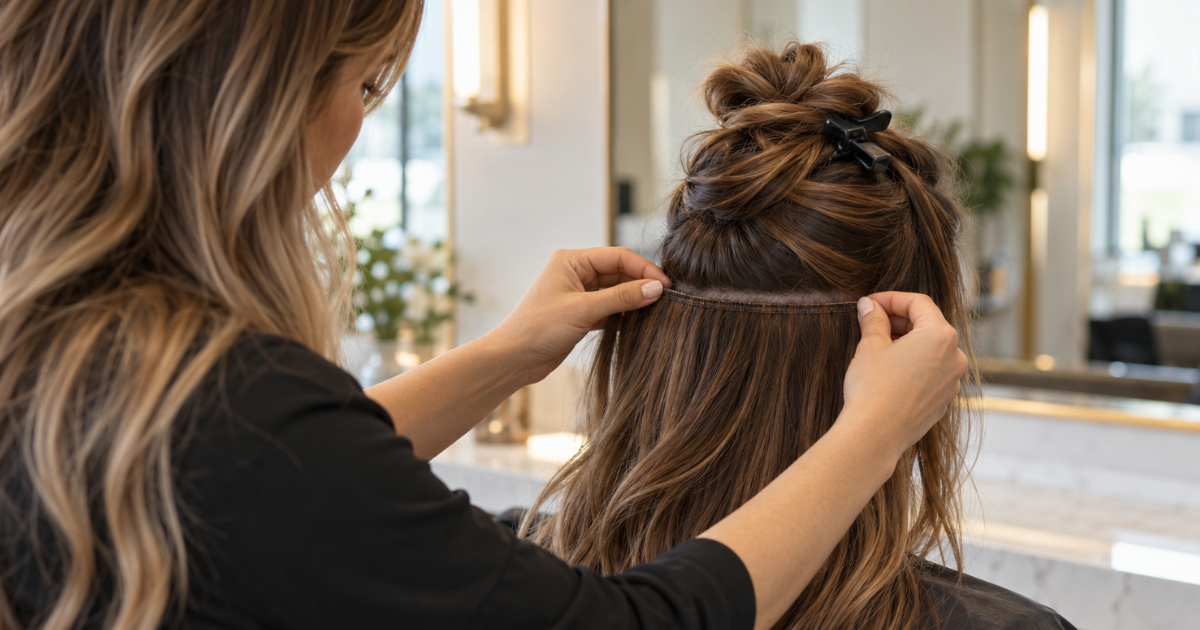
High-gloss styles often look luxurious because the ends appear dense and complete. Extensions can help create that effect without necessarily adding dramatic length. They may fill a sparse perimeter, support a fuller haircut, or introduce dimensional color without lightening every natural strand.
A proper consultation should address the method, amount of added hair, attachment placement, color match, blending cut, home care, maintenance visits, and removal process.
Added hair should also feel comfortable. The American Academy of Dermatology recommends precautions to reduce extension-related damage. Persistent pain, headaches, bumps, or excessive pulling should be assessed rather than accepted as part of the experience.
Smoothing services may help reduce frizz and make polished styling easier, but terms such as keratin treatment, straightening, and frizz control do not identify one standardized formula.
Ask for the exact product name, expected change in texture, heat used during the service, compatibility with color, and aftercare requirements. The Occupational Safety and Health Administration reports that some smoothing products may contain or release formaldehyde, including products with misleading labels. Specific information matters more than a broad marketing category.
Located at 6652 Telegraph Road in Bloomfield Hills, Michigan, Liquid Salon has served clients since 2005 and offers both salon and spa services in a polished, contemporary environment.
Its public hair menu includes haircuts, custom color, highlights, balayage, blonding, and texture services such as keratin treatments, perms, relaxers, and conditioning treatments. Extension options include tape-in, micro-link, and customized services designed to add length or volume.
The salon also publicly identifies professional product partners including L’Oréal Professionnel Color, Kérastase, Shu Uemura, and Olaplex. More important than any product label, however, is matching the service and routine to the individual client’s hair, goals, and lifestyle.
Consumers interested in researching professional credentials can use the Michigan Department of Licensing and Regulatory Affairs verification resource.
The high-gloss trend is most successful when it enhances the hair rather than disguising an impractical routine. Thoughtful color placement, a supportive haircut, gentle care, and honest maintenance planning can create a finish that looks luxurious in real life, not only beneath salon lighting.