Hair Extensions in Greene: More Volume, Your Way
The best hair extensions in Greene, ME should do more than add inches—they should complement your natural texture, support your styling goals, and fit comfortably…

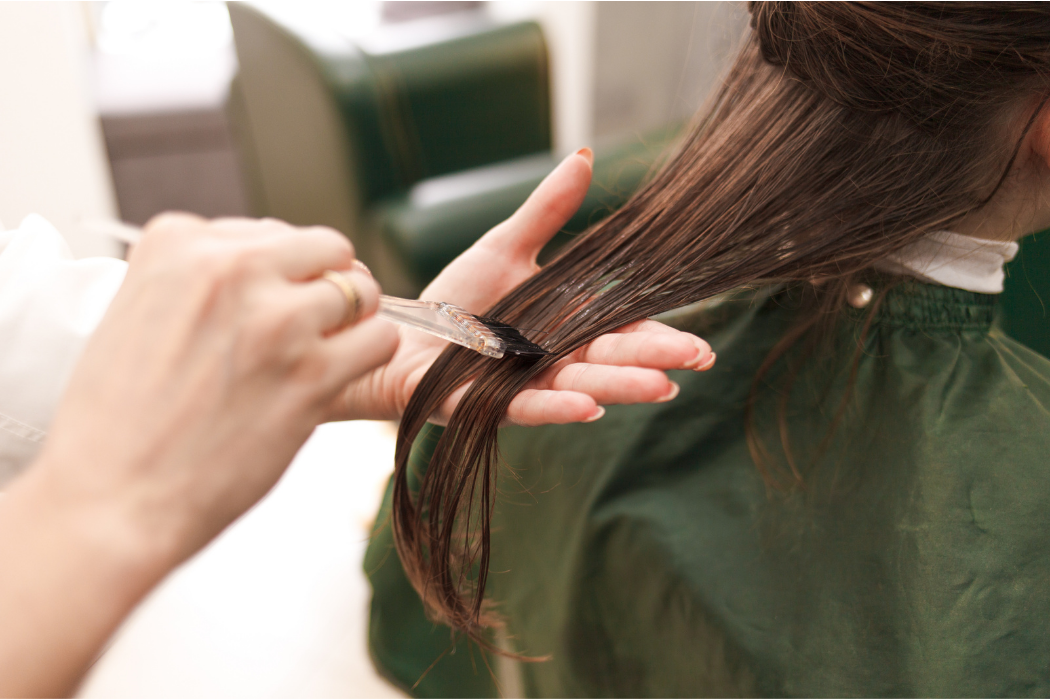
The right Hair salon can help turn a beautiful trend into a look that still works after the professional styling, perfect lighting, and first-week excitement are gone.
Hair inspiration is everywhere. One scroll can introduce you to lived-in blonde, expensive brunette, glossy copper, face-framing layers, dramatic extensions, and mirror-like smoothness. The problem is not finding ideas. It is knowing which ideas fit your hair, routine, budget, and willingness to return for maintenance.
Before choosing your next look, identify your “maintenance personality.” This simple step can help you avoid committing to a style that requires more salon visits or daily effort than you genuinely want.
Your maintenance personality describes how much time, planning, and upkeep you comfortably devote to your hair. It is not a judgment about how seriously you take beauty. It is simply a practical way to choose trends that fit your life.
Think about these questions:
Be honest. Choosing a lower-maintenance option is not settling. A thoughtfully planned, wearable color often looks more polished than an ambitious transformation that becomes difficult to maintain.
You enjoy current looks but want your hair to remain presentable as it grows. You may be busy, prefer fewer salon visits, or simply dislike seeing an obvious line of regrowth.
Low-maintenance options can include softly blended highlights, lived-in color, strategic face-framing brightness, subtle dimensional brunette tones, longer layers, or a gloss that enhances your existing shade.
The key question is not only, “How will this look today?” Ask how the color or cut is expected to change over the following months. A stylist may recommend softer placement near the roots, greater depth through the base, or a tone that fades naturally into your existing color.
Low maintenance does not mean no maintenance. Glosses fade, ends need care, and even blended color benefits from periodic refinement. The difference is that the transition should feel gradual rather than urgent.
The American Academy of Dermatology explains how excessive heat, rough handling, and certain styling habits can contribute to hair damage. A manageable look should not require aggressive daily styling to appear finished.
You are comfortable following a routine when the result feels worthwhile. You may schedule regular trims, use a few recommended products, and spend some time styling, but you do not want your hair to become a second job.
This category opens the door to brighter dimensional color, richer tonal changes, more structured haircuts, blended gray coverage, and polished blowout-inspired styles.
Rather than selecting services one visit at a time, discuss a longer plan. A major color service might be followed by smaller gloss, toner, root, or haircut visits. This approach can preserve the overall look without repeating the complete transformation every time.
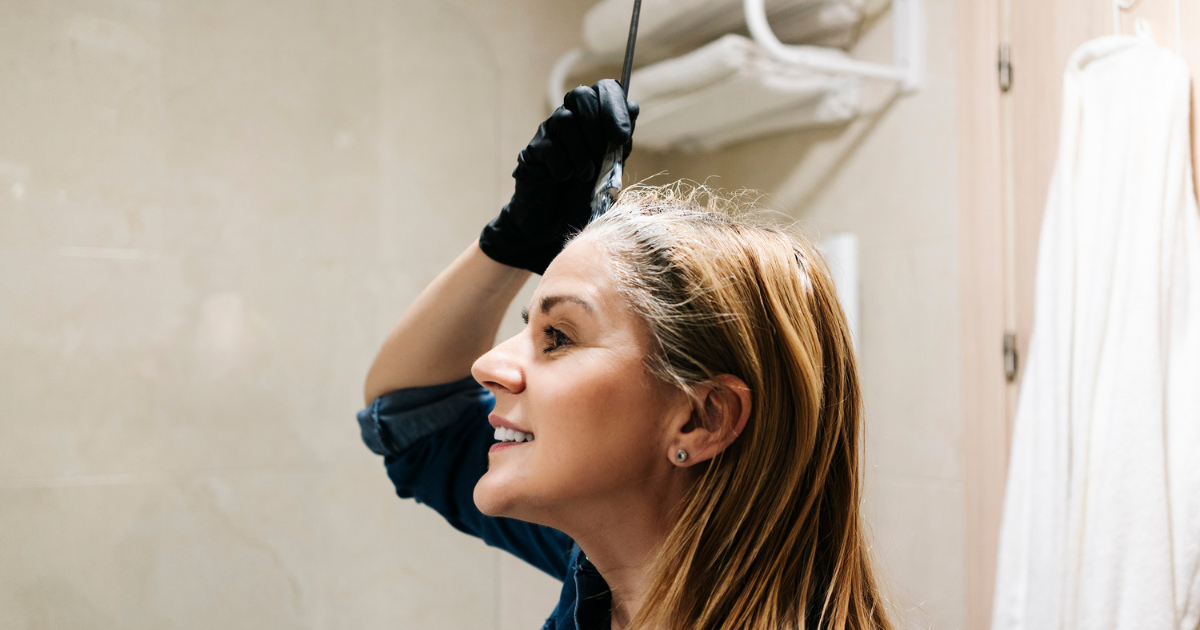
If you color your hair, disclose every product used during the past several years. Box dye, temporary color, henna, root sprays, lighteners, and previous salon formulas may affect what can be achieved safely. The FDA provides consumer guidance about hair-dye use and possible reactions. Tell your stylist about previous itching, burning, swelling, or other unusual symptoms before another color service.
You enjoy transformation and consider salon time part of your beauty routine. You are willing to protect the result at home, schedule maintenance, and adjust your styling habits.
High-commitment looks may include major blonding, significant lightening from a dark starting point, vivid shades, frequent gray coverage, dramatic color corrections, or extension transformations.
These services require more than enthusiasm. Ask about the number of sessions, condition of the hair, home-care expectations, ongoing visits, and total maintenance cost. A responsible stylist may recommend a staged transformation when the desired result cannot reasonably be achieved in one session.
Remember that an inspiration photograph shows the destination, not the starting point. Natural color, density, texture, previous chemicals, lighting, filters, and added hair can all influence the image. A personalized interpretation may be more flattering and sustainable than an exact copy.
A haircut can look entirely different when styled smooth, curled with a hot tool, diffused, or air-dried. Before requesting layers, bangs, or a dramatic shape, identify how the inspiration photograph was styled.
Ask the stylist to explain how the cut will behave with your natural texture. If possible, learn two finishing methods:
Your wash schedule matters too. Cleveland Clinic notes that appropriate shampoo frequency can vary with texture, scalp oil, hair length, age, and activity. Tell your stylist how often you normally wash and whether you exercise, swim, or spend considerable time outdoors.
Smoothing treatments are popular because they may reduce frizz and shorten styling time, especially in humid climates. However, terms such as “keratin,” “smoothing,” and “frizz control” do not describe one standardized formula or result.
Before agreeing to a treatment, ask for:
The Occupational Safety and Health Administration reports that some smoothing products may contain or release formaldehyde, including products that have been labeled in misleading ways. Product-specific information is more useful than assuming every service within the category works the same way.
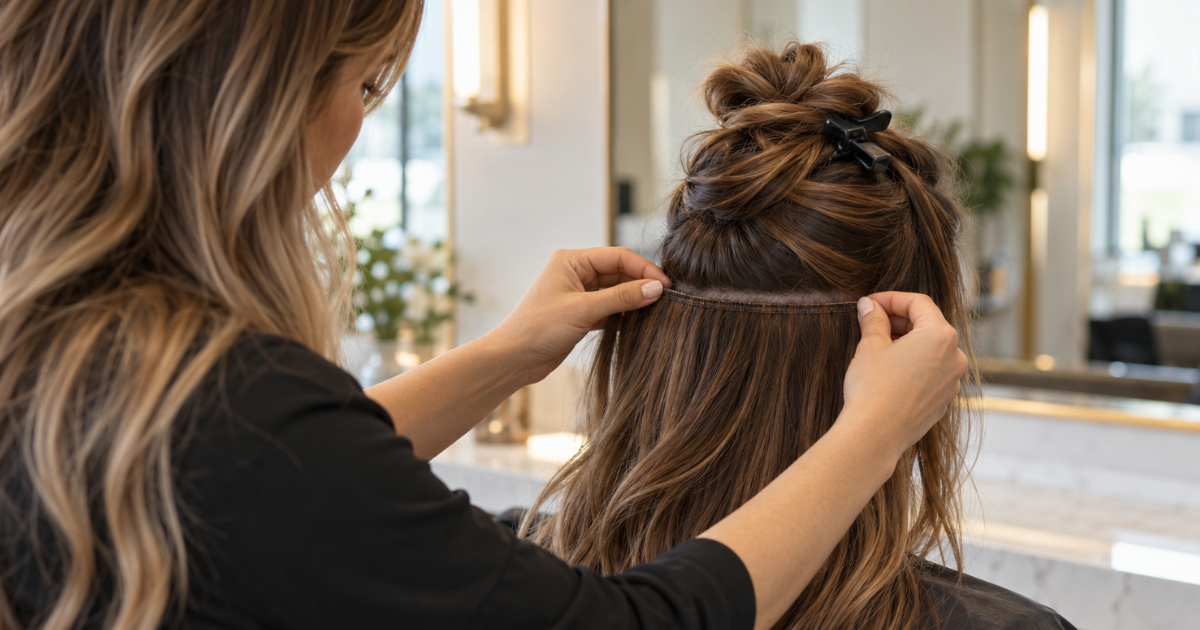
Extensions can add length, but they can also provide fullness, improve the perimeter of a haircut, or introduce dimensional color without lightening every natural strand.
A good extension consultation should cover the attachment method, placement, added weight, color matching, blending, washing, drying, maintenance visits, removal, and overall investment. The best method is not automatically the one attracting the most attention online. It is the one that suits your natural hair and daily routine.
Comfort should always matter. The American Academy of Dermatology recommends precautions to reduce extension-related damage. Persistent tightness, pain, headaches, bumps, or scalp irritation deserve attention rather than being dismissed as normal.
A successful new look should not require an unexplained shelf of products. Ask what each recommended item does, where it should be applied, how much to use, and which purchase should take priority if you are simplifying the routine.
A practical routine might include:
Marketing language can sound convincing without explaining whether a formula fits your needs. The FDA explains how cosmetic labeling claims are regulated. Terms such as “clean,” “natural,” and “professional” should not replace a conversation about ingredients, usage, and hair type.
Located at 11362 San Jose Boulevard, Suite 12, in Jacksonville, Florida, Level and Tone Salon focuses on customized hair services planned around the guest’s goals, lifestyle, and preferred maintenance level.
The salon’s public service information includes haircuts, root refreshes, all-over color, highlights, glossing, lived-in color, and custom color transformations. It also offers Invisible Bead Extensions® for clients interested in added length or volume, along with customized conditioning, bond-building, and keratin smoothing options.
Level and Tone Salon describes consultation as an important part of the process. That is especially relevant when choosing a trend because hair history, condition, texture, desired result, and upkeep all influence the recommended approach.
Florida consumers who wish to research professional credentials can use the Florida Department of Business and Professional Regulation’s license-verification resources.
The most flattering trend is not necessarily the newest or most dramatic. It is the one that fits your maintenance personality, respects the condition of your hair, and continues to feel good during ordinary life. When a salon plan balances inspiration with honest expectations, the result has a much better chance of becoming a personal signature rather than a short-lived experiment.