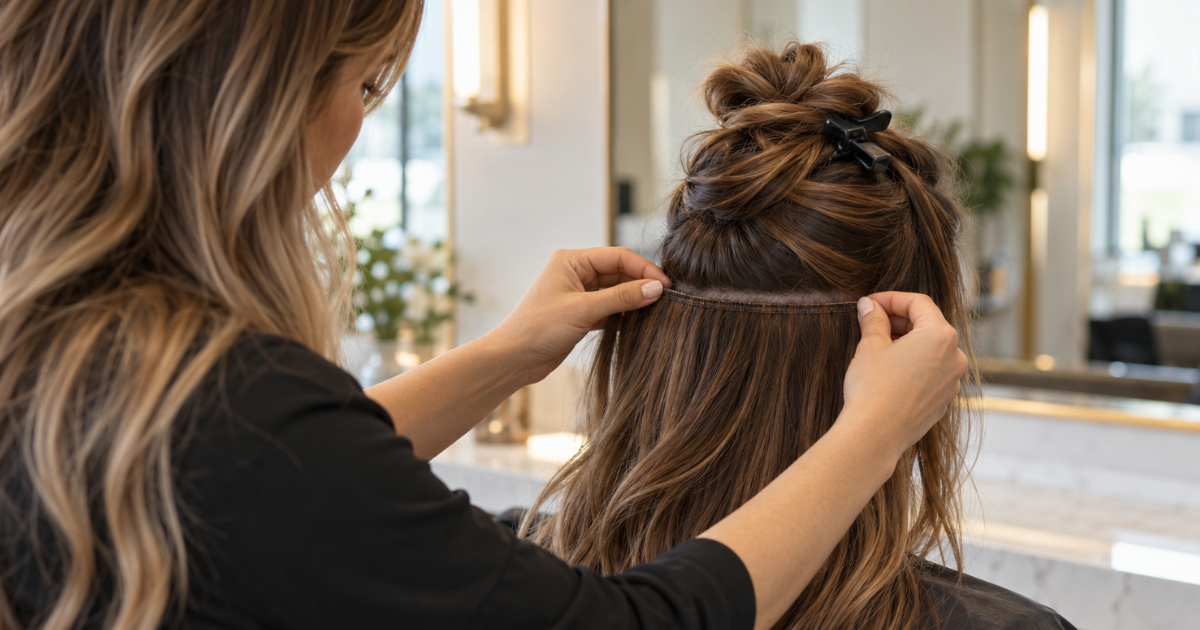
Hair Extensions in Greene: More Volume, Your Way
The best hair extensions in Greene, ME should do more than add inches—they should complement your natural texture, support your styling goals, and fit comfortably…

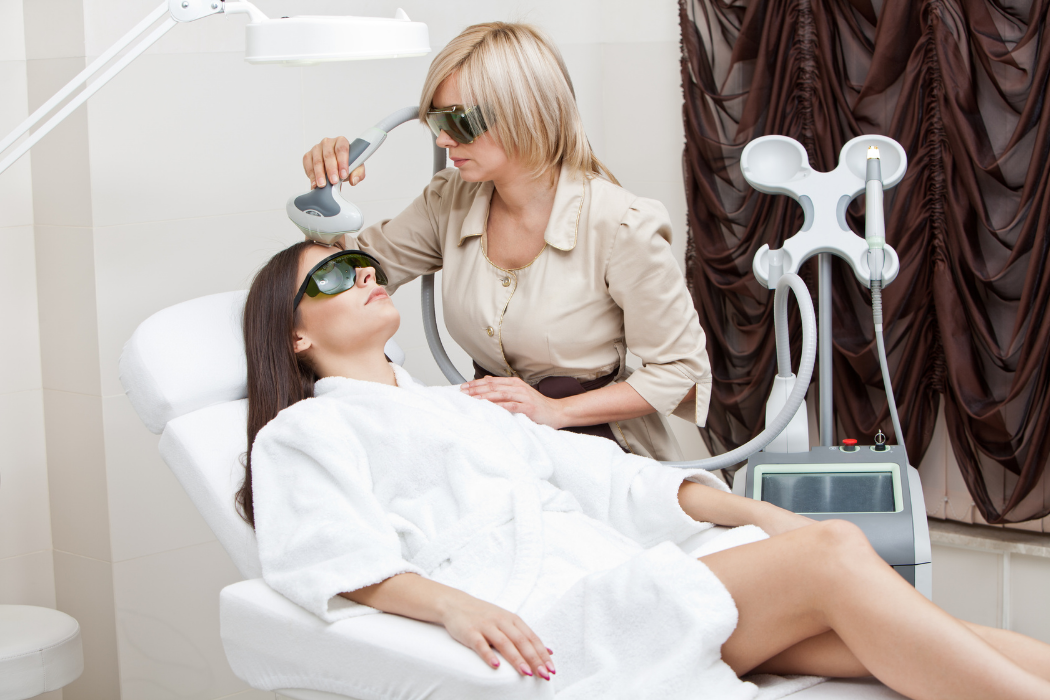
A well-run Medical spa should help a person look refreshed without turning every consultation into a race toward more product, more procedures, or a completely different face.
The latest aesthetic trend is surprisingly subtle. Instead of chasing dramatic lips, frozen expressions, or an obviously “done” appearance, many people want results that friends notice without immediately identifying the treatment.
Undetectable aesthetics is not a medical term. It is a beauty concept centered on restraint, facial balance, skin quality, and personalized treatment planning. The goal is not to erase every line or create perfect symmetry. It is to make thoughtful changes that still look believable in natural light and during normal facial movement.
A responsible consultation should begin with your concerns, not a list of treatments someone wants to sell. The provider needs time to evaluate facial movement, skin condition, medical history, previous procedures, medications, and expectations.
Bring photographs if they help explain your preferences, but remember that another person’s anatomy cannot be copied. Bone structure, fat distribution, muscle activity, skin thickness, and natural asymmetry all influence what may be appropriate.
The American Academy of Dermatology reminds consumers that cosmetic procedures require detailed medical knowledge of the skin and underlying anatomy. Procedures that look simple in a short video can still carry meaningful risks.
Neurotoxin and dermal filler are frequently discussed together, but they are not interchangeable.
Botulinum toxin treatments temporarily reduce targeted muscle activity. Cosmetic use commonly focuses on expression-related lines, such as those that appear with frowning, squinting, or raising the eyebrows.
Dermal fillers are injectable materials used for approved purposes such as adding or restoring volume and improving certain contours. The appropriate product, amount, and placement depend on the treatment area and patient.
The American Academy of Dermatology offers detailed botulinum toxin frequently asked questions, including information about preparation, results, and safety. Treatments should use legitimate products obtained through appropriate medical channels.
Filler deserves equal care. The FDA explains that dermal filler injections carry potential risks, including swelling, bruising, infection, nodules, and rare but serious complications involving unintended injection into a blood vessel.
When the desired result is subtle, a staged plan can be more useful than treating every concern in one session. Starting conservatively gives the patient and provider an opportunity to evaluate healing, movement, balance, and satisfaction before deciding whether anything more is needed.
This is especially helpful when someone is new to injectables or uncertain about the desired change. Adding more later may be possible, while reversing or managing an unwanted result can be more complicated.
A restrained plan might focus on one priority:
Subtle does not mean risk-free. Every medical aesthetic procedure still requires informed consent, appropriate patient selection, and a plan for recognizing and managing complications.
Facial balance is not only about volume. Dryness, uneven tone, sun damage, acne scarring, redness, and rough texture can influence how refreshed the skin appears.
This is why many aesthetic plans now combine home skincare with professionally selected treatments. Depending on the concern, options may include facials, chemical peels, laser procedures, microneedling, or radiofrequency-based treatments.
More intensity is not automatically better. The correct treatment depends on skin type, pigment history, active conditions, previous procedures, medications, and willingness to follow aftercare.
A basic home routine remains important:
Persistent rashes, changing moles, infections, or concerning lesions should be evaluated by an appropriate medical professional rather than covered with a cosmetic treatment.
Microneedling uses a device with small needles to create controlled skin punctures. Professional treatment may be considered for certain textural concerns, but depth, device quality, sanitation, skin preparation, and aftercare all matter.
The FDA’s consumer guidance on microneedling devices encourages patients to discuss benefits, risks, alternatives, device experience, and infection-control practices with a healthcare provider.
At-home rollers and professional medical devices should not be assumed to offer equivalent results or safety. Reusing equipment, treating active acne, applying inappropriate products, or creating excessive injury can increase the risk of irritation, infection, scarring, and pigment changes.
Radiofrequency microneedling combines needles with radiofrequency energy. It is often marketed for texture, scarring, firmness, and other aesthetic concerns, but patients should understand that it is an energy-based medical procedure.
In 2025, the FDA issued a safety communication concerning certain uses of RF microneedling. The agency reported potential serious complications and advised patients to choose licensed, trained providers and discuss the risks, benefits, and device being used.
Useful questions include:
“Minimal downtime” does not mean that everyone will look completely unchanged the following morning. Redness, swelling, bruising, peeling, tenderness, or temporary texture changes may occur depending on the procedure and the individual.
Avoid trying a new injectable, laser, peel, or microneedling treatment immediately before a major event. Even when most people recover quickly, your personal response cannot be guaranteed.
Ask the provider for three different timelines:
Follow written aftercare instructions. Contact the practice promptly about unexpected or worsening symptoms rather than relying on advice from social media.
Results galleries can be useful, but photographs should be reviewed carefully. Lighting, camera distance, makeup, facial expression, hydration, and head position can change the apparent result.
Look for images with similar lighting, angles, and expressions. Ask whether the photograph shows one treatment or a combination completed over time.
A before-and-after result from another patient cannot predict your outcome. It can, however, provide insight into the provider’s aesthetic style. If every result appears more dramatic than you prefer, the practice may not match your goals.
A polished social feed is not evidence of clinical qualifications. Before receiving injectables or device-based treatments, verify who will perform the procedure, their professional license, relevant training, and experience with the specific treatment.
The FDA recommends seeking a licensed healthcare provider with appropriate experience before receiving dermal fillers. Its dermal filler safety guidance also advises consumers not to purchase fillers online or inject themselves.
The American Society of Plastic Surgeons provides additional information about dermal filler risks and safety. A qualified provider should be prepared to discuss complications without minimizing them.
This consultation-focused philosophy is part of the experience at Inject Savannah, a medical aesthetics practice located on Bull Street in Savannah, Georgia.
The practice is led by aesthetic nurse practitioner Kelly Rogers, NP-C, and offers consultations, neurotoxins, fillers, facials, chemical peels, microneedling, RF microneedling, CoolPeel treatments, PRP therapy, DiamondGlow services, and other aesthetic options.
Service suitability depends on the patient’s medical history, skin, anatomy, goals, and provider assessment. A consultation is the appropriate place to confirm credentials, discuss risks, review pricing, and determine whether a treatment should be performed, postponed, or avoided.
Before moving forward with a treatment, make sure you can answer these questions:
The best subtle aesthetic work is not about making treatment invisible by ignoring its risks. It is about using medical judgment, careful technique, realistic expectations, and restraint to create a result that still feels like you.