Hair Extensions in Greene: More Volume, Your Way
The best hair extensions in Greene, ME should do more than add inches—they should complement your natural texture, support your styling goals, and fit comfortably…

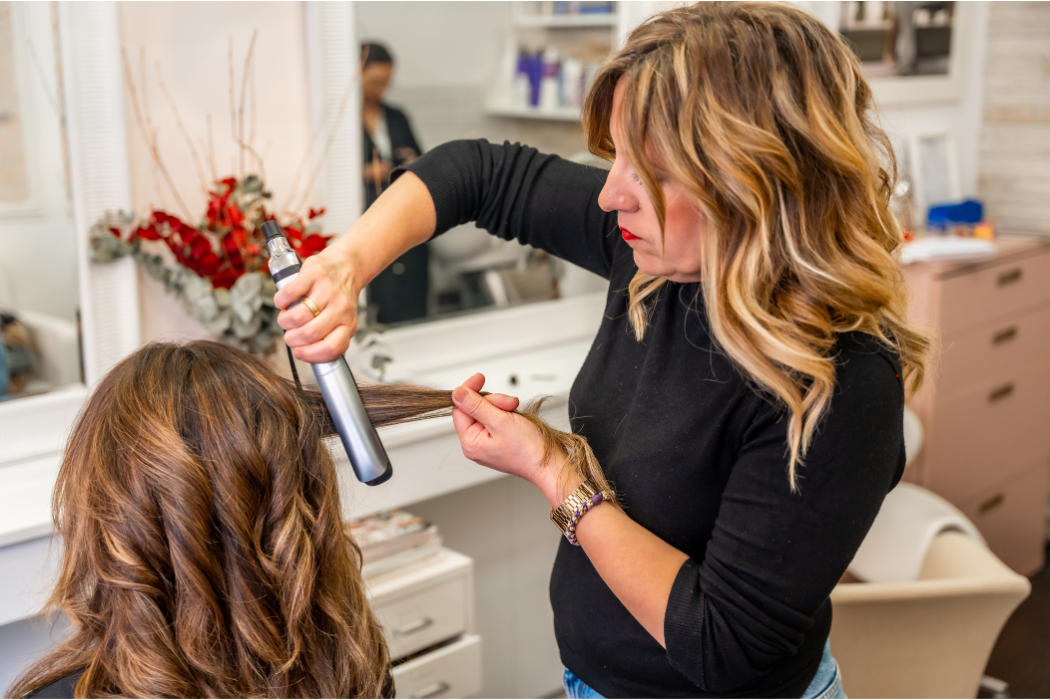
A Hair salon transformation does not need to involve waist-length extensions, platinum color, or a dramatic chop to feel genuinely new.
One of the most wearable beauty trends right now is the soft transformation. Instead of chasing the most extreme before-and-after photograph, the goal is to make strategic changes that improve shape, movement, color, texture, or fullness while still fitting your normal routine.
Think brighter pieces around the face, layers that revive natural movement, a smoother finish, subtle added density, or a refreshed tone that makes existing color look intentional again. The result can be noticeable without feeling unfamiliar.
It is tempting to request a new cut, lighter color, extensions, and a texture service at the same time. However, a better transformation often begins by identifying the one concern that affects you most.
Ask yourself what you would most like to change:
Once the main goal is clear, a stylist can recommend the smallest effective change. That might be a reshaped haircut rather than extensions, a gloss instead of major lightening, or a few strategically placed hair additions rather than an entirely new length.
A haircut can change how much movement, density, and volume the hair appears to have. It is less about following one trending shape and more about placing weight where it is most flattering.
Fine hair may benefit from a stronger perimeter that makes the ends look fuller. Dense hair can feel lighter when bulk is removed selectively. Curly hair may need layers positioned according to shrinkage and curl behavior rather than a formula designed for straight strands.
Arrive with your hair styled the way you normally wear it whenever possible. If you usually air-dry, say so. If you always tuck one side behind your ear, wear glasses, switch your part, or pull your hair into a ponytail for work, those details can influence the design.
The best question is not simply, “Will this cut suit me?” Ask how it will behave without a professional blowout. A wearable transformation should still make sense on an ordinary Tuesday morning.
The American Academy of Dermatology recommends gentle handling, appropriate conditioning, and careful heat use to help reduce avoidable damage. Those habits also make it easier to preserve the shape and finish of a new haircut.
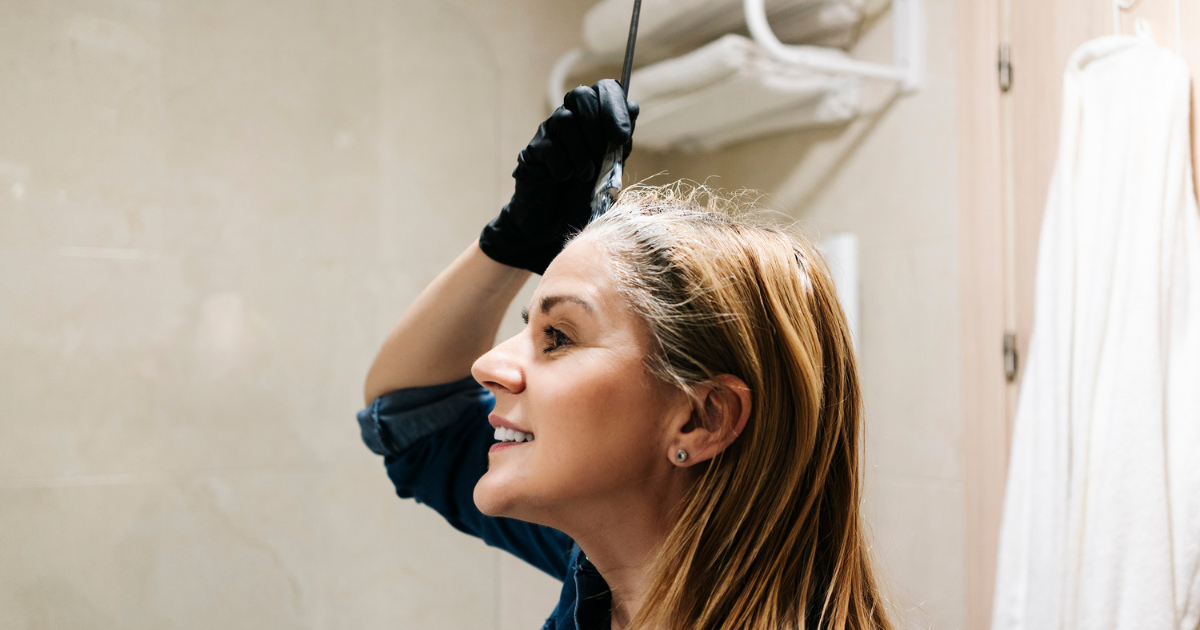
Soft transformation color is all about placement. A few brighter pieces near the face can create more visible impact than lightening every strand. Lowlights can restore depth to over-highlighted hair, while a glaze can adjust tone and increase the appearance of richness.
Popular options include:
Preserving some natural depth can make lighter pieces stand out while producing a less obvious grow-out. This approach is especially useful if you enjoy dimensional color but do not want frequent root maintenance.
More lightening is not automatically better. The American Academy of Dermatology explains that significant lightening can be more damaging than staying closer to the natural shade. If the desired result requires a major shift, several sessions may be more appropriate than forcing the entire transformation into one visit.
Tell your stylist about professional color, box dye, bleach, henna, temporary pigment, root sprays, perms, relaxers, and smoothing services. Even color that seems to have disappeared may affect the next chemical process.
Previous reactions matter too. The U.S. Food and Drug Administration provides guidance about hair-dye safety and possible sensitivities. Disclose any history of burning, swelling, blistering, intense itching, or breathing difficulty before receiving another color service.
A fresh look does not always require changing length or color. Adjusting texture can completely alter how a haircut moves and how much time it takes to style.
Curly perms can add body, wave, or more defined curl to suitable hair. Temporary smoothing services may reduce frizz and make blow-drying easier. Permanent straightening creates a much longer-lasting texture change, but it also requires planning for regrowth and future chemical services.
These categories are not interchangeable. Ask for the exact product or process, the expected change, how long it may last, and what maintenance it requires. You should also discuss compatibility with existing color and chemical history.
The Occupational Safety and Health Administration reports that certain smoothing products may contain or release formaldehyde. Broad labels such as “keratin” or “anti-frizz” do not reveal everything about a formula, so product-specific questions are worth asking.
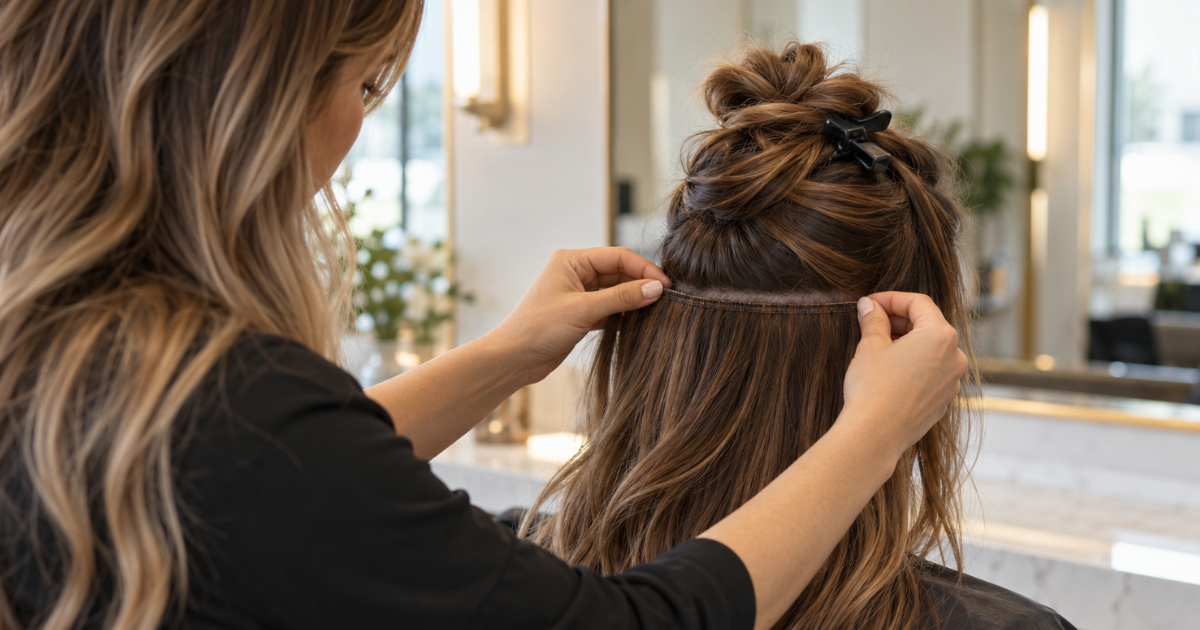
Extensions are often associated with long, glamorous hair, but they can be used much more subtly. A small amount of added hair may strengthen a thin perimeter, fill shorter areas around the face, or introduce color without lightening natural strands.
Wigs and toppers provide other options. A topper is designed to add coverage or fullness over a specific area, while a wig offers broader coverage and can create a complete change in length, color, or texture.
Before choosing any hair addition, discuss:
Comfort should never be treated as optional. The American Academy of Dermatology recommends avoiding excessive tension from extensions and similar styles. Persistent pain, headaches, bumps, or pulling deserve prompt attention.
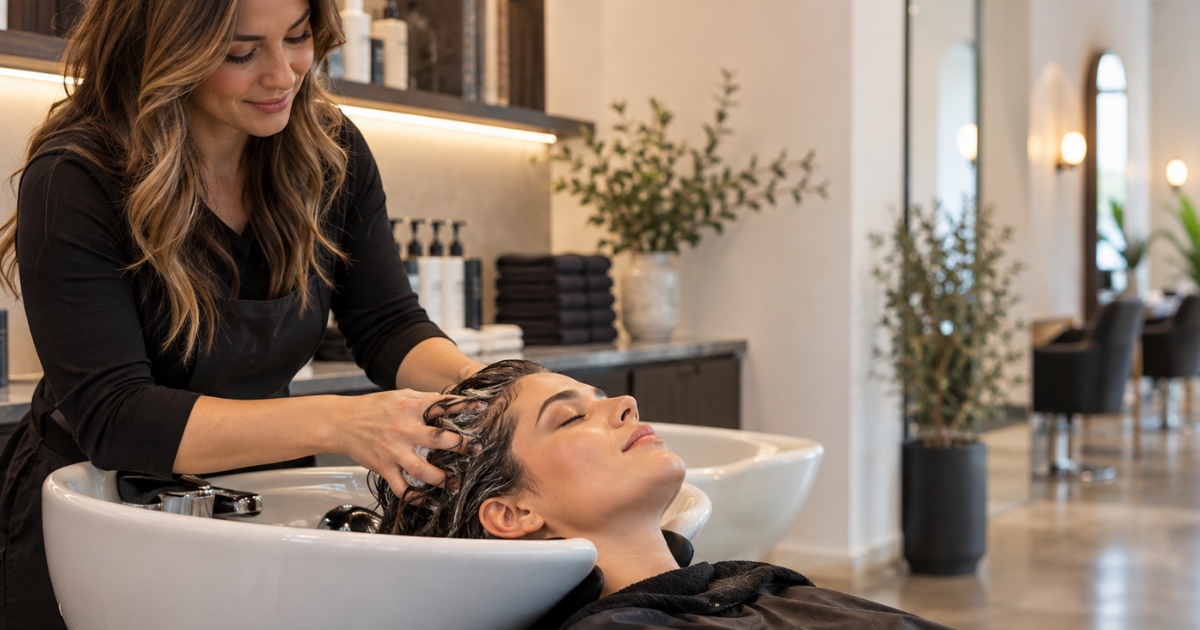
Glossy lengths tend to receive most of the attention, but buildup, oil, dryness, and product habits begin at the scalp. A scalp-focused service can offer cleansing, massage, and a relaxing reset, especially for someone who regularly uses styling products.
Home care should still reflect your individual texture and oil production. Cleveland Clinic explains that appropriate washing frequency varies according to factors such as texture, age, oiliness, and activity. Copying another person’s schedule may leave your scalp uncomfortable or your ends unnecessarily dry.
A spa service also has limits. Sudden shedding, bald patches, sores, persistent pain, drainage, or severe itching may require medical evaluation. The American Academy of Dermatology provides information about hair-loss conditions and signs that deserve professional attention. Cosmetic care should not be used to disguise an unexplained health concern.
Located at 2411 N. Stadium Boulevard in Columbia, Missouri, Hair Therapy Salon & Day Spa offers customized haircuts, color, treatments, temporary smoothing, permanent straightening, curly perms, extensions, human-hair wigs, human-hair toppers, and scalp spa services.
The salon provides a virtual consultation for guests who want help planning a change. Its stylist-matching quiz considers hair needs and personality compatibility, while private consultations are available for clients exploring wigs and toppers.
Those options are especially useful for a soft transformation because they create space to discuss lifestyle, maintenance, comfort, and long-term goals before choosing a service. Missouri consumers can also review professional licensing information through the Missouri Board of Cosmetology and Barber Examiners.
The soft transformation trend works because it is not built around becoming someone else. It uses thoughtful adjustments to make your existing hair feel more flattering, manageable, and expressive. When the plan respects your natural texture, history, comfort, and schedule, even a subtle change can feel surprisingly powerful.