Hair Extensions in Greene: More Volume, Your Way
The best hair extensions in Greene, ME should do more than add inches—they should complement your natural texture, support your styling goals, and fit comfortably…

A Hair salon can help translate the colors, cuts, and styling ideas filling your inspiration feed into a look that suits your actual hair and everyday routine.
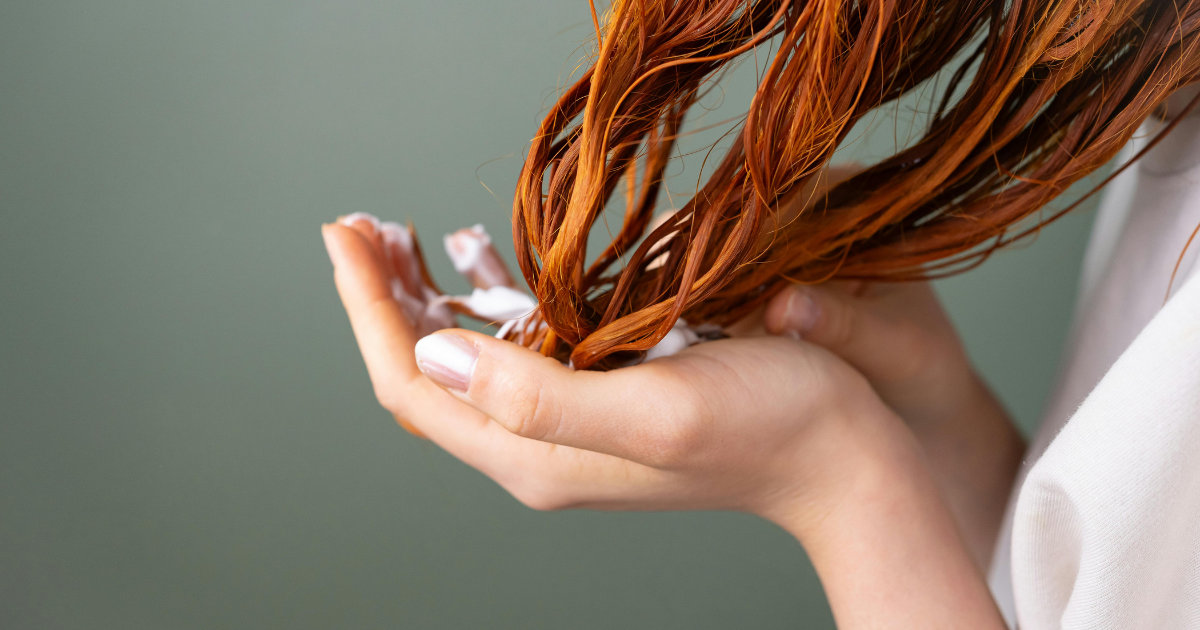
Hair trends are fun because they make change feel possible. A soft copper shade can warm up an entire look. Wispy layers can give long hair new movement. A glossy brunette or carefully blended balayage can appear effortless without feeling boring.
The challenge is that an attractive photo does not reveal the model’s natural texture, color history, extensions, lighting, or styling time. Rather than copying a trend exactly, the smarter approach is to identify what you love about it and adapt those details to your own features, maintenance preferences, and hair condition.
Before requesting a style, study the inspiration image more closely. Is it the color, shape, texture, shine, or overall mood that catches your attention? You may discover that you do not want the entire look. You simply want its bright face-framing pieces, soft movement, or richer tone.
Save several references instead of relying on one perfect image. Include examples of what you like and what you want to avoid. During the consultation, point out specific details such as:
Reference photos are conversation tools, not guaranteed formulas. A thoughtful stylist can use them to understand your taste while explaining how density, texture, previous color, and daily styling may affect the result.
Not every popular style deserves a place in your personal rotation. Before committing, run the idea through four simple filters.
A haircut does not have to follow your natural pattern perfectly, but it should account for how the hair behaves after washing. Ask what the shape will look like when air-dried, diffused, curled, or worn straight.
A high-contrast blonde, vivid fashion color, short fringe, or extension installation may require more frequent professional care than a softly blended color or longer layered cut. Neither option is automatically better. The right one matches the time and budget you genuinely want to invest.
Think about work, exercise, school runs, travel, and how frequently you wear your hair up. A style that looks beautiful only when fully finished may become frustrating if you usually have ten minutes to get ready.
Ask how the cut or color is expected to change over the next several months. A wearable trend should have a clear maintenance plan, including options for refreshing, reshaping, toning, or gradually transitioning to something new.
Color trends range from subtle glosses to major lightening projects. The condition of the starting hair influences which changes are realistic and whether the goal should be completed in one visit or approached gradually.
A scientific review indexed by PubMed explains how shampoos, conditioners, straighteners, and dyes interact with the hair shaft. The useful beauty lesson is that products and chemical services do different jobs, so no single mask or treatment can erase every effect of repeated processing.
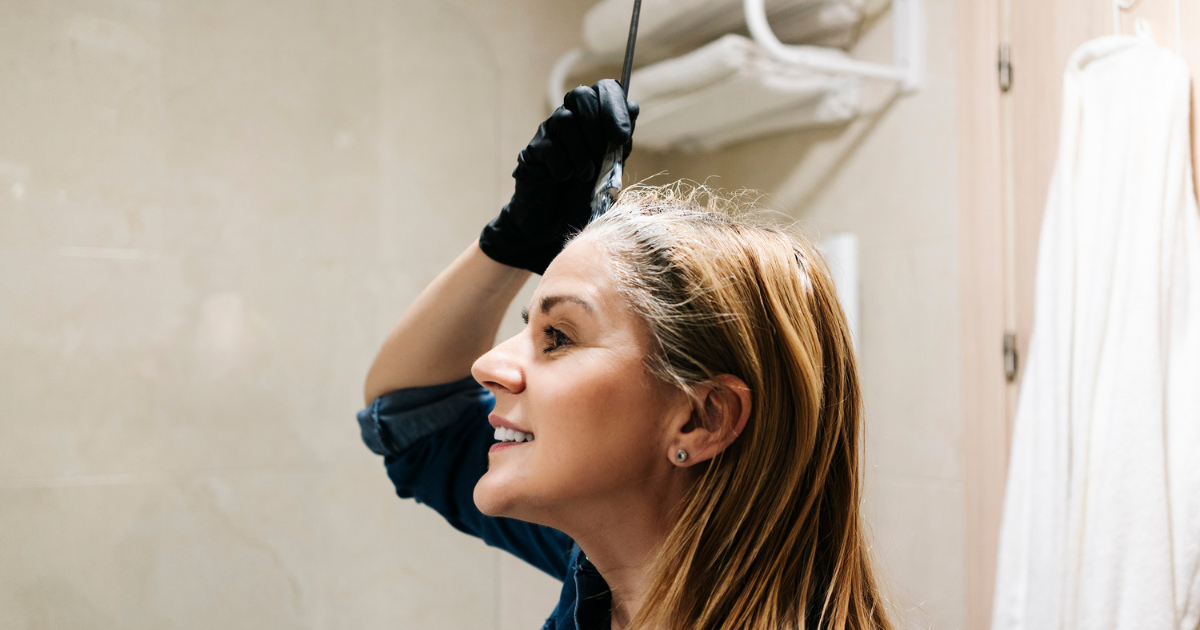
Before a color service, share your complete history, including:
Safety matters too. The U.S. Food and Drug Administration provides precautions for using hair dyes, including following directions and paying attention to possible reactions. Tell the stylist about previous itching, burning, swelling, sores, or breathing problems before another chemical service.
A versatile haircut should support different moods. It might look polished after a blowout, relaxed when air-dried, and intentional when pulled into a simple ponytail. That flexibility is often more valuable than recreating one highly styled photograph.
Ask the stylist to show you two finishing approaches:
Repeated heat and rough handling can affect the way hair looks and feels. The American Academy of Dermatology recommends limiting heat exposure, handling wet hair carefully, and avoiding excessive pulling. A good haircut should make styling easier without demanding unnecessary stress every day.
Hair products work best when each one has a clear purpose. A trend-driven shopping spree can leave you with several products that perform similar jobs or fight against one another.
A simple product wardrobe might include:
Washing frequency is personal rather than universal. Cleveland Clinic notes that hair type, scalp oil, length, age, and texture can influence how often shampooing is appropriate. Instead of following a viral schedule, pay attention to scalp comfort, buildup, activity level, and how the hair responds.
When comparing product claims, remember that terms such as “clean,” “natural,” and “professional” do not tell the entire story. The FDA explains how cosmetic labeling claims are regulated. Ingredient labels and specific usage instructions are generally more useful than an attractive marketing phrase.
Smoothing services can reduce styling time or change how hair reacts to humidity, but names such as keratin treatment, straightening service, and frizz treatment do not identify one standardized process.
Ask for the exact service and product name, the expected change in texture, the heat involved, compatibility with existing color, and any aftercare restrictions. The Occupational Safety and Health Administration warns that some smoothing products may contain or release formaldehyde, including certain products marketed with reassuring language. Product-specific information matters more than the category name.
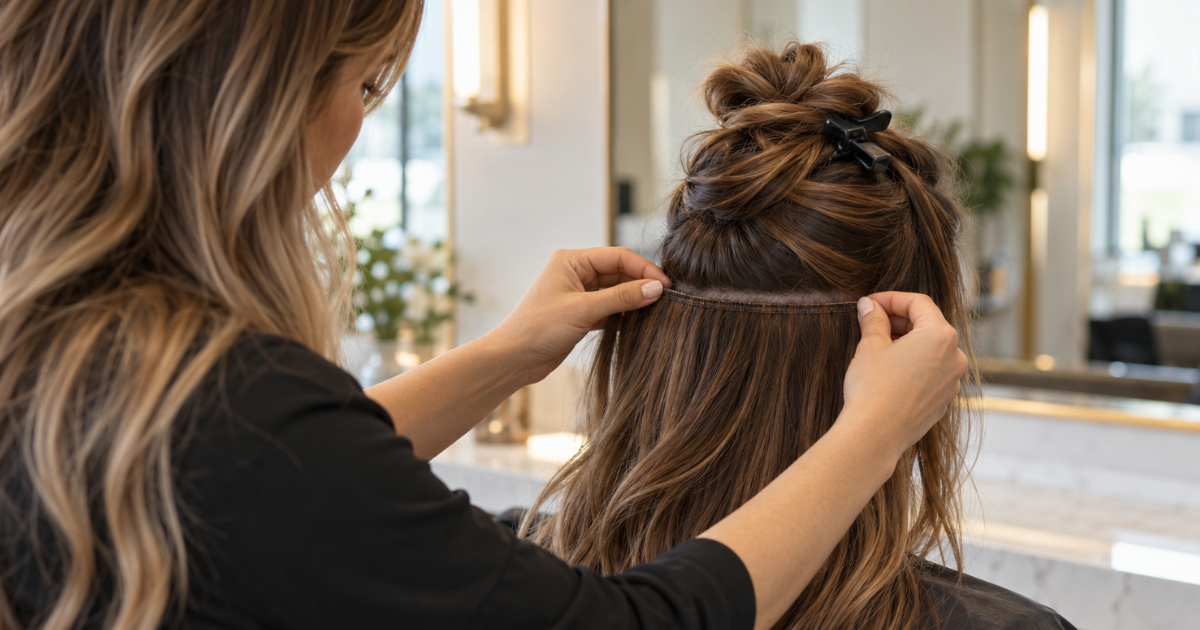
Extensions are not only for dramatic length. They can add fullness through the sides, create a stronger perimeter, introduce temporary color, or support a special-event style. The most natural result often comes from choosing the amount and method that solve a specific concern.
Discuss attachment type, weight, placement, blending, home care, adjustment frequency, removal, and total maintenance before proceeding. Comfort should remain a priority. The American Academy of Dermatology advises taking precautions to reduce extension-related damage. Persistent tightness, pain, headaches, or scalp irritation should not be treated as normal.
Located at 797 Jackson Street in Locust Grove, Georgia, Hair Smithsonian offers precision haircuts, custom color, blonding, balayage, glossing, conditioning treatments, and hair extensions.
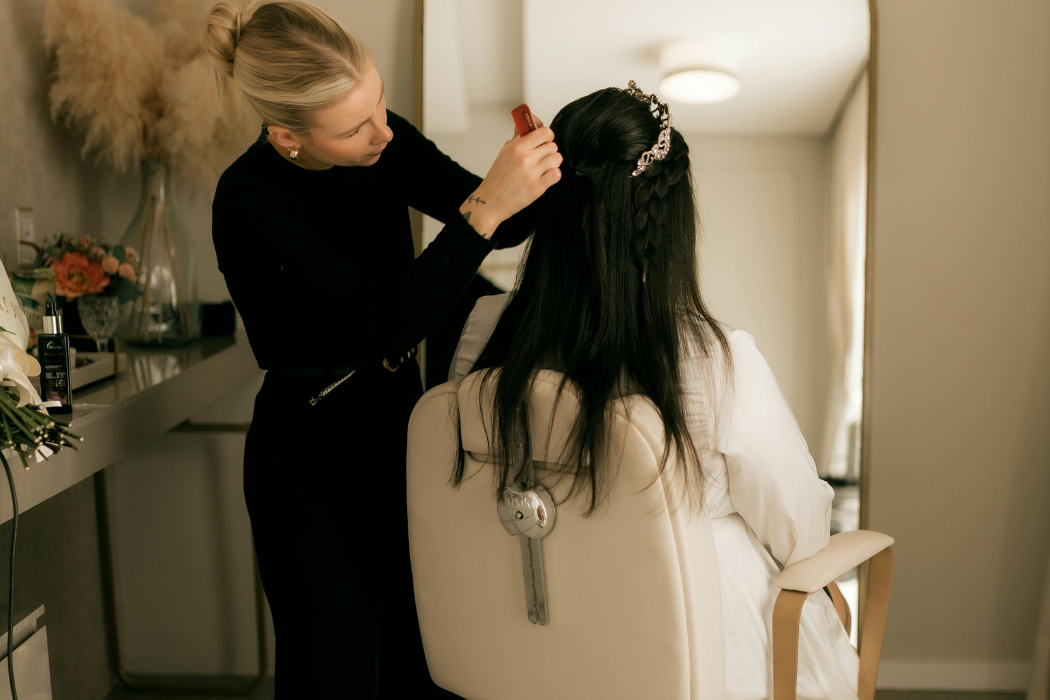
The salon’s public information emphasizes personalized results based on hair type, lifestyle, and individual goals. Its extension options include tape-in, hand-tied, and halo methods, giving clients different ways to explore length and volume. Bridal hair and makeup services are also available for clients who want an event look designed around their personal style.
Hair Smithsonian serves Locust Grove, McDonough, Heron Bay, and surrounding Henry County communities. Consumers who want to review professional licensing information can use the Georgia State Board of Cosmetology and Barbers.
The best hair trends are not the ones followed most literally. They are the ones translated with enough care that they feel fresh, flattering, and unmistakably personal. When inspiration is balanced with texture, condition, maintenance, and lifestyle, a trend becomes more than a temporary look. It becomes part of your signature style.