Hair Extensions in Greene: More Volume, Your Way
The best hair extensions in Greene, ME should do more than add inches—they should complement your natural texture, support your styling goals, and fit comfortably…

A Hair Salon can help turn scattered inspiration into a signature look that suits your features, texture, wardrobe, and daily routine.
Hair trends are fun, but following every new bob, blonde, fringe, or finish can leave you feeling less like yourself. A stronger approach is to create a recognizable beauty language, then borrow selected details from current trends.
Think of signature hair as a favorite outfit formula. The individual pieces may change with the season, but the overall effect remains unmistakably yours. Building that formula begins with three elements: a flattering base, an expressive accent, and a realistic finish.
Before collecting more inspiration photographs, write a short description of how you want your hair to feel. Words such as polished, romantic, effortless, bold, soft, artistic, or classic often provide more useful direction than a single trend name.
Your brief should also include practical information:
That last point is surprisingly helpful. Knowing that you dislike blunt ends, heavy layers, warm blonde, visible roots, or excessive volume can clarify your direction just as effectively as a photograph you love.
The base is the part that remains relatively consistent. It may be a long layered silhouette, a polished bob, a curly shape, a dimensional brunette, or a particular type of fringe.
A haircut establishes proportion, movement, and visual weight. Length affects how the hair relates to the face, neck, shoulders, and clothing. Layers can create movement or reduce bulk, while a stronger perimeter can make fine hair appear fuller.
Instead of asking whether a particular cut is universally flattering, consider how its design will interact with your hair:
A signature cut should look intentional on ordinary days, not only after a professional blowout.
Color can become another consistent part of your identity. You might prefer luminous face framing, deep brunette dimension, copper warmth, cool ribbons, or bright fashion shades.
The goal is not to select one permanent shade forever. It is to identify a color family and contrast level that feel natural to your style. A dimensional brunette can become warmer in autumn, while a blended blonde can become brighter in summer without requiring a complete reinvention.
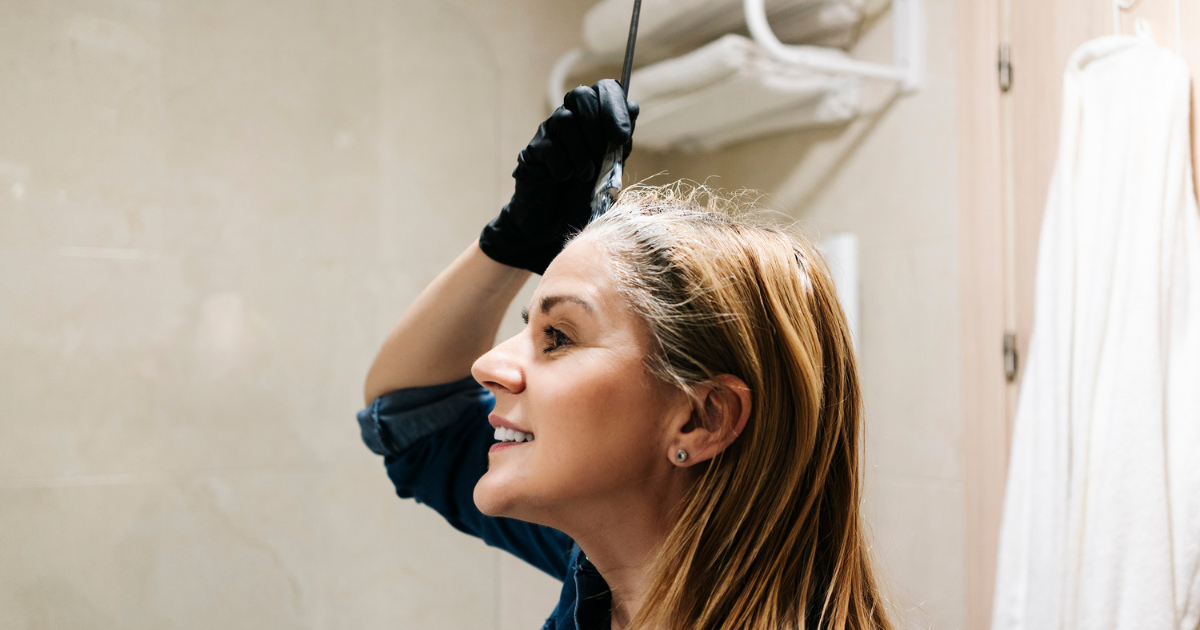
Previous color history must be part of the plan. The U.S. Food and Drug Administration provides consumer guidance about hair dyes, including information about allergic reactions and product precautions. Tell your stylist about professional color, box dye, lightener, henna, and any earlier sensitivity.
An accent is the element that makes the base feel current. It can be changed more easily than the entire design.
Possible accents include:
The one-accent approach prevents several strong ideas from competing. A dramatic fringe, high-contrast color, major length change, and unfamiliar texture can be difficult to evaluate when introduced simultaneously. Changing one feature at a time also makes it easier to discover what genuinely belongs in your signature look.
Inspiration photographs show finished results, not the chemical and styling history behind them. Two people with similar-looking hair may have different levels of porosity, strength, density, or previous processing.
A scientific review available through the National Library of Medicine explains how cosmetic procedures can affect the hair shaft. Because the visible fiber does not heal like living skin, its existing condition matters when planning lightening, chemical texture changes, or repeated heat styling.
Healthy-looking hair also depends on everyday handling. The American Academy of Dermatology recommends using heat carefully, conditioning after washing, and handling wet hair gently.
Before approving a major transformation, ask your stylist:
The finish is how the haircut and color are styled from day to day. A sleek, glassy bob communicates something different from the same shape worn with airy texture. Long layers can feel glamorous with a round-brush finish or relaxed when air-dried.
Ask for a styling demonstration that covers product amount, section size, tool direction, and heat setting. If the salon result requires four tools and forty minutes, but you normally spend ten minutes styling, request a simplified version before leaving.
A useful signature finish should have at least two settings:
This gives you consistency without making your hair feel repetitive.
Smoothing and keratin services can change styling time, frizz, movement, and the appearance of natural texture. However, service names alone do not reveal the formula or expected effect.
Ask what product will be used, how much texture change to expect, what heat is involved, how the result grows out, and whether it is compatible with your existing color. The Occupational Safety and Health Administration explains that some smoothing products may contain or release formaldehyde, making product-specific information important.
A texture service should support your signature look because you understand its process, not simply because smoothing is currently fashionable.
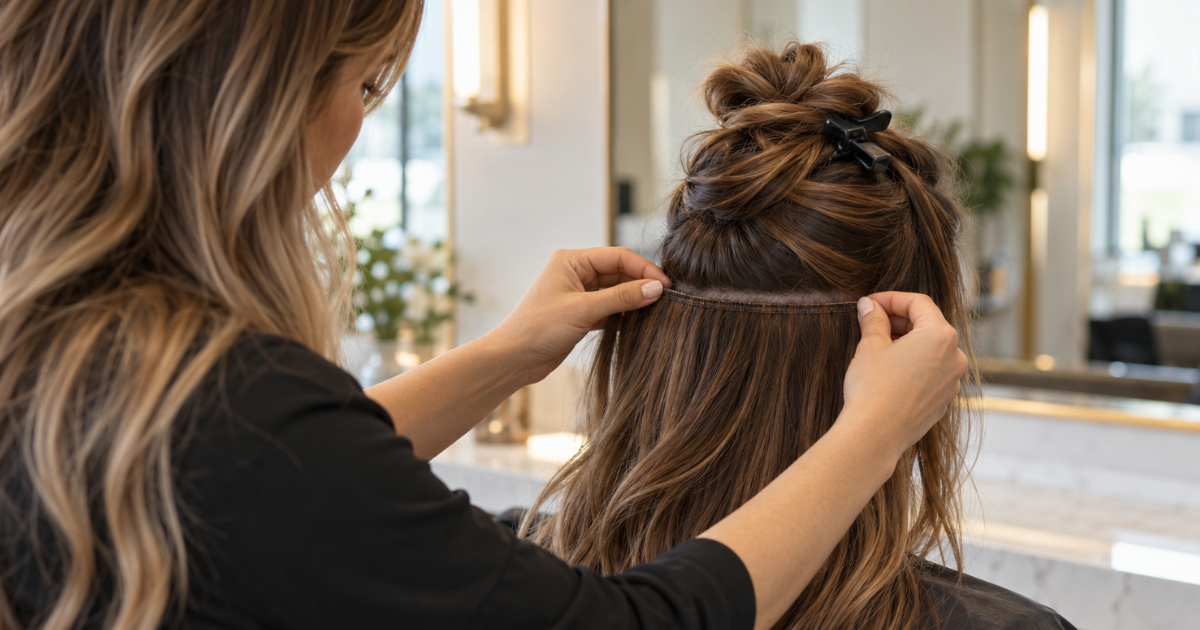
Extensions are often associated with dramatic length, but they can also add density around the sides, strengthen a haircut’s perimeter, introduce color without lightening, or make certain styles easier to create.
The method and amount of added hair should suit the natural hair’s condition and density. Installation is only part of the commitment. Brushing, washing, drying, adjustments, and professional removal should all be discussed beforehand.
Comfort matters from the beginning. The American Academy of Dermatology advises that extensions should not cause pain or headaches. Persistent tightness, soreness, or irritation deserves prompt attention.
A signature routine does not require a crowded shelf. It needs a few products with clearly defined jobs.
Consider building a four-part product wardrobe:
Ask which recommendations are essential and which are optional. A product earns its place when you understand how much to use, where to apply it, and what visible difference it should make.
Bella Fiore Salon in Loganville, Georgia, offers cuts and styles, customized color, treatments, and hair extensions. Its color services include balayage, all-over color, bleach and tone, and several highlighting options, while its extension menu includes hand-tied, tape-in, and halo methods.
The salon encourages first-time guests to complete a virtual consultation that helps match them with an appropriate stylist. That approach can be particularly useful when someone wants lived-in blonde, vivid color, a pixie cut, extensions, or another service that benefits from a provider with aligned experience.
Bella Fiore also explains that its stylists consider the guest’s goals, hair type, condition, and lifestyle during consultation. The salon serves Loganville and surrounding communities in Walton and Gwinnett counties.
Consumers interested in professional requirements can review information from the Georgia State Board of Cosmetology and Barbers and use the state’s professional license search.
Before adopting a new idea, ask five questions:
A signature look should never prevent experimentation. It simply gives experimentation a direction. When your base, accent, and finish work together, trends become creative options instead of instructions. The result is hair that feels current, recognizable, and genuinely connected to the person wearing it.